Ticket
US$5adults 18+
US$3ages 10 to 17
Freeunder 10
Prices are the museum's own for foreign visitors; children need ID. Cash only, riel or dollars, at the booth by the gate.
Home › Phnom Penh › Tuol Sleng
Phnom Penh · the former S-21 prison
A hard visit, and one to make with time in hand. Entry is US$5; one guide says allow 1.5 to 2 hours, closer to 3 with the audio guide.
By Laura Brennan · updated
How long
One guide says at least 1.5 to 2 hours, and closer to 3 hours with the audio guide. Do not squeeze it between other plans.
TimingAudio guide
It comes in 11 languages, English included, and one guide highly recommends it. Price: US$3 or US$5, depending on the source.
Audio guideChildren
The museum says its exhibits may not be appropriate for visitors aged 14 and younger. Skip it if a child in your group is likely to be distressed.
Rules for visitorsPair it with
The prison and the execution site belong to the same story. Choeung Ek lies 15 to 17 km from the city, depending on the source.
Choeung Ek8:00 AM
Arrive at opening, buy your ticket at the booth, cash in hand.
Mid-morning
On a weekday, catch the 10:00 AM documentary in Building E, then sit a while in the White Lotus Room.
Afternoon
Ride out to Choeung Ek, then back to the city. One guide lists its hours as 7:30 to 17:30; other sources give 8:00 to 17:00, so check before you go.
Swipe or use the arrows.
 1/4
 2/4
 3/4
 4/4
Bring cash and covered clothes. Tickets are sold only at the entrance booth, in riel or US dollars.
Prices are the museum's own for foreign visitors; children need ID. Cash only, riel or dollars, at the booth by the gate.
Legs and arms covered
The museum asks for clothing that befits a memorial site and for solemnity and respect on the grounds.
Allowed
Not allowed
The Ministry of Tourism lists the entry at US$5 for adults, US$3 for children aged 8 to 10 and free under 10. The museum's own children's band, ages 10 to 17, is the one shown above, so check the age rule at the booth if it matters to you.
It comes in 11 languages including English; one guide highly recommends it.
The museum prices the audio guide at US$5 for non-Cambodians; the Ministry of Tourism says US$3 per person. One guide calls the audio guide highly recommended.
Prefer a person? Guides on site speak Khmer and English and work for a contribution rather than a fixed fee.
What you will see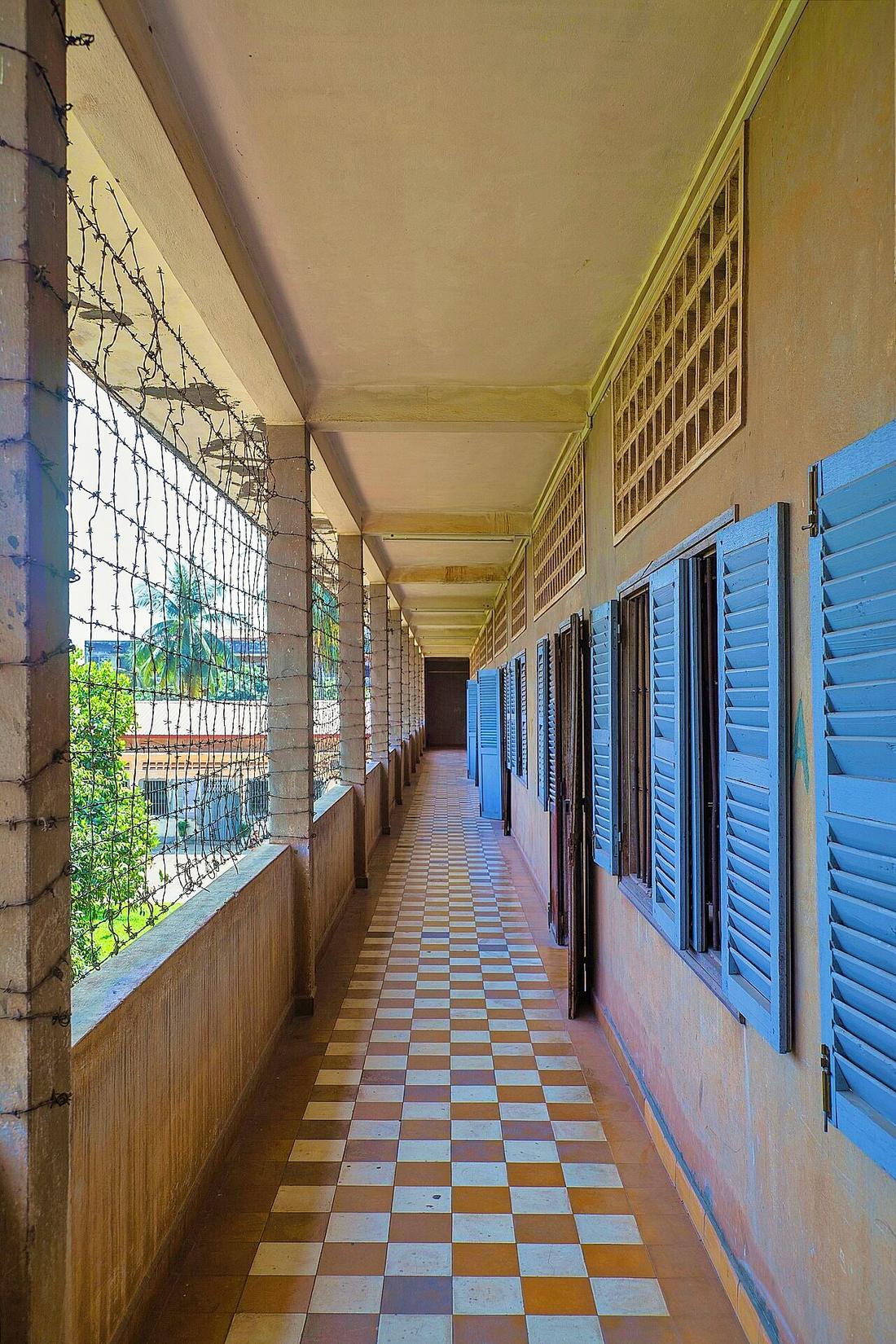
Timing
Open every day, 8:00 AM to 5:00 PM. Go early, on a weekday if you want a film, and leave the afternoon for Choeung Ek.
An early start leaves room for the audio guide's full length and an unhurried exit.
Short films play in Building E on weekdays only; plan a weekend visit without them.
A quiet room where visitors can sit in silence, useful before the ride to Choeung Ek.
Weekends have no screenings, so a Saturday or Sunday visit means the audio guide, the buildings and the memorial. If Choeung Ek really opens early, the order can also run the other way round: the execution site first, the prison after.
The museum and the Ministry of Tourism both list 8:00 am to 5:00 pm, every day. Choeung Ek hours differ by source: one guide lists 7:30 to 17:30, other sources give 8:00 to 17:00, so check before you go and plan the order from there.
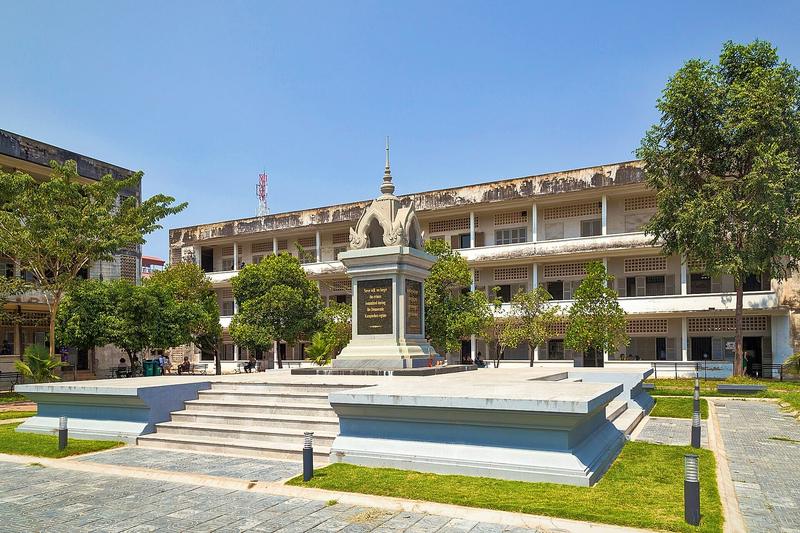
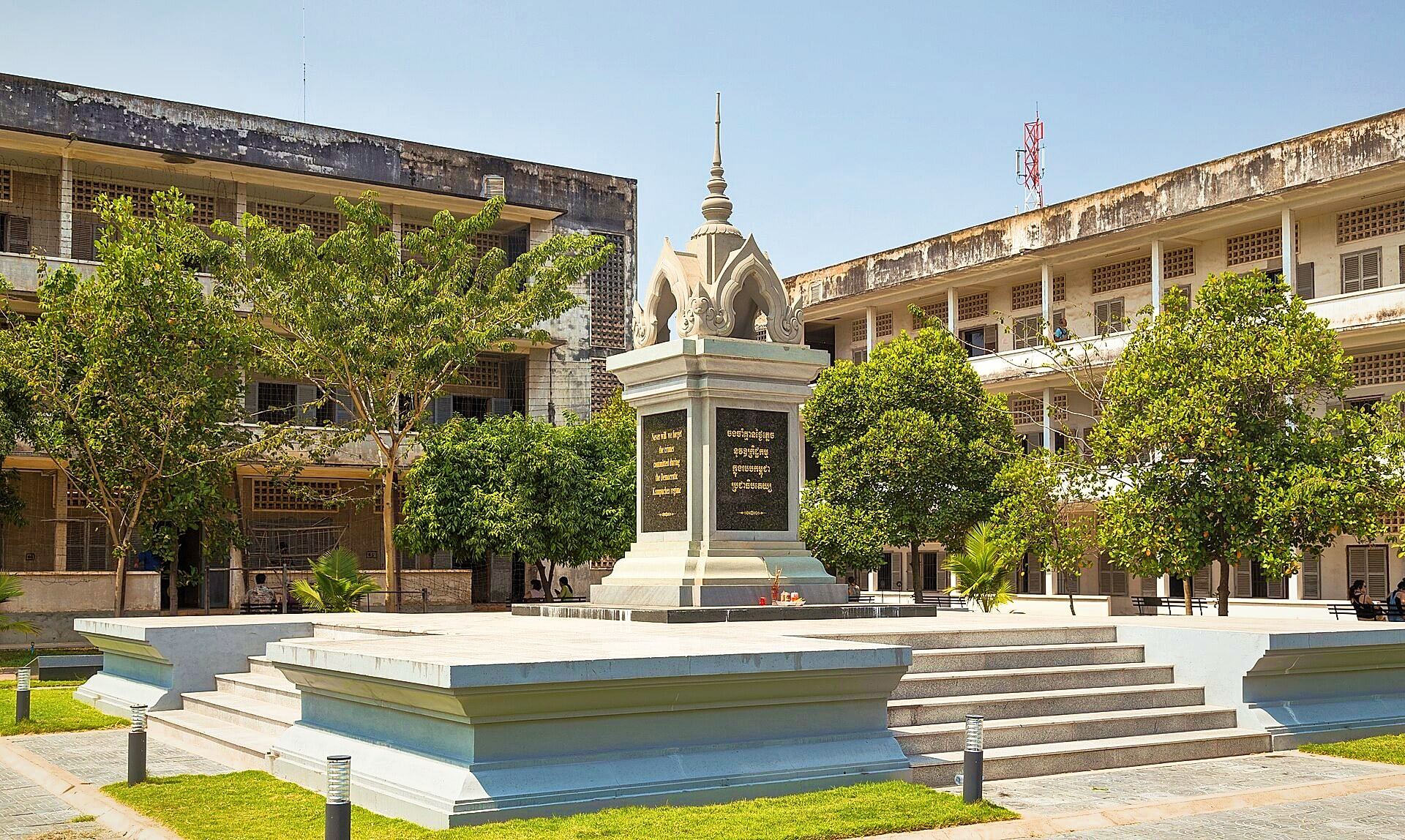
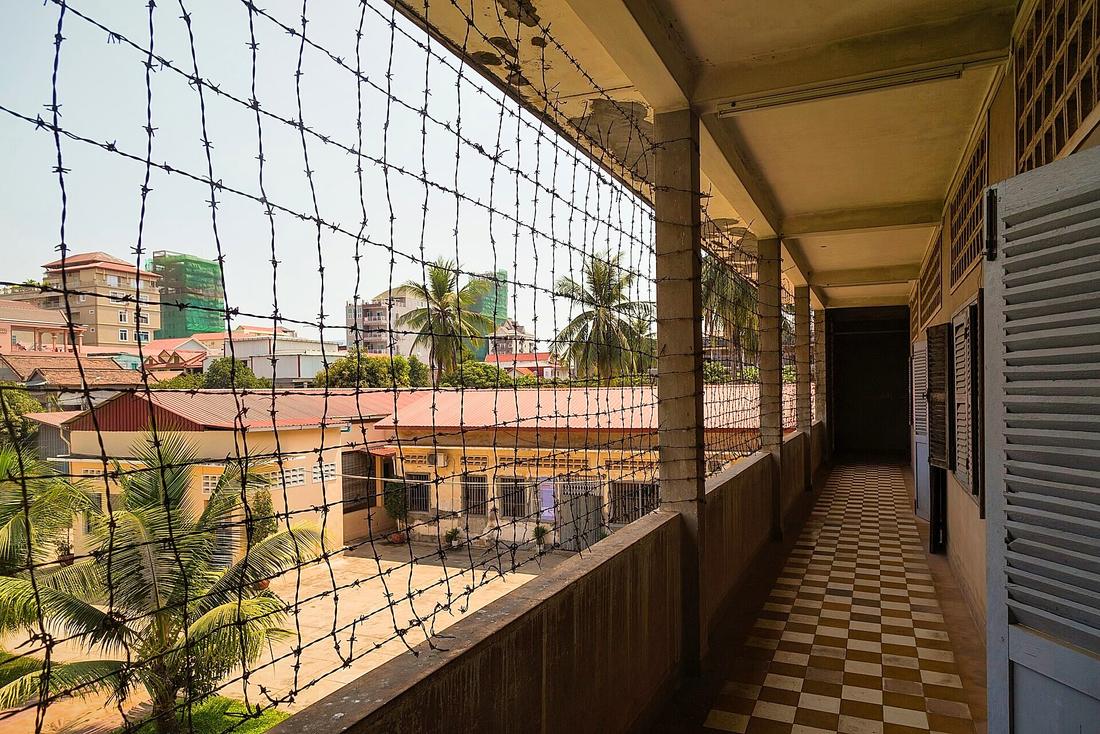
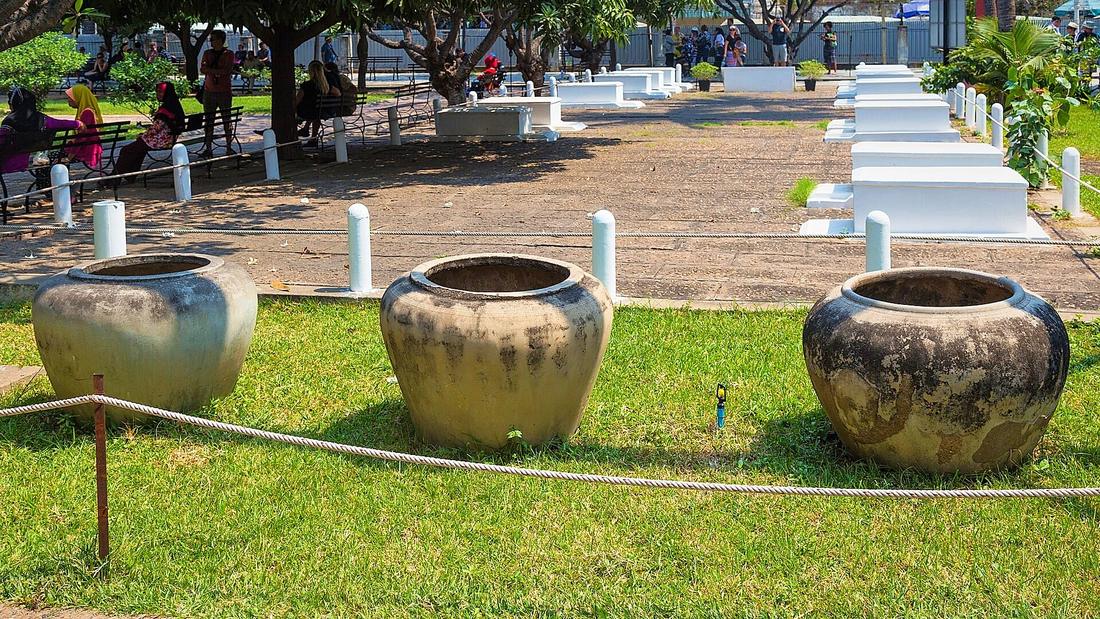
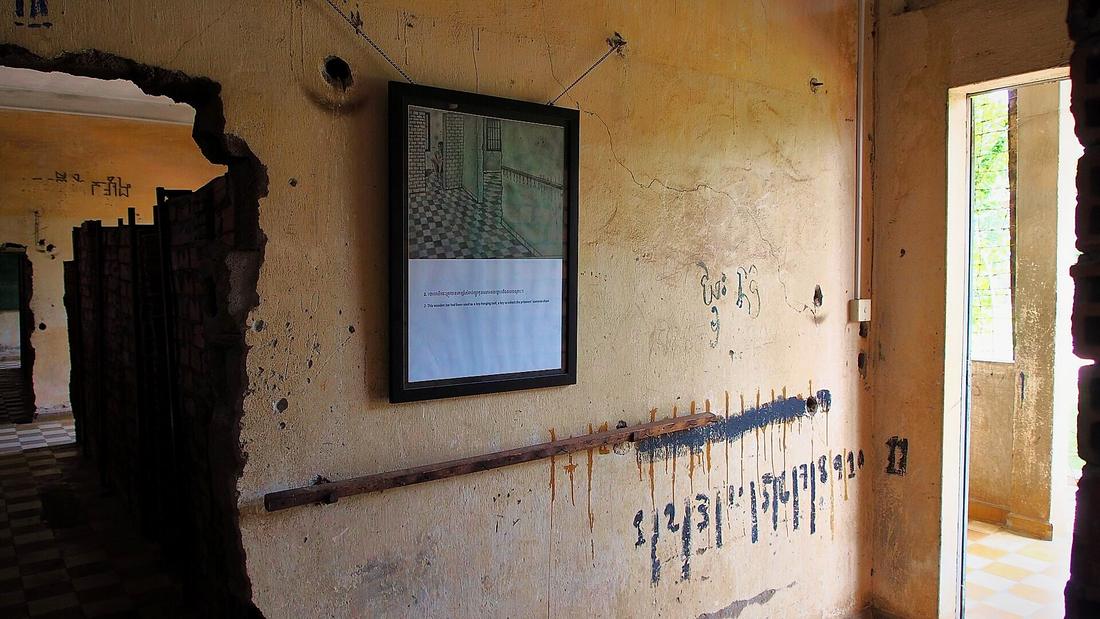
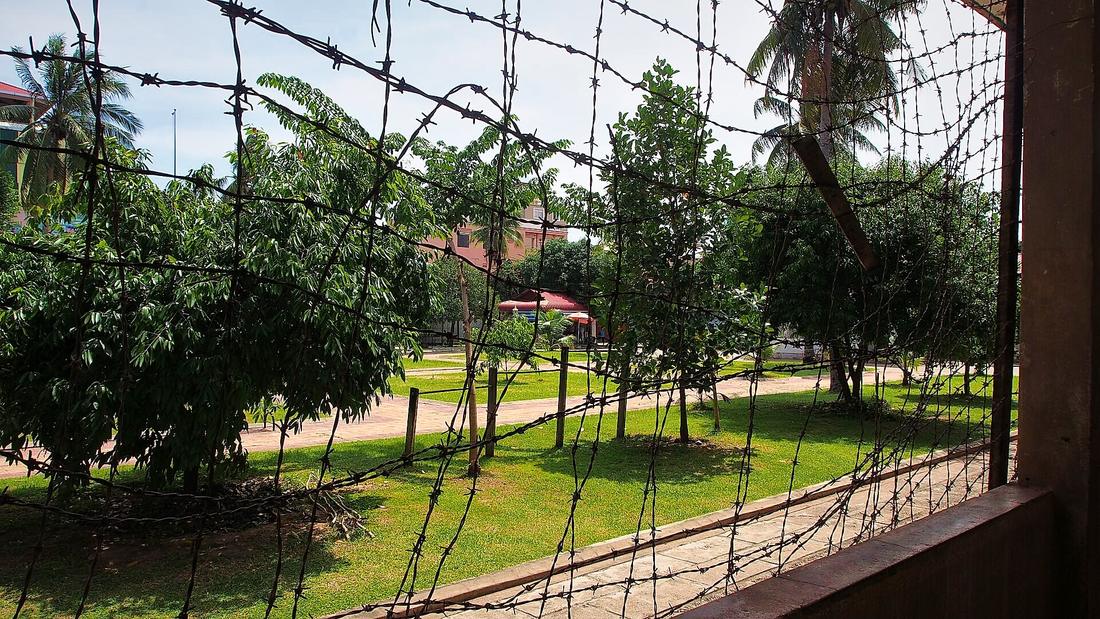
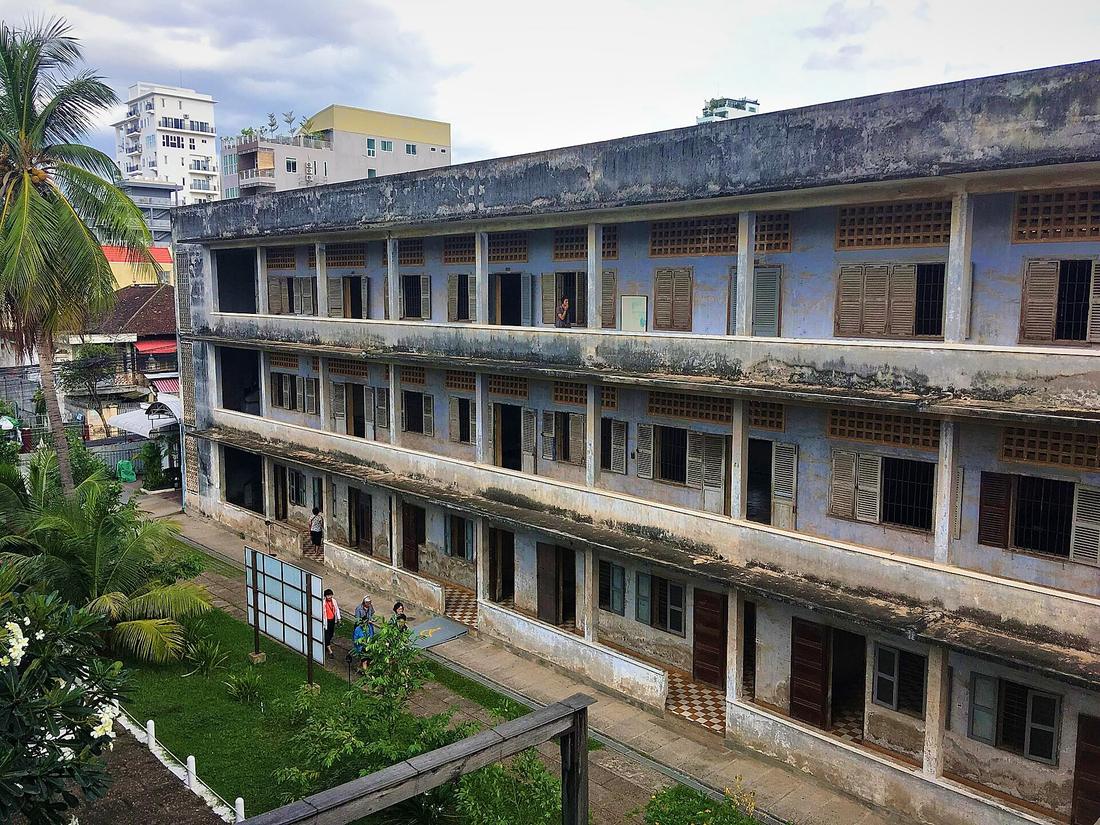
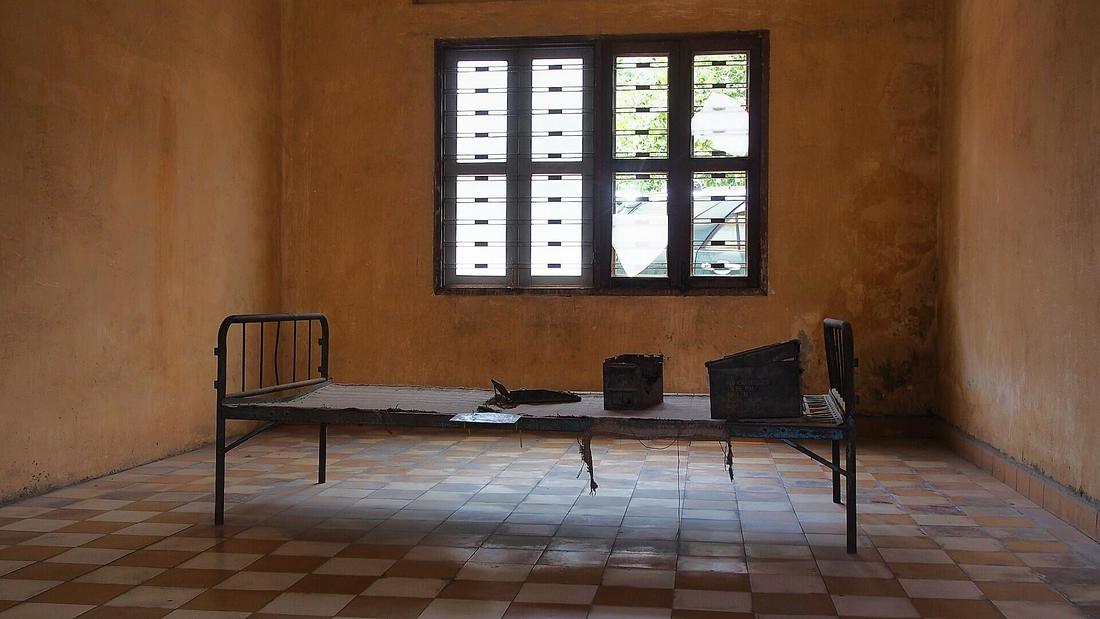
A 1962 school turned into a prison: cells built into classrooms, a film room, a quiet room, a memorial and the archive.
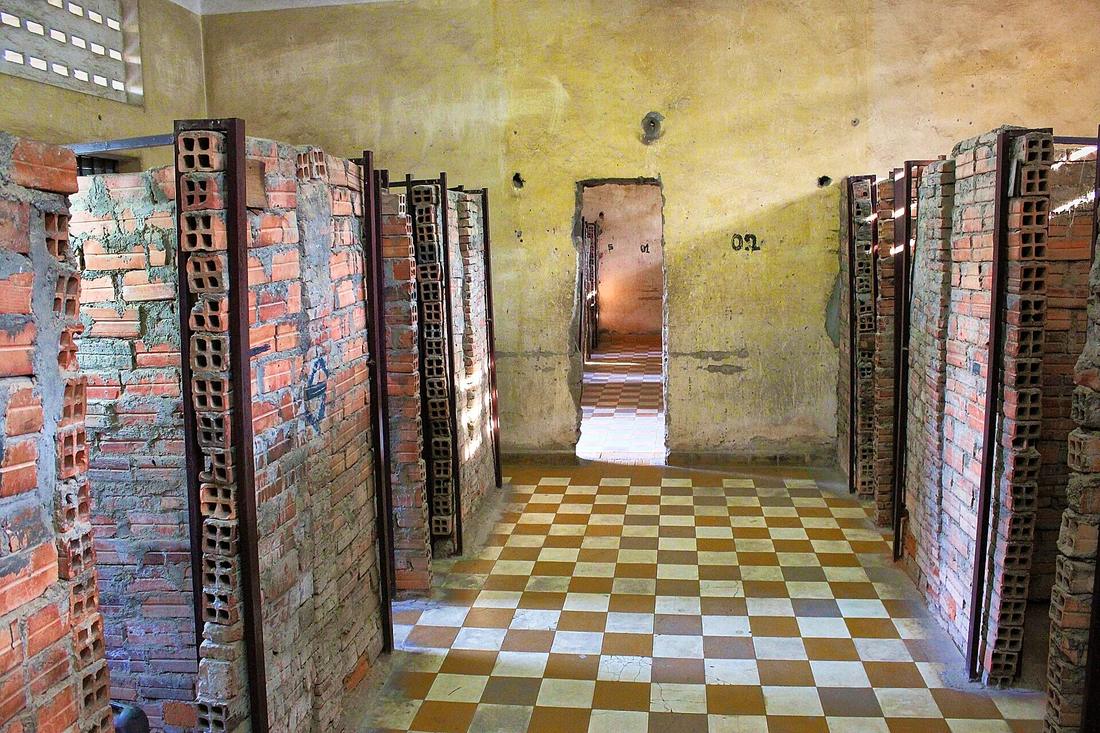
How to prepare: S-21 was the largest centre of detention and torture in Cambodia, and about 1,720 Khmer Rouge personnel worked in and for it. If the Khmer Rouge years are new to you, read the history below before you go; the rooms are easier to follow with the context in your head.
The entrance is on Street 113, at the corner of Street 350. For where to stay and eat, see the Phnom Penh guide.
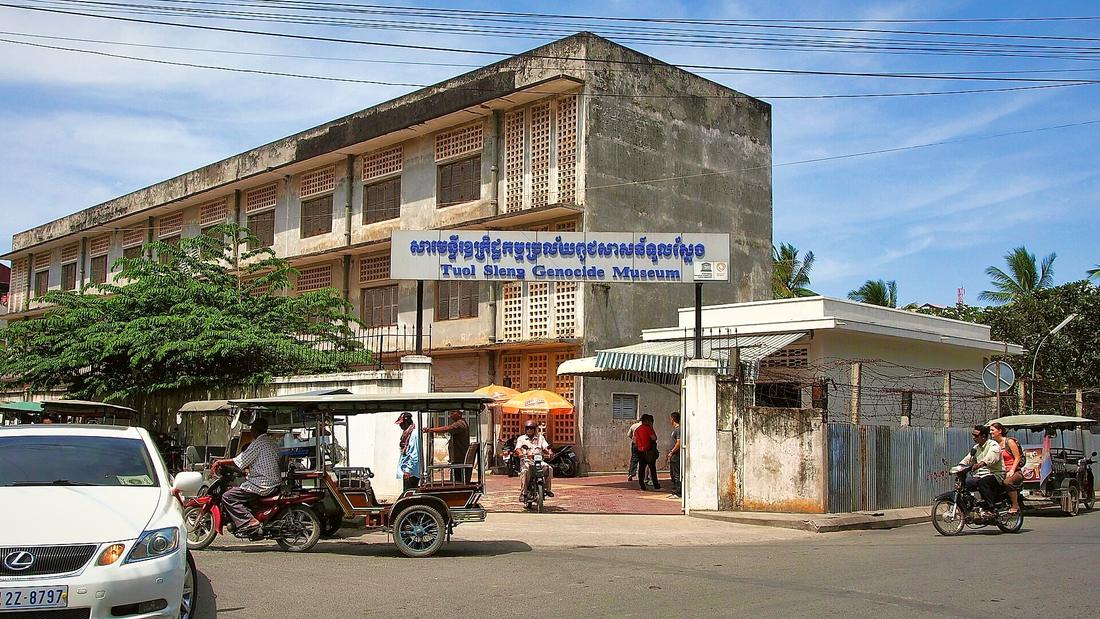
One guide puts a tuk-tuk round trip with the driver waiting at about US$15, and a taxi at US$25. Agree the stops and the price before you set off.
Choeung Ek guideA high school. The museum says 15,000 to 20,000 people were imprisoned at S-21 between 1975 and 1979; the war-crimes court found that at least 11,742 were executed.
Built as Preah Ponhea Yat High School, later renamed Tuol Svay Prey.
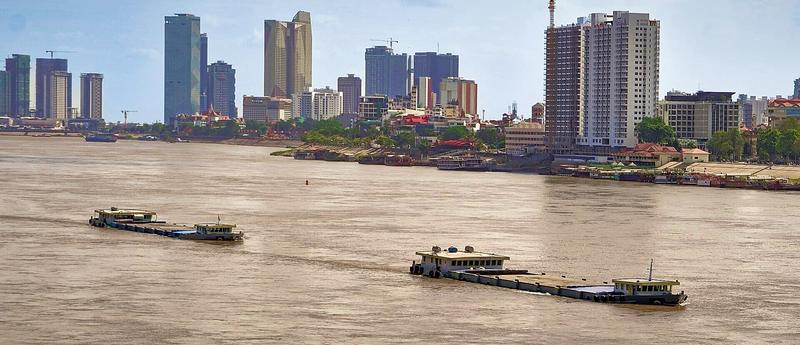
The museum describes Phnom Penh as an abandoned city once its people had been evacuated.
The school became S-21, the largest centre of detention and torture in Cambodia.
In Lun (alias Nath) was the first chief; Duch followed in 1976.
The Ministry of Tourism says S-21 claimed an average of about 100 victims a day at this point.
S-21 became the Tuol Sleng Genocide Museum soon after the capital was taken.
According to news reports, Tuol Sleng, Choeung Ek and M-13 were inscribed together as Cambodian Memorial Sites: From Centres of Repression to Places of Peace and Reflection.
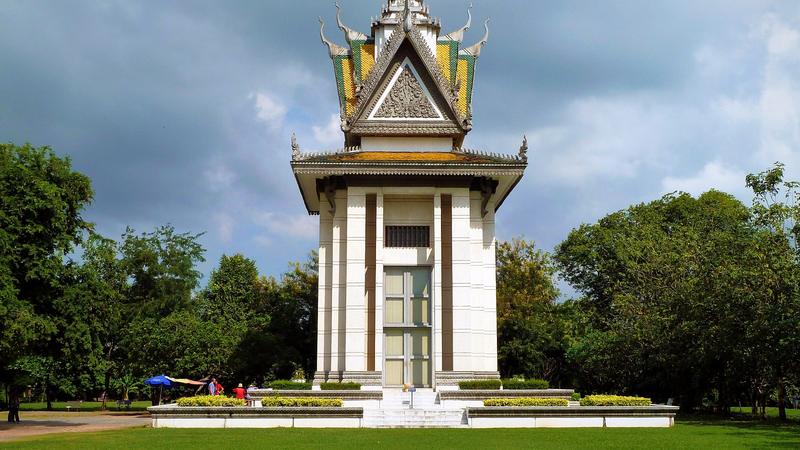
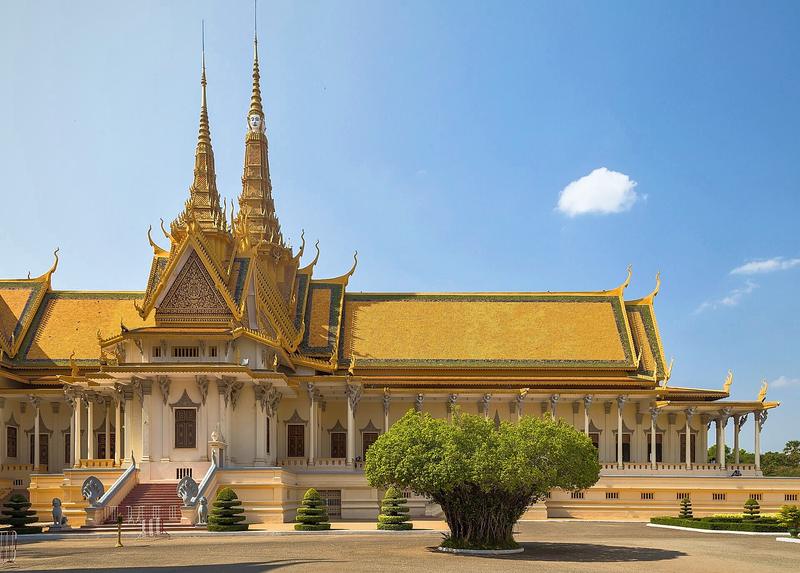
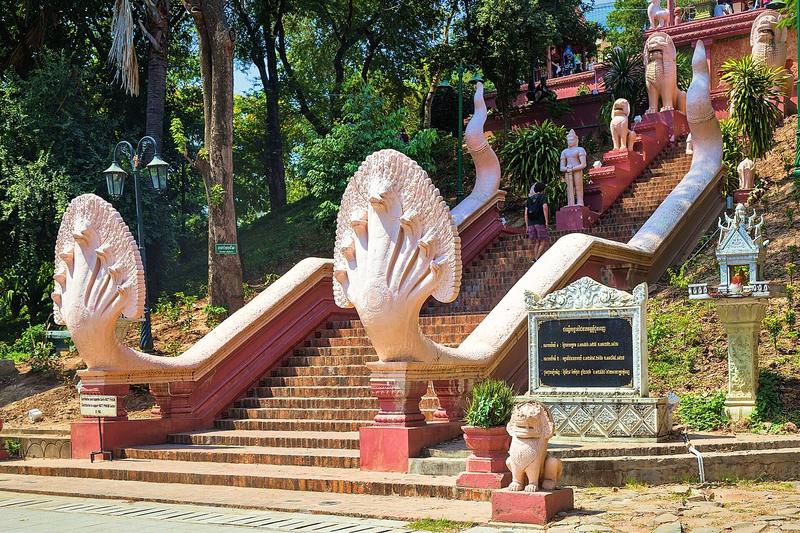
Choeung Ek completes the S-21 story. The palace, Wat Phnom and the wider city make a change of pace.
The museum charges foreign adults (18+) US$5. Foreign children aged 10 to 17 pay US$3 with ID, and under 10s go free. Pay in cash, riel or US dollars, at the entrance booth: tickets are not sold anywhere else.
Every day, 8:00 am to 5:00 pm (museum and Ministry of Tourism). Short documentaries run Monday to Friday at 10:00 am and 3:00 pm in Building E.
One guide says plan at least 1.5 to 2 hours, and closer to 3 hours if you take the audio guide.
The museum says its exhibits may not be appropriate for visitors aged 14 and younger. One guide notes there is no minimum age, so parents decide based on the child's age and sensitivity.
Yes, for personal, non-commercial or research use. Mobile phones may not be used inside the exhibition buildings.
Yes. Cover your legs and arms, and behave with the solemnity and respect a memorial site asks for. Food, alcohol, smoking and e-cigarettes are banned on the grounds.
Yes. Choeung Ek is 15 to 17 km from the city, depending on the source. One guide lists its hours as 7:30 to 17:30, while other sources give 8:00 to 17:00, so check before you go. One guide puts a tuk-tuk round trip with the driver waiting at about US$15, and a taxi at US$25.
Partly. Ground floors are wheelchair-accessible; upper floors are reached by stairs only.
A Khmer Rouge security prison set up in 1975 in the former Tuol Svay Prey High School. The museum says 15,000 to 20,000 people were imprisoned there between 1975 and 1979. It became the Tuol Sleng Genocide Museum soon after the capital was taken in 1979.