The Khmer Rouge and the Cambodian genocide: history and memorials
From 17 April 1975 to 7 January 1979 the Khmer Rouge ruled Cambodia, and an estimated 1.5 to 3 million people died; sources differ. A UN-backed court found genocide against the ethnic Vietnamese and genocidal intent toward the Cham at two sites. You can visit Tuol Sleng and Choeung Ek in Phnom Penh.
Covers mass killing; photos show places, not victims. Skip to visiting
A communist movement that ruled Cambodia as Democratic Kampuchea, aiming at a classless, moneyless farming state.
What it did
Emptied Phnom Penh within days, banned money, markets and Buddhism, and forced people into labour collectives.
How many died
An estimated 1.5 to 3 million; sources differ, and no reliable records survive. AP puts it at about 1.7 million, about a quarter of the population.
What the court found
Genocide of the ethnic Vietnamese, genocidal intent toward the Cham at two sites, plus crimes against humanity and war crimes.
Places that hold this history
Tuol Sleng and Choeung Ek in Phnom Penh; Phnom Sampeau, about 11 km southwest of Battambang. Swipe or use the arrows.
1/6Courtyard seen through wire
2/6Lawn and memorial graves
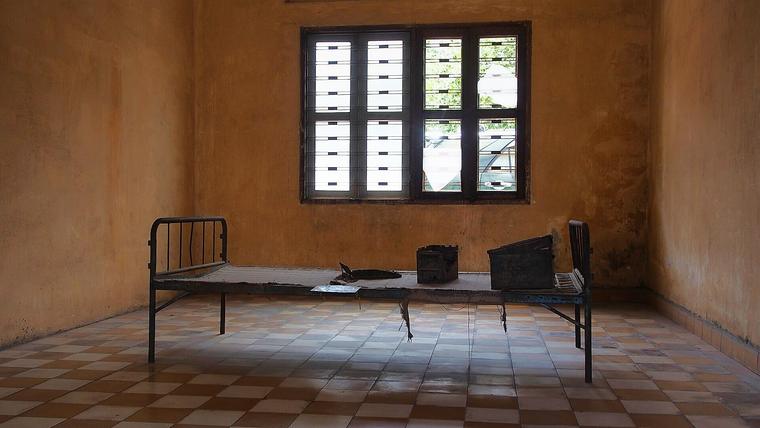
3/6Former school building
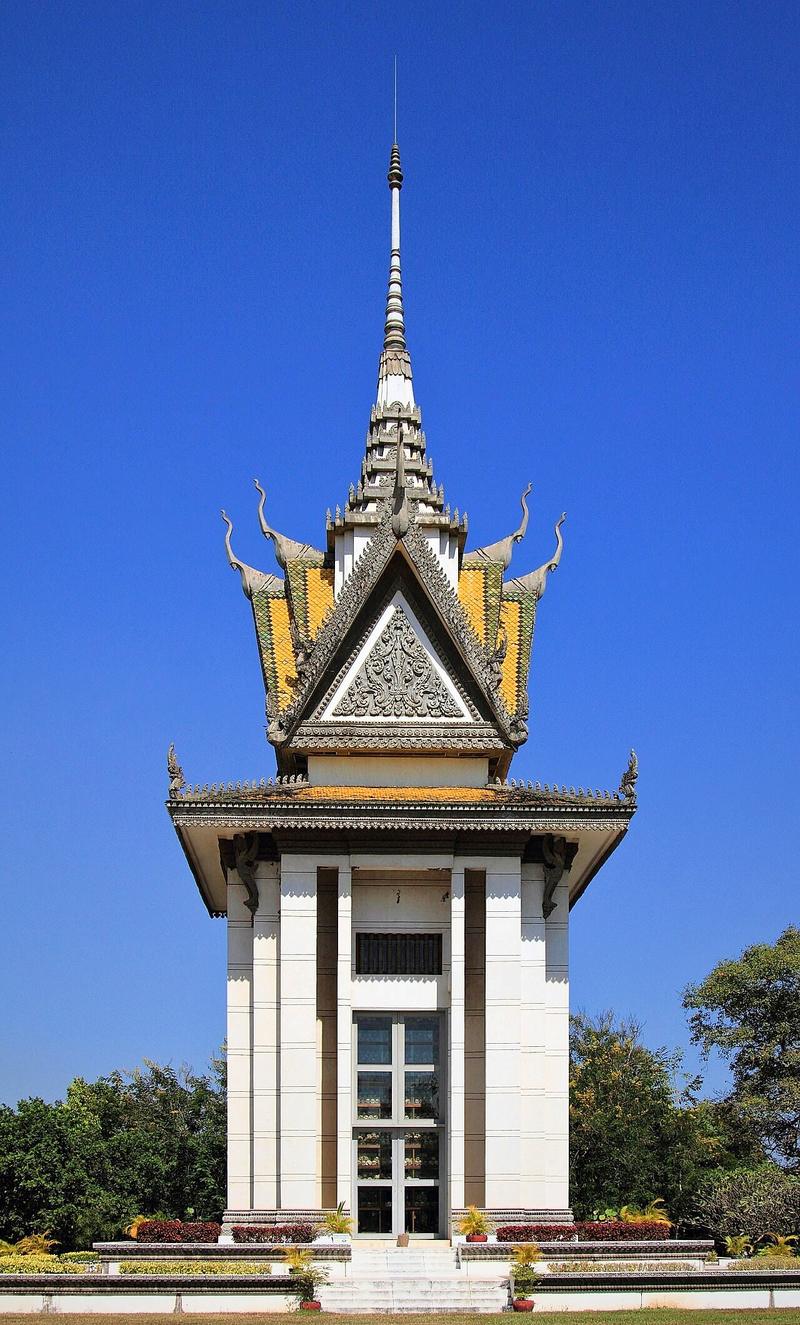
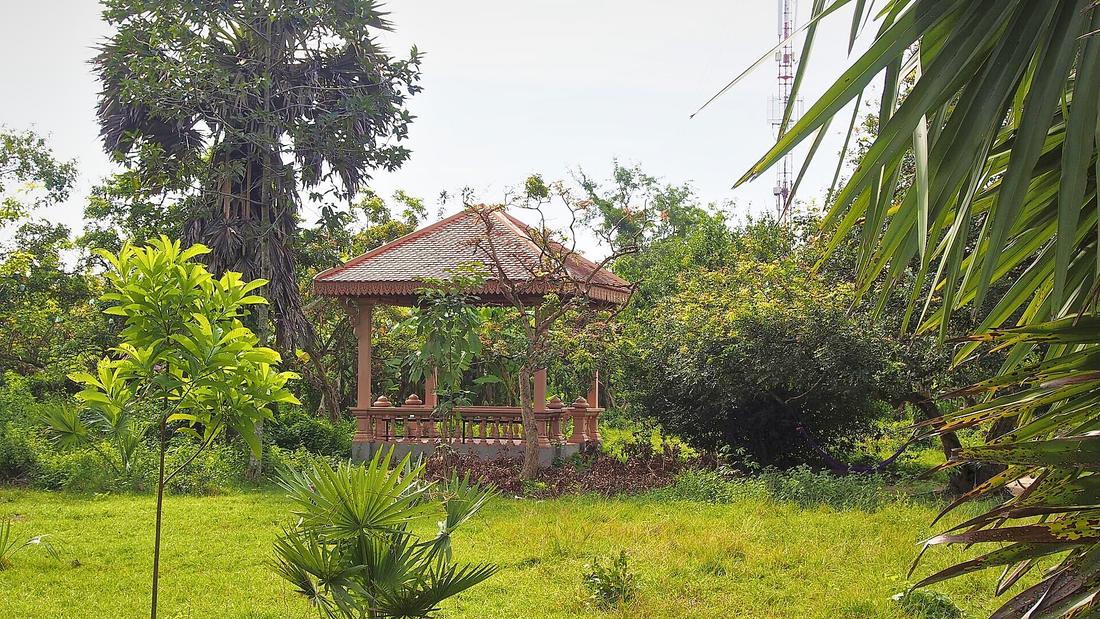
4/6Pavilion, Choeung Ek
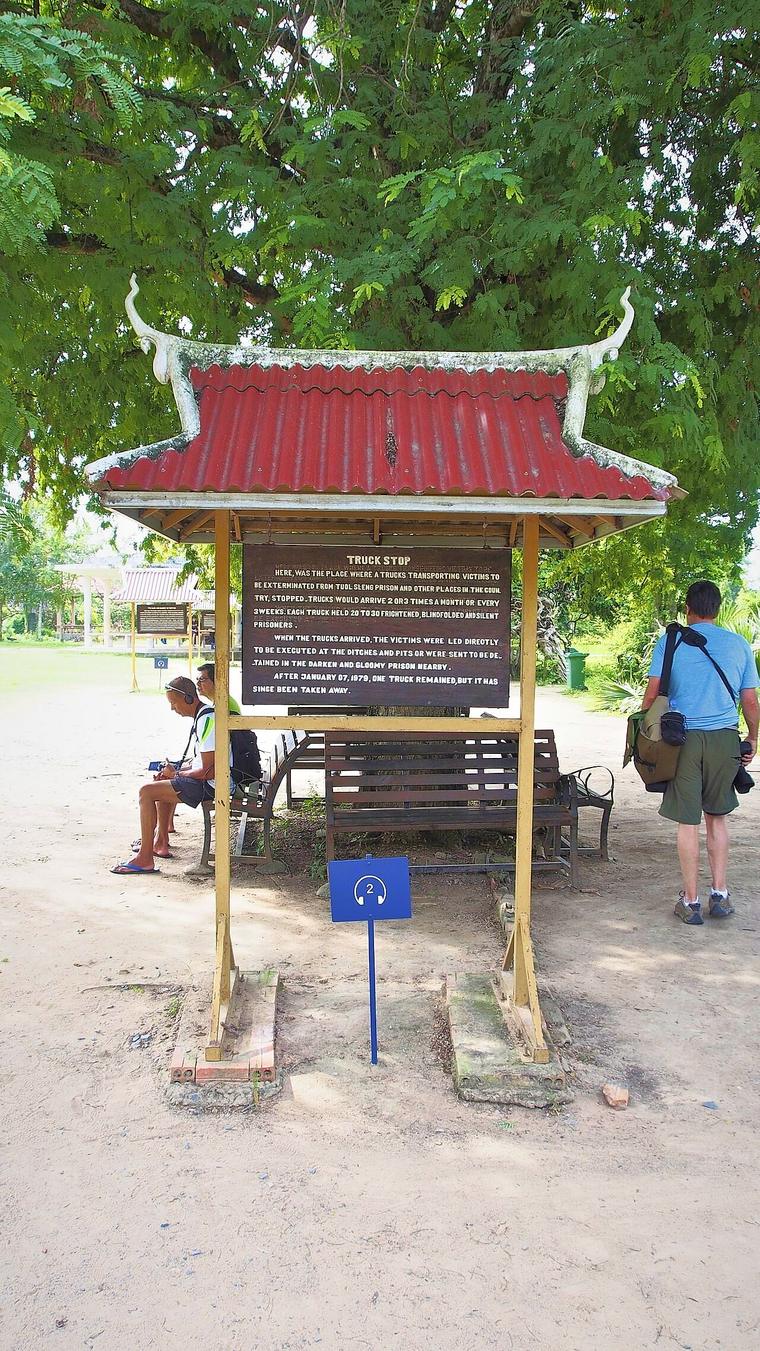
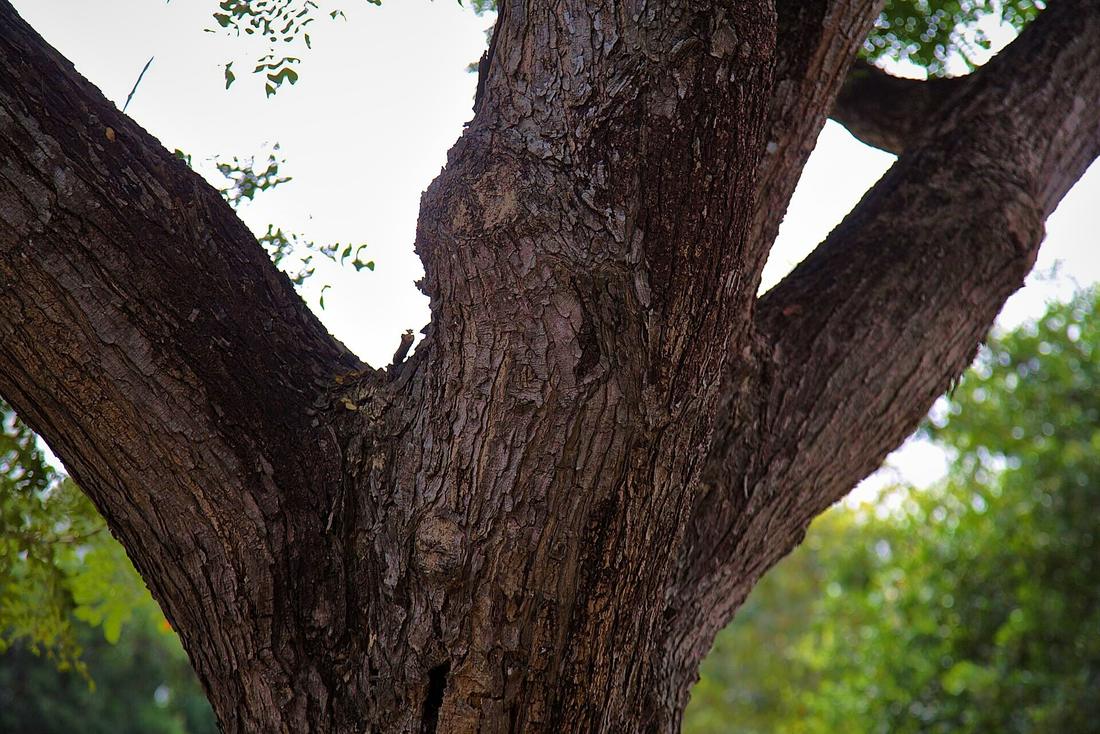
5/6Old tree, Choeung Ek grounds
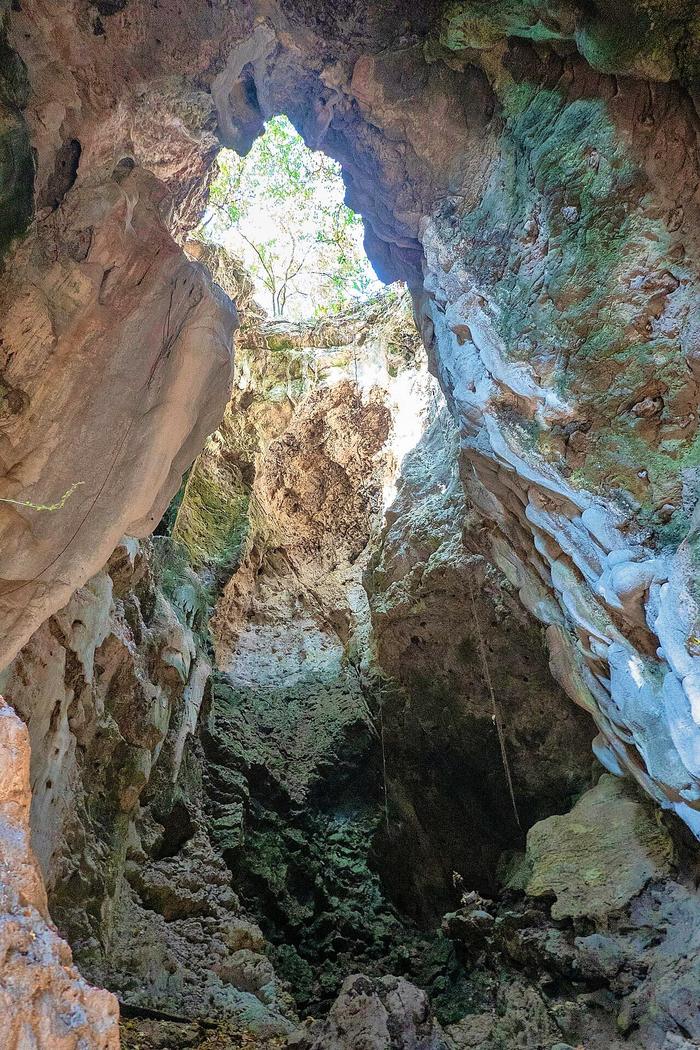
6/6Cave, Phnom Sampeau
Khmer Rouge history timeline: when did it rule, and how did it end?
From 17 April 1975 until Vietnamese troops took Phnom Penh on 7 January 1979.
Civil war1970–75
In power1975–79
Guerrilla war1979–96
Collapse1996–99
Court set up1999–2006
Tribunal2006–22
1970
A US-backed coup topples Sihanouk; civil war runs until April 1975.
17 April 1975
Khmer Rouge forces enter Phnom Penh and march the whole city out within days.
1976
The country is renamed Democratic Kampuchea; Duch heads S-21 until early 1979.
Dec 1978 to 7 Jan 1979
Vietnam invades and captures Phnom Penh. The regime falls.
1979 onward
Guerrilla war from the Thai border. The Khmer Rouge-led side held Cambodia's UN seat, a contested arrangement until 1991.
23 October 1991
The Paris Agreements are signed. The Khmer Rouge opposes the settlement.
1996 to 1997
Ieng Sary defects with several thousand fighters; other Khmer Rouge leaders arrest Pol Pot.
1998 to 1999
Pol Pot dies near Anlong Veng on 15 April 1998. The last stronghold integrates on 9 February 1999.
2006 to 2022
A UN-backed tribunal tries surviving leaders.
16 November 2018
The court convicts Nuon Chea and Khieu Samphan of genocide, crimes against humanity and war crimes.
Why did the Khmer Rouge take power?
A civil war and an alliance with the deposed king carried it to power.
1
Coup and war. The 1970 coup installed Lon Nol; nearly five years of civil war followed.
2
Sihanouk's name. Allied with the deposed Sihanouk, the movement won support in the countryside.
3
Bombing. Britannica says US bombing in the early 1970s sped up rural support. Kiernan and Owen put it at around 500,000 tons for 1969-73.
4
China. Its most important foreign supporter once in power.
Why the killing? The regime wanted a classless, moneyless farming society under absolute state control, from "Year Zero". At S-21 alone, at least 11,742 prisoners were executed (court finding).
How much was dropped on Cambodia?
Early estimates were revised sharply: 2.7 million tons (2006), withdrawn by its authors in 2010 for around 500,000 tons for 1969-73, a figure Kiernan and Owen call undisputed. Pentagon-based work puts the total at no less than 472,313 tons.
How did the Khmer Rouge run Cambodia?
Phnom Penh emptied
2 million+
At least 2 million people were forced out of the capital in April 1975; thousands died on the marches.
Who was targeted
Former officials
Teachers
Doctors
Monks
Cham Muslims
Ethnic Vietnamese
"Year Zero"
The regime rejected the country's past and introduced a new calendar.
No money or faith
Money, markets and private property were banned, the central bank demolished and Buddhism made illegal.
Labour collectives
Work under surveillance. City "new people" were opposed to rural "base people".
Hospitals and families
Hospitals closed, so preventable illness often became fatal. Many children were separated from their families.
The death toll
How many died in the Cambodian genocide, and how sure is that number?
An estimated 1.5 to 3 million people died; sources differ. No reliable records survive, so every figure is an estimate.
<1 to >3mEstimates reviewed by Heuveline (dashed: open-ended)
01m2m3m
Share of the populationAbout 1 in 4AP. Britannica: a fifth to a quarter.
Held at S-21 prison15,000-20,000At least 11,742 executed (court finding). Survivors: 12 per the museum and Britannica; the Ministry of Tourism says 7 were found alive. Sources differ.
Cham Muslims killed100,000-500,000Plus about 20,000 ethnic Vietnamese (UN News; sources differ).
Mapped by DC-Cam388+sites19,733+ mass graves (4 or more bodies each) and 196 prisons.
Each figure comes from a different kind of count, by a court, a demographer or a grave survey, so they are never added together.
Why the numbers differ
Britannica says the exact toll cannot be known because reliable records are absent. Heuveline's model puts excess deaths at 1.2 to 2.8 million (95% interval) and finds 1.5 to 2.25 million 69% likely. The Yale Cambodian Genocide Program report says at least 1.7 million; UN News, citing the ECCC, says up to three million may have died overall.
Grave counts differ by source and date: a 2009 figure gave 23,745 mass graves with about 1.3 million suspected victims, while DC-Cam's current count is more than 19,733 graves at over 388 sites. Some single pits hold over 1,000 bodies. At Choeung Ek alone, remains of 8,985 people were exhumed in 1980. No skull counts are given here.
Calling these crimes genocide was debated for decades, for legal and political reasons, before the court rulings.
Sources: Britannica, Heuveline, Yale, UN News, AP, ECCC, DC-Cam (list).
Khmer Rouge tour: which memorial sites can you visit? Checked Nov 2026
Tuol Sleng is the former S-21 prison. About 17,000 people held there were later taken to Choeung Ek to be killed (Ministry of Tourism).
Our view: order
Both, Tuol Sleng first
It follows the prisoners' route. Both fit in one day; each opens until at least 5:00 PM.
Our estimate: time
3 to 5 hours on site
1.5 to 3 hours at Tuol Sleng and 1.5 to 2 at Choeung Ek, plus about 15 km each way.
Our view: after
Keep the day light
Plan nothing demanding afterwards. Tuol Sleng's White Lotus Room is for sitting in silence.
Tuol Sleng: cover arms and legs. Choeung Ek: cover shoulders and knees; closed shoes for unpaved paths.
Keep quiet and solemn: these are memorials.
Photograph general views and signs; avoid close-ups of remains.
Don't
Eat, drink alcohol, smoke or vape on the Tuol Sleng grounds.
Use your phone inside the exhibition buildings.
The museum says exhibits may not suit visitors 14 and younger
No minimum age
Tuol Sleng ground floors: wheelchair access
What is Anlong Veng, and why does it matter?
The Khmer Rouge's final stronghold, under its control until a formal integration ceremony on 9 February 1999.
Anlong Vengអន្លង់វែង
What is there
DC-Cam lists 14 Khmer Rouge sites around the town and established a Peace Center there in 2015.
Our view
A trip of its own for a specific interest, not an add-on to Phnom Penh. Ask your hotel or driver for current transport and fares.
Thai border crossing Checked Nov 2026
One guide's list of closed crossings includes Chong Sa Ngam/Anlong Veng; not a route into Thailand. Border crossings
Where the sites are, and a 2025 controversy
Pol Pot's cremation site is 13 km from the Anlong Veng roundabout on National Road 67. Ta Mok's house museum is 2 km from the roundabout.
AFP reported in April 2025 that a new roof over the cremation site drew online criticism as a glorification of Pol Pot. Checked Nov 2026
Was anyone punished? What the Khmer Rouge tribunal decided
Yes: three leaders were convicted, two of them of genocide.
3leaders convicted
2006-22proceedings
2023residual work begins
Case 001
Duch, S-21 chief
Convicted
2010 crimes against humanity, 35 years
2012 appeal raises it to life
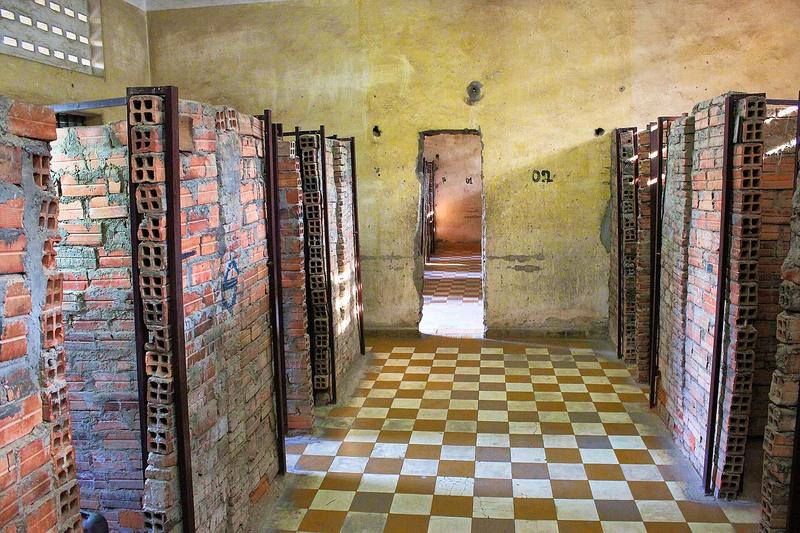
Cells at the former S-21
Case 002
Nuon Chea and Khieu Samphan
Convicted
2014 life sentences
Nov 2018 genocide, crimes against humanity, war crimes
2022 Khieu Samphan's life sentence upheld; Nuon Chea died in 2019
No final verdict
Not tried to the end
Died or ended
Pol Pot died before charges
Ieng Sary died in 2013; Ieng Thirith unfit for trial
Cases 003 and 004 ended without enforceable indictments
How the court worked
The Extraordinary Chambers in the Courts of Cambodia (ECCC) was a hybrid court of Cambodian and international judges, set up under a UN-Cambodia agreement dated 6 June 2003, in force from 29 April 2005. Investigations began on 3 July 2006. Its mandate covered senior leaders and those most responsible for crimes from 17 April 1975 to 6 January 1979, and it investigated more than 100 crime sites. UN News reports a total cost of about US$330 million.
Case 002/02 ran 24 months of evidentiary hearings with 185 witnesses. The genocide finding covers killings of the Vietnamese group; for the Cham, the court found a genocidal state of mind at Wat Au Trakuon and Trea Village, without a definite victim count. Cambodian and international officials disagreed over whether mid-level officials fell under the court's reach. Since January 2023 residual work covers witness protection, the archive and reparations.
How is the Khmer Rouge period remembered and taught today?
Two national days mark the period each year; since 2025 the memorials are World Heritage.
20May
National Day of Remembrance
Named so in 2018, replacing the 1984 "Day of Hatred". About 2,000 attended the 2025 ceremony at Choeung Ek.
7Jan
Victory Over the Genocide Day
Held on 7 January, the date Vietnamese troops captured Phnom Penh in 1979.
2025July
World Heritage
Tuol Sleng, Choeung Ek and M-13 listed together.
ArchiveTuol Sleng's records, over 766,000 pages, are on UNESCO's Memory of the World register since 2009.
SchoolsDC-Cam's textbook, endorsed for secondary schools, has passed 400,000 copies. DC-Cam says schools teach only 1975-79.
CultureNearly every Buddhist temple and library was destroyed.
Khmer Rouge FAQ: visiting, death toll and the tribunal
Visiting the memorials
Is it appropriate to visit Tuol Sleng and Choeung Ek?
Both are open memorials: national memorials, on the UNESCO World Heritage List since July 2025, and open every day. The museum asks for solemn behaviour and covered arms and legs, and says its exhibits may not suit visitors 14 and younger. Our advice: expect a heavy visit and plan nothing demanding afterwards. The White Lotus Room at Tuol Sleng is a quiet space to sit, and the Choeung Ek audio route includes moments of silence. Personal photos are allowed; keep to general views.
How long do Tuol Sleng and Choeung Ek take?
One guide suggests at least 1.5 to 2 hours at Tuol Sleng, closer to 3 hours with the audio guide. At Choeung Ek, allow 1.5 to 2 hours for the full audio route.
Can I see both sites in one day?
Yes, and in our view Tuol Sleng first, then Choeung Ek, following the prisoners' route; expect 3 to 5 hours on site plus the trip out. Tuol Sleng is open 8:00 AM to 5:00 PM; Choeung Ek opens at 7:30 or 8:00 AM and closes at 5:00 or 5:30 PM (listings differ). Choeung Ek is about 15 km out, and a tuk-tuk return trip costs US$10 to 15; sources differ.
Is the audio guide worth it?
Guides recommend it at both sites. At Choeung Ek, one guide says the US$6 ticket includes it; another listing gives US$3 entry with audio extra. At Tuol Sleng it costs US$5 per the museum or US$3 per the Ministry of Tourism, and comes in 11 languages.
Can I take children?
There is no minimum age. The museum says the exhibits may not be appropriate for visitors aged 14 and younger. Under-10s enter Tuol Sleng free.
Do I need cash for the tickets?
Yes at Tuol Sleng: cash only, in riel or US dollars, and tickets are sold only at the entrance booth. One guide says Choeung Ek is cash only too.
How far is Choeung Ek from Phnom Penh?
About 15 km from the centre, by the Ministry of Tourism's figure; other listings give 11 to 17 km. It lies in Dangkao District on the edge of the city.
Can I visit Anlong Veng?
Yes, but in our view as a trip of its own, for a specific interest. DC-Cam established a Peace Center there in 2015 and lists 14 historical sites, including Pol Pot's cremation site, 13 km from the town roundabout near the Choam Sra Ngam border checkpoint, and Ta Mok's house museum. One guide lists that border crossing as closed. Ask your hotel or driver for current transport and hours.
Khmer Rouge history and the death toll
How many people died under the Khmer Rouge?
Most scholarly estimates give 1.5 to 3 million (Britannica). UN News and AP give about 1.7 million, which AP calls about a quarter of the population. No reliable records survive, so sources differ.
How do we know the genocide happened?
From court judgements, records and graves. The ECCC convicted three leaders and in 2018 found genocide against the Vietnamese group. Tuol Sleng's archive of over 766,000 pages is on UNESCO's Memory of the World register, and DC-Cam has mapped more than 19,733 mass graves at over 388 sites. Britannica notes that the genocide label itself was debated for decades, for legal and political reasons.
Is the Khmer Rouge still active?
No. The regime fell on 7 January 1979. The movement broke up from 1996, when Ieng Sary defected, and Anlong Veng, its final stronghold, was formally integrated on 9 February 1999. The tribunal's last appeal judgement came in 2022. For current safety advice, see Is Cambodia safe?
The tribunal
Did the court find that it was genocide?
Yes, for specific groups. In November 2018 the ECCC convicted Nuon Chea and Khieu Samphan of genocide, crimes against humanity and war crimes. The genocide finding covers the ethnic Vietnamese, and the court found genocidal intent toward Cham victims at two sites, a narrower scope than the everyday term "Cambodian genocide".
Who was tried, and who was not?
Three leaders were convicted: Duch, Nuon Chea and Khieu Samphan. Pol Pot died in 1998 before charges could be brought; Ieng Sary died in 2013 and his case ended; Ieng Thirith was found unfit to stand trial; Cases 003 and 004 ended without enforceable indictments.
Sources (43), checked November 2026
akp.gov.khofficialCambodian memorial sites (M-13, Tuol Sleng, Choeung Ek) were inscribed; The UNESCO memorial-sites property includes former M-13 Prison, Tuol S
eccc.gov.khofficialThe ECCC investigated crimes committed between 17 April 1975 and 6 Jan; ECCC investigations and court proceedings ran from 2006 to 2022
eccc.gov.khofficialThe ECCC mandate was to try senior leaders of Democratic Kampuchea and; The UN-Cambodia Agreement on the ECCC is dated 6 June 2003
eccc.gov.khofficialThe ECCC says Duch was Chairman of the S-21 Security Centre in Phnom P
eccc.gov.khofficialIeng Thirith was found unfit to stand trial and stayed under judicial
eccc.gov.khofficialThe Trial Chamber delivered its Case 002/02 summary of judgement on 16; The Case 002/02 Chamber found perpetrators at Wat Au Trakuon and Trea
getty.eduofficialThe National Museum of Cambodia was founded in 1917 in Phnom Penh; The National Museum was closed during the Khmer Rouge era (1975-79)
macmillan.yale.eduofficialThe Yale Cambodian Genocide Program report to the U.S. State Departmen
news.un.orgofficialAt least two million people were forcibly transferred from Phnom Penh
news.un.orgofficialUN News (2022) reports an estimated 1.7 million Cambodians died from e; UN News (2022) says up to three million may have died overall, citing
peacekeeping.un.orgofficialThe Paris Agreements on a comprehensive political settlement were sign
timeline.eccc.gov.khofficialThe ECCC timeline says at least 11,742 prisoners were executed at S-21; The UN-Cambodia ECCC Agreement came into effect on 29 April 2005
tourismcambodia.comofficialMinistry of Tourism says Choeung Ek is 15 km from central Phnom Penh; About 17,000 people were detained and tortured at S-21 between 1975 an
tourismcambodia.comofficialMinistry of Tourism lists the Tuol Sleng entry at US$5 for adults, $3 ; Ministry of Tourism says the Tuol Sleng audio tour costs US$3 per pers
tuolsleng.gov.khofficialTuol Sleng Genocide Museum is open every day, 8:00 am to 5:00 pm; Foreign adults (18+) pay US$5 at Tuol Sleng
tuolsleng.gov.khofficialThe Tuol Sleng museum says 15,000 to 20,000 people were imprisoned at ; Only 12 former inmates survived to the opening of S-21 when Phnom Penh
tuolsleng.gov.khofficialThe White Lotus Room is a quiet space where visitors can sit in silenc; Visitors can bring flowers to the memorial at Tuol Sleng honouring tho
un.orgofficialThe UN seat for Cambodia went to the Khmer Rouge regime, then exiled o; The contested UN seat situation continued until 1991
unesco.orgofficialChoeung Ek is in Dangkao District on the outskirts of Phnom Penh
ushmm.orgofficialCase 001: Duch, head of S-21, was convicted of crimes against humanity; On appeal in February 2012 the Supreme Court Chamber increased Duch's
whc.unesco.orgofficialThe museum archive holds more than 766,000 pages of documents, plus ar; The Tuol Sleng archive was inscribed in the UNESCO Memory of the World
d.dccam.orgoperatorDC-Cam documented 196 prisons that operated during the Democratic Kamp
d.dccam.orgoperatorDC-Cam counts a mass grave as any pit with 4 or more bodies; some hold; DC-Cam says it has identified over 388 genocide sites holding more tha
dccam.orgoperatorThe Ministry of Education endorsed DC-Cam's Khmer Rouge history textbo; DC-Cam says it published and distributed over 400,000 Khmer-language c
dccam.orgoperatorVietnamese troops captured Phnom Penh on 7 January 1979; Anlong Veng stayed under Khmer Rouge control until a formal integratio
dccam.orgoperatorDC-Cam lists 14 Khmer Rouge historical sites around Anlong Veng for pr; Pol Pot's cremation site is 13 km from the Anlong Veng roundabout on N
kh.andersen.comnewsVictory Over the Genocide Day: January 7, 2026
malaymail.comnewsAFP reported in April 2025 a new coffin-shaped structure with a clear ; AFP reports the roof drew negative reactions on social media from crit
washingtontimes.comnewsAP (2025) says the Khmer Rouge caused the deaths of about 1.7 million ; In 1984 the Vietnamese-installed government declared 20 May a "Nationa
alongdustyroads.comguideChoeung Ek admission $6 per foreigner including multilingual audio gui; Choeung Ek open daily 7:30-17:30
britannica.comguidePol Pot died on 15 April 1998 near Anlong Veng
britannica.comguideIn 1970 a U.S.-backed coup overthrew Sihanouk and installed the Lon No; China was the Khmer Rouge's most important external supporter during D
britannica.comguideCambodia's communist movement originated in the Khmer People's Revolut; The party leadership later renamed the movement the Communist Party of
cambridge.orgguideKiernan and Owen state that around 500,000 tons of U.S. bombs fell on ; The 2006 estimate of 2.7 million tons dropped on Cambodia was correcte
en.wikipedia.orgguideUnder the Khmer Rouge nearly every Buddhist temple and library was des
en.wikipedia.orgguideThe Khmer Rouge captured Phnom Penh on 17 April 1975, ending the civil; DC-Cam mapped 23,745 mass graves holding about 1.3 million suspected v
en.wikipedia.orgguideChoeung Ek distance from central Phnom Penh
en.wikipedia.orgguideThe Khmer Rouge regime, Democratic Kampuchea, ruled Cambodia between 1; In 1976 the Khmer Rouge renamed the country Democratic Kampuchea
en.wikipedia.orgguidePhnom Sampeau is a hill about 11 km southwest of Battambang; The killing caves of Phnom Sampeau are a Khmer Rouge execution site
escholarship.orgguideHeuveline's demographic model gives a 95 percent interval of 1.2 to 2.; Heuveline finds the 1.5 to 2.25 million interval 69 percent likely to
nomads-travel-guide.comguideAudio commentary is highly recommended; includes survivor testimony an; Allow 1.5-2 hours on site to follow the full audio guide route
nomads-travel-guide.comguideAudio guides in multiple languages are highly recommended; Plan at least 1.5 to 2 hours; closer to 3 hours with audio guide
wandercambodia.comguideClosed crossings listed include Aranyaprathet/Poipet (Bangkok-Siem Rea
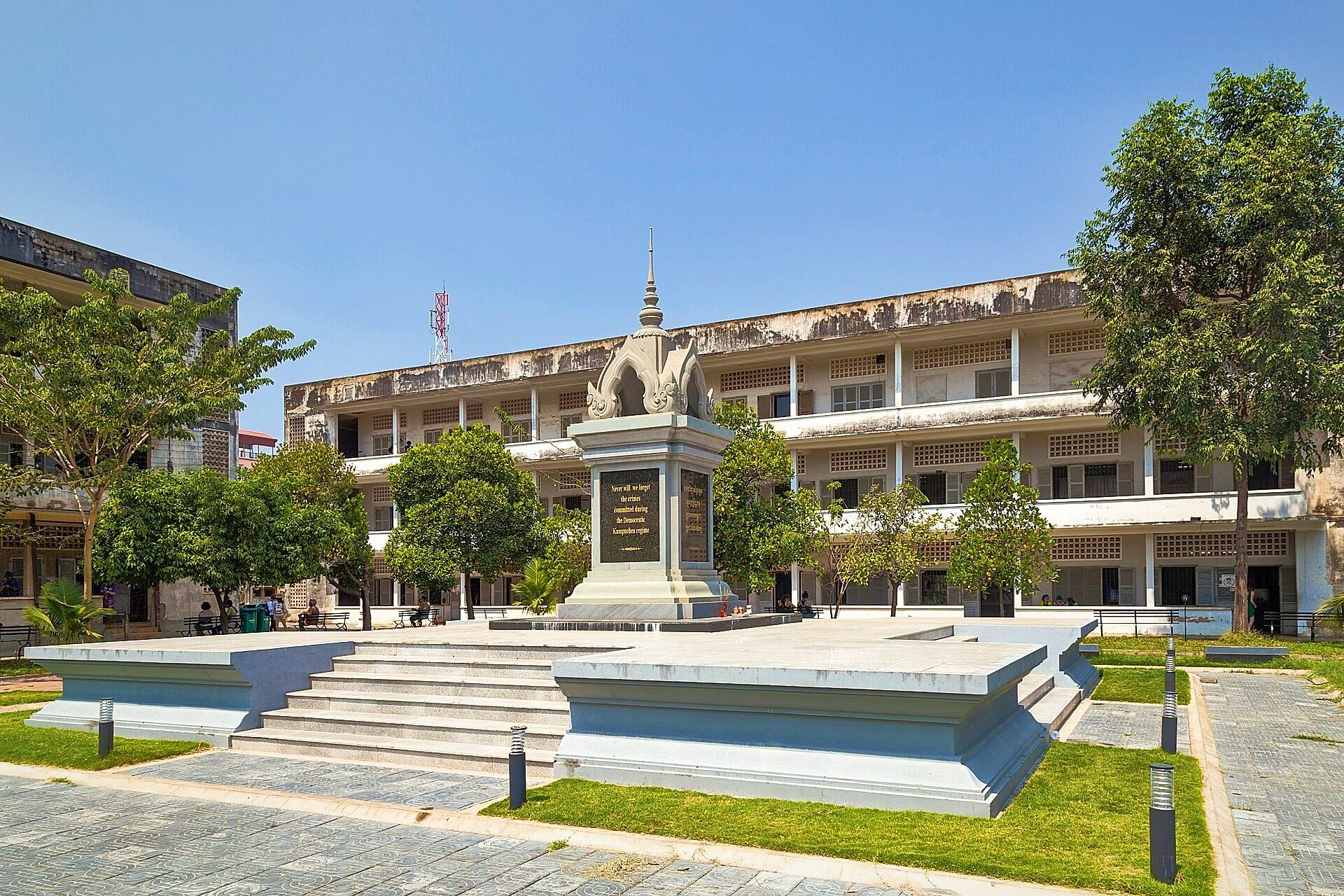
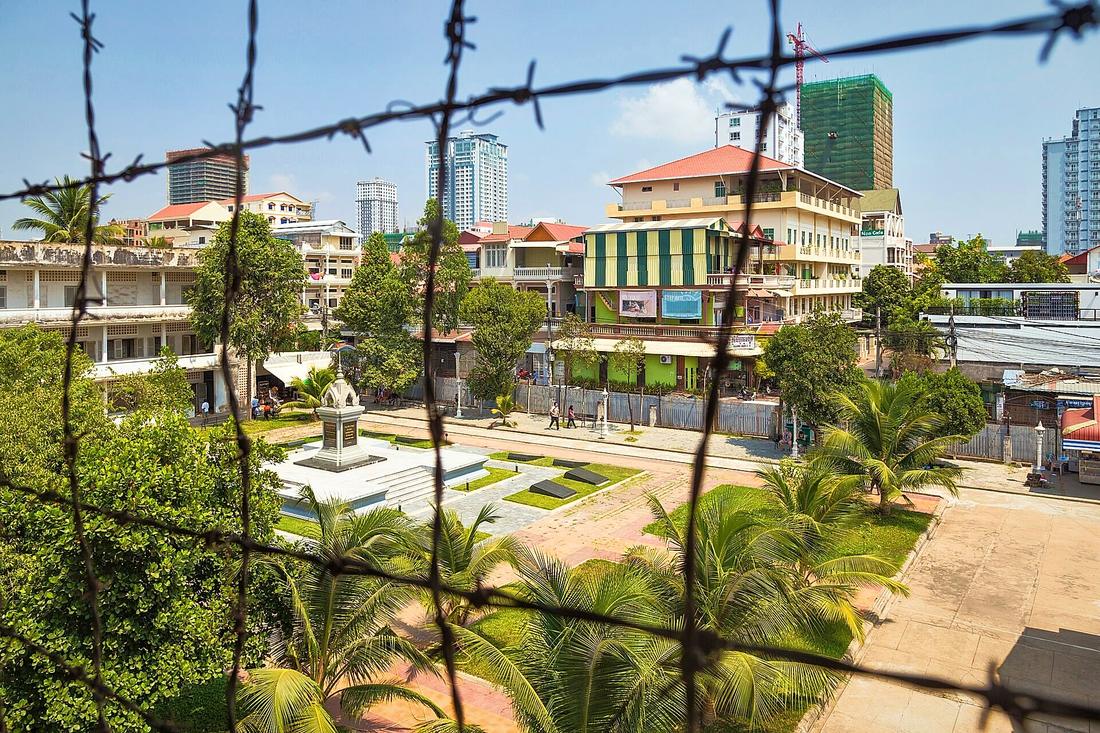 1/6
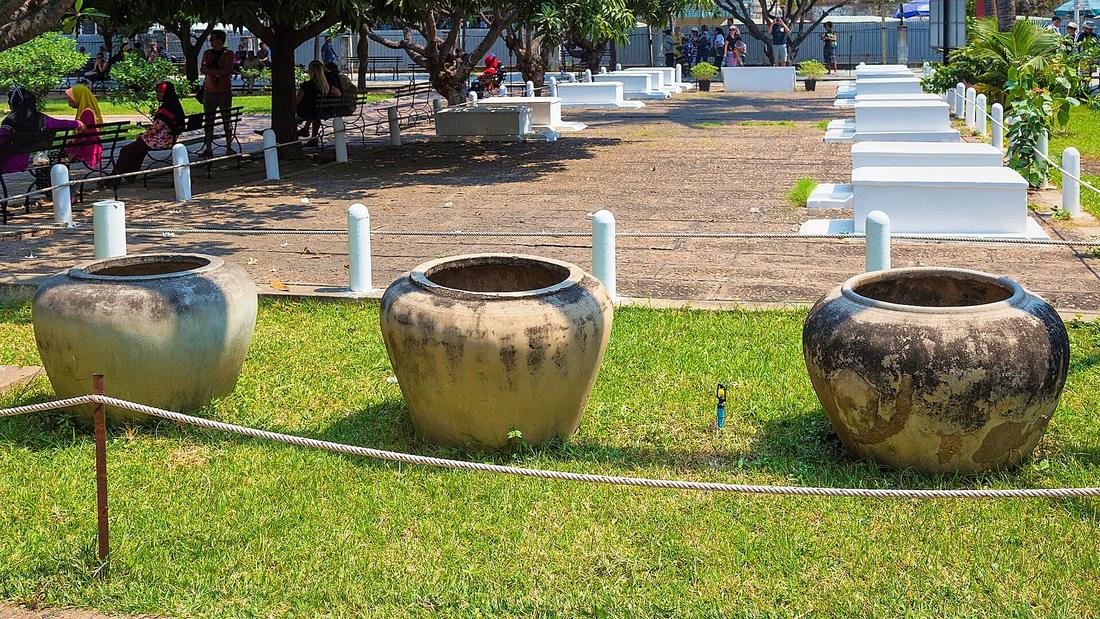 2/6
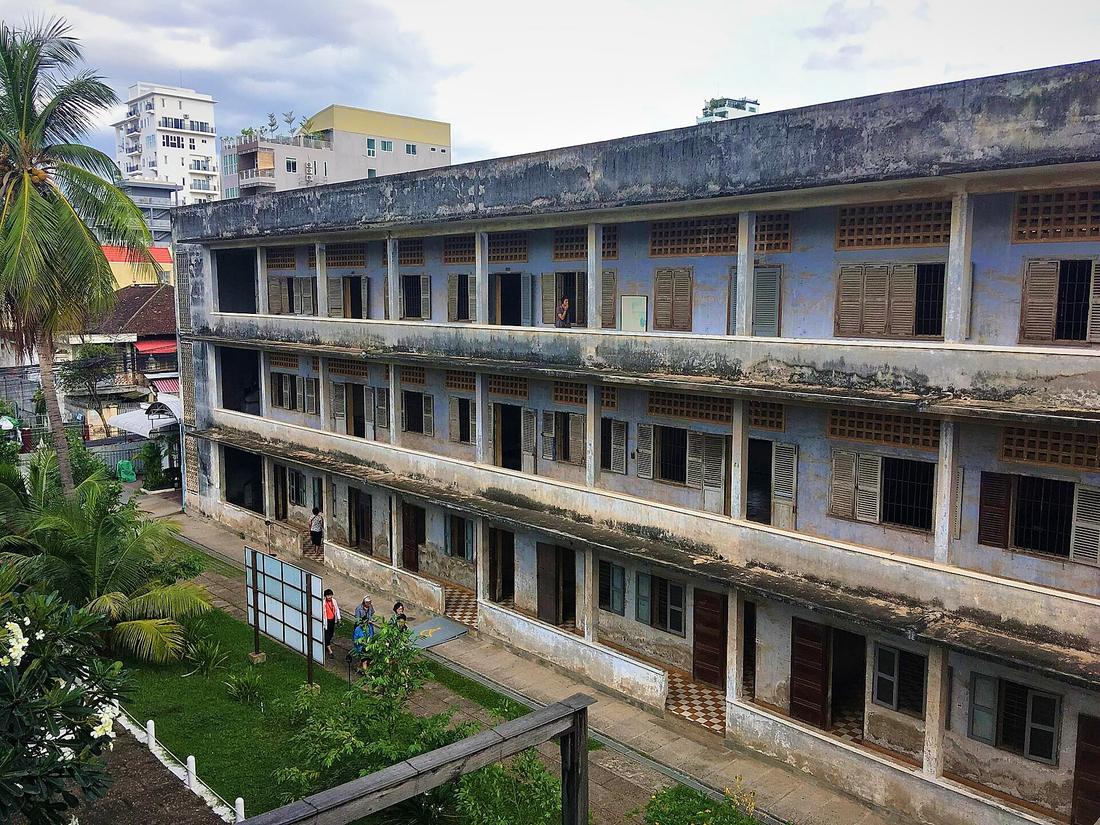 3/6
 4/6
 5/6
 6/6
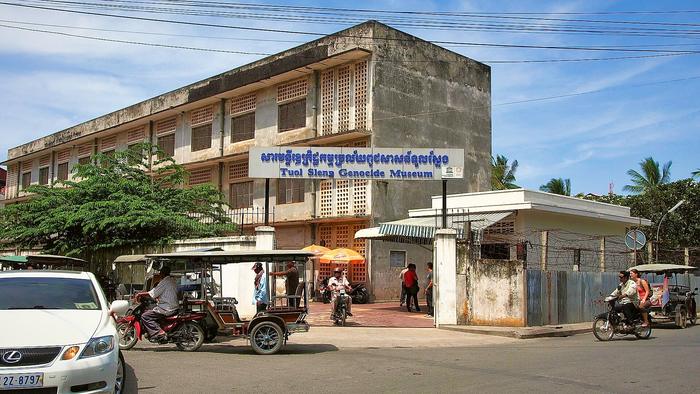 MuseumTuol Sleng (S-21)A 1962 high school turned prison
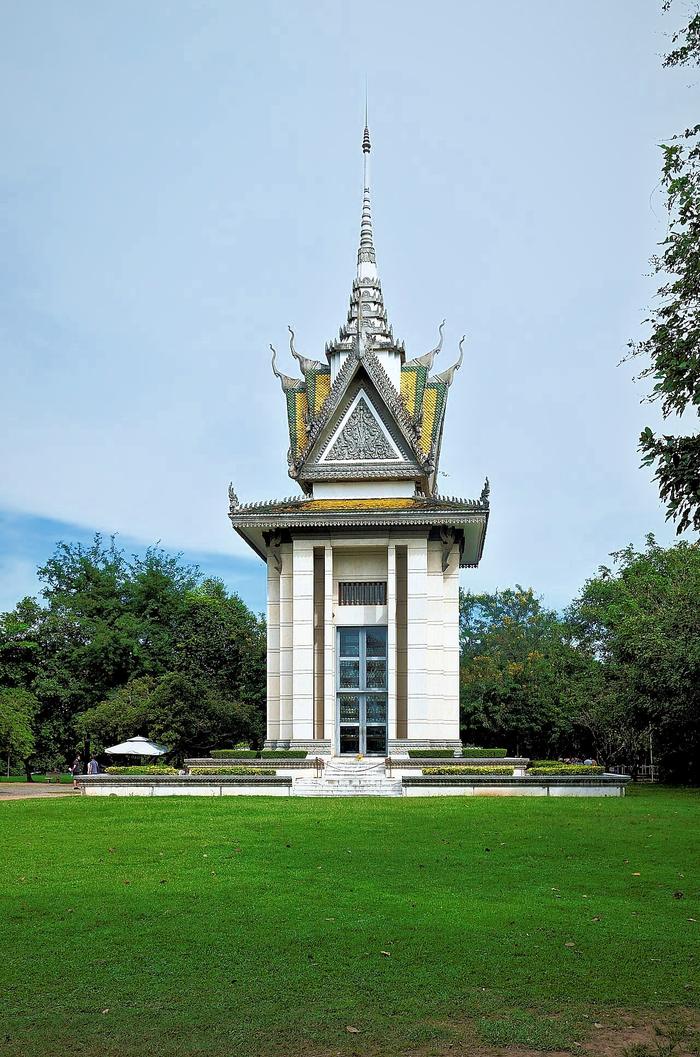 MemorialChoeung EkMemorial stupa, about 15 km out
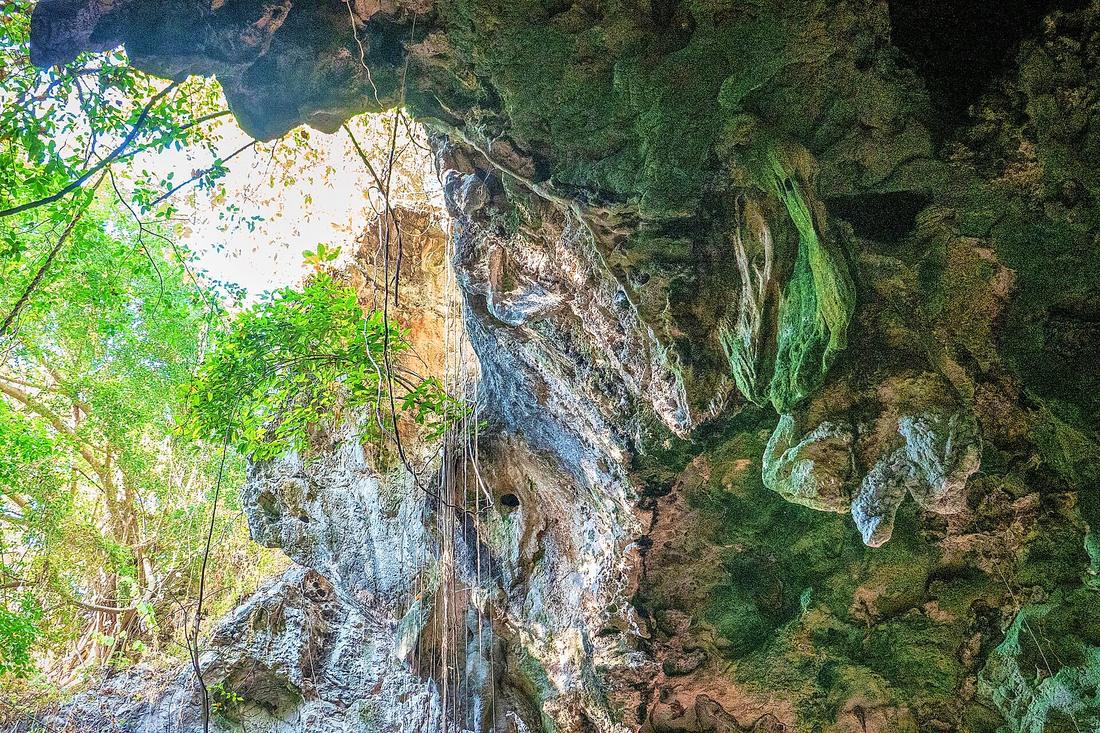 BattambangPhnom SampeauCaves used as a killing site