Condensed milk
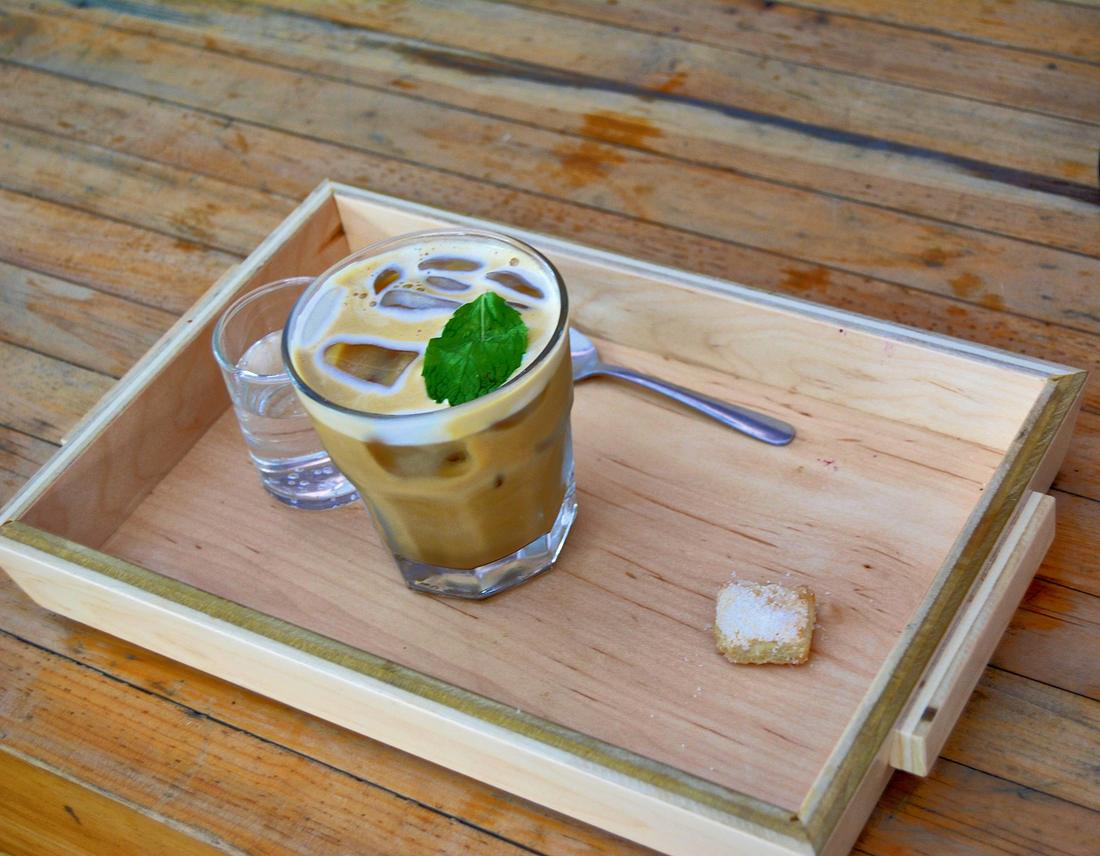
Cambodian coffee is usually served with sweetened condensed milk rather than black, says one guide.
Home › Cambodian food › Cambodian drinks
Drinks primer
Everyday drinks in Cambodia are Angkor Beer, coffee served with sweetened condensed milk, pressed sugarcane juice and green tea, with rice wine for the curious. For water, sealed bottles and cans are the safer choice.
By Laura Brennan · updated
Start with sugarcane juice on a hot street and Angkor Beer in the evening. Then match the drink to the moment.
Cold and sweet
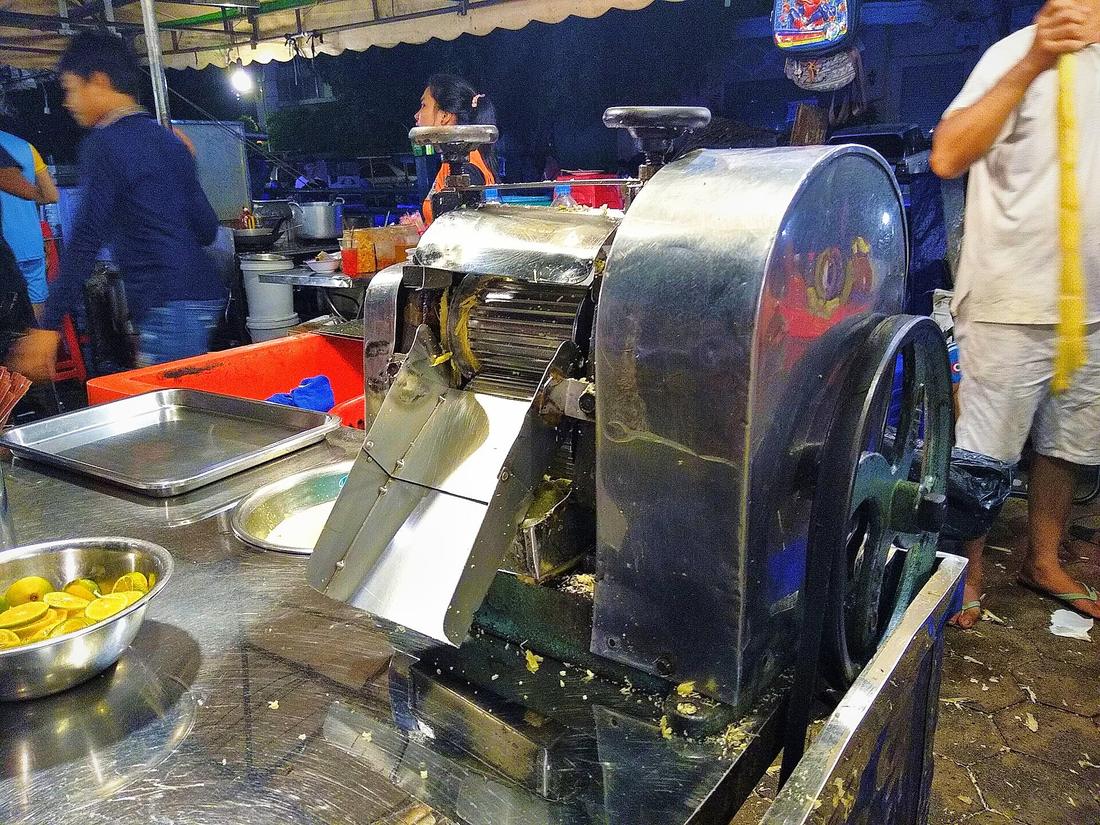
A popular street drink, pressed from the stalks with a special machine. It is often served with a dash of lime and/or ginger juice.
Sugarcane juiceAn evening beer
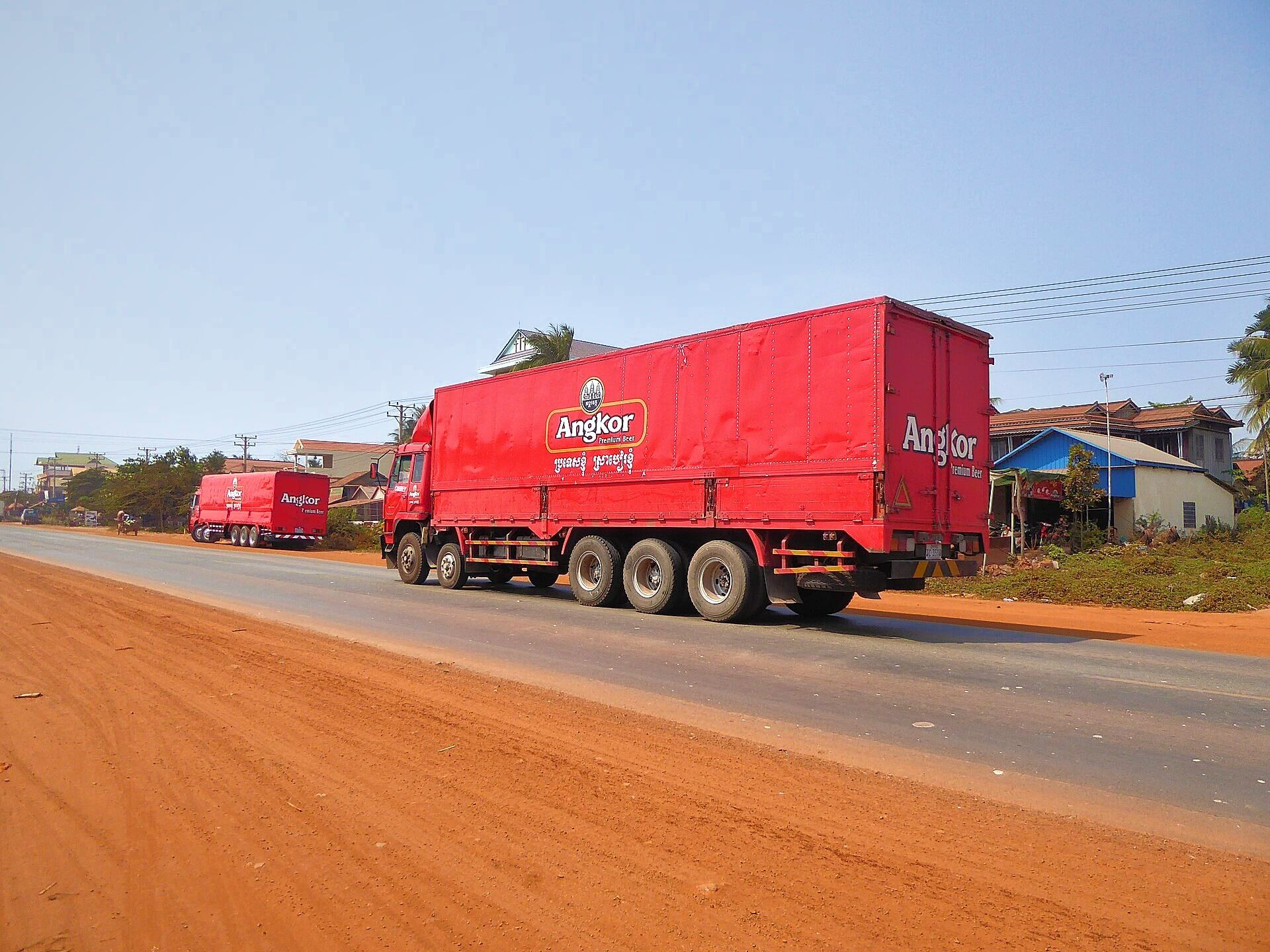
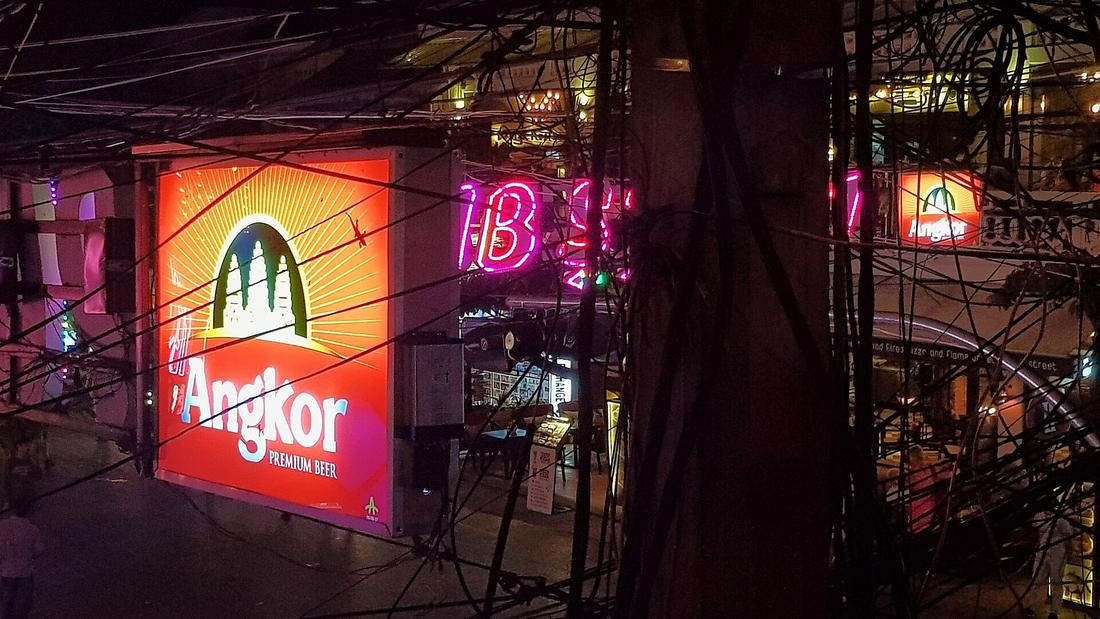
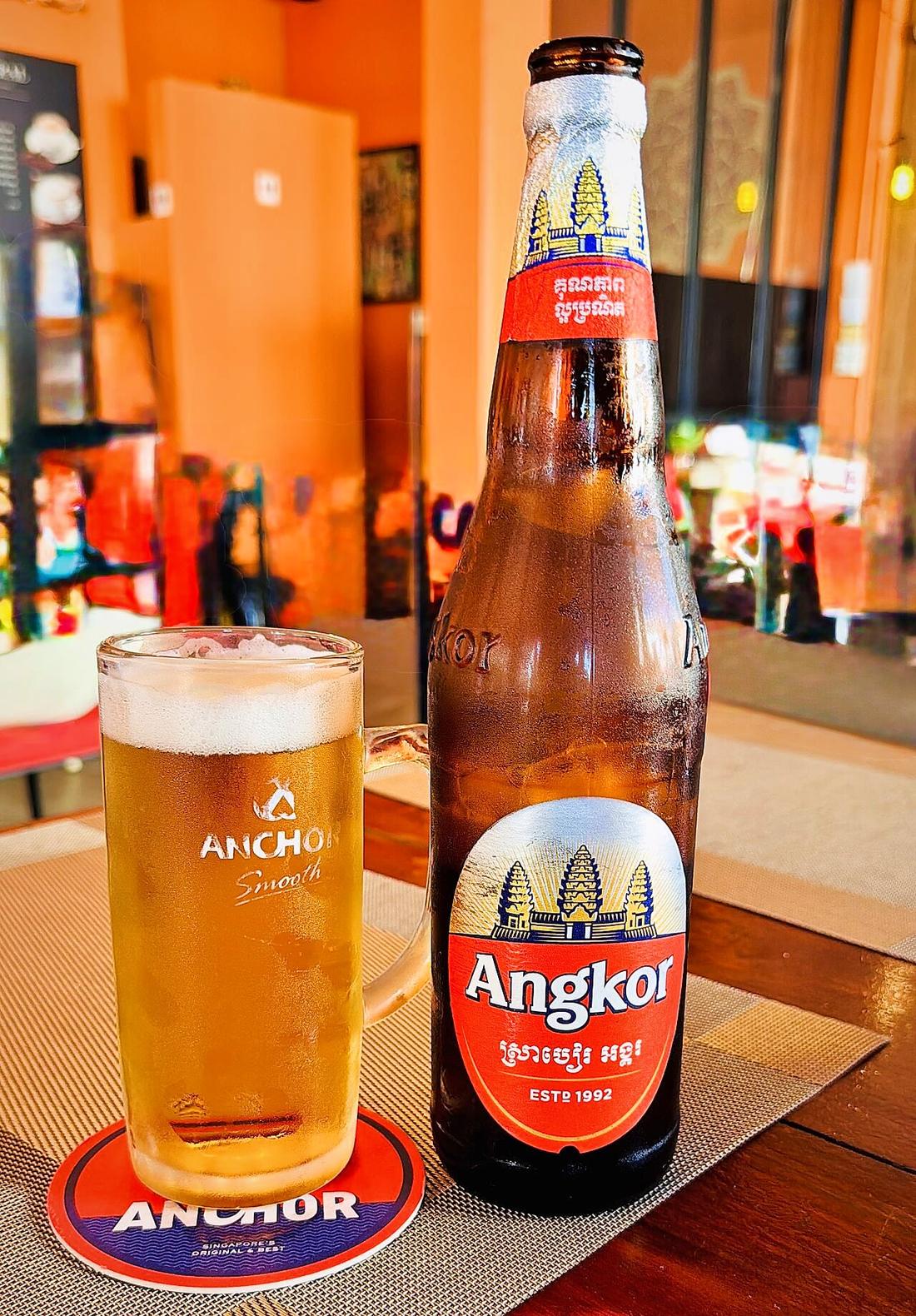
The most widely consumed beer in Cambodia, per a guide, alongside Klang Beer and Bayon Beer.
Angkor BeerCoffee
According to one guide, usually served with sweetened condensed milk rather than black, so ask if you want it otherwise.
CoffeeAny time of day
Green tea is consumed throughout the day in Cambodia. Street vendors sell soy milk in the morning.
Something fruity
Popular smoothie fruits are durian, mangos and bananas.
Sweet is the default. Most of the coffee in the cup is imported, so the local part of the story is the milk, not the bean.
Cambodian coffee is usually served with sweetened condensed milk rather than black, says one guide.
Coffee, condensed milk, chocolate, beer and wine are among the French culinary adoptions in Khmer cuisine.
More than 90% of coffee in Cambodia is imported, per a guide. A news report puts 2025 imports at about 12,000 tonnes of green coffee beans.
A news report says Cambodia produced 1,333 tonnes in 2025 from 563 hectares, grown in Mondulkiri, Ratanakiri, Pursat, Pailin and Tboung Khmum.
In practice a sweet, milky glass is the local order, and the black coffee price below is for an Americano. The supply figures come from news and guide sources and are annual, so they will move.
A resident reported Americanos cost about USD 1.50-2 in Phnom Penh coffee shops in 2026. That is one report from one city, so read it as a guide and check the menu. Checked Nov 2026
Yes. One guide calls Angkor Beer the most widely consumed beer in Cambodia.
Angkor Beer is named after the Angkor temples near Siem Reap. Its motto is My Country, My Beer, and one guide gives its strength as 5% alcohol by volume.
It is brewed at the Cambrew Brewery in Sihanoukville, described as the largest in Cambodia. Production resumed in 1992 at its original location there.
Angkor Beer sits alongside Klang Beer, Bayon Beer, Angkor Extra Stout and Black Panther Premium Stout.
Beer and wine, like coffee, condensed milk and chocolate, are among the French culinary adoptions in Khmer cuisine.
The dates below are from one guide.
Two village drinks, both low-key. Rice wine is made by fermenting boiled, dried rice with a natural starter, per a guide.
Rice wine
Made by fermenting boiled, dried rice with a natural starter.
Palm wine
A lower-prestige alcoholic beverage in Cambodia, per a guide.
One guide warns that low-quality home-made rice wine has occasionally caused methanol poisoning, so a sealed, labelled bottle is the cautious route.
Cleanliness decides it. The juice is pressed to order, but the stalk is raw.
Sugarcane juice is a popular street drink, pressed from stalks with a special machine.
It is often served with a dash of lime and/or ginger juice.
One guide says raw sugarcane can carry diseases such as leptospirosis if not properly cleaned.
Sugarcane was available in the Khmer Empire by the late 13th century, per Zhou Daguan.
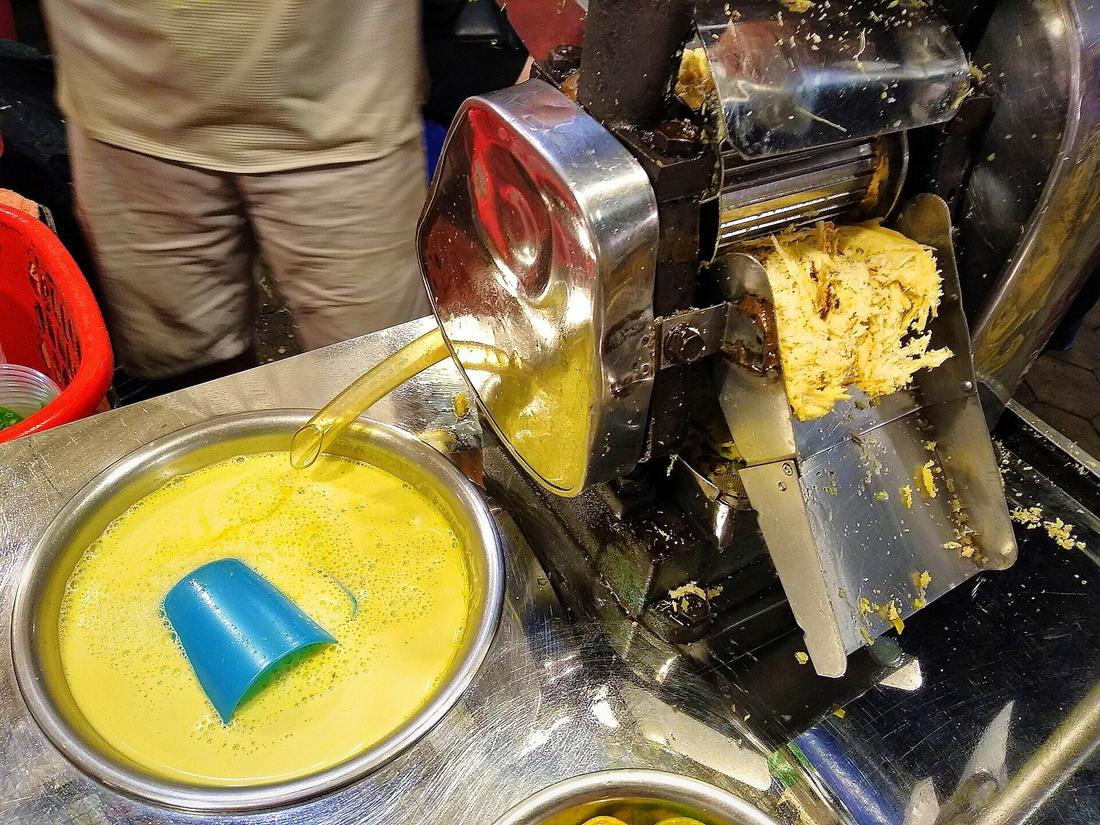
The guide's warning is about cleaning the raw stalk, so choose a stall that looks well kept. The CDC adds that ice is best skipped where clean water is limited, which applies to a juice stand as much as a bar.
A traveller reported sugarcane juice at 3,000 riel (USD 0.75) in Phnom Penh in 2026. One report, so check the price before you order. Checked Nov 2026
Stick to sealed bottles. The CDC says untreated water can carry germs that make you sick.
Sealed drinks. The CDC says drinks from unopened, factory-sealed bottles or cans are safer than tap water.
Check the seal. The CDC Yellow Book says safe bottled water is readily available; check that the seal is unbroken.
Skip the ice. The CDC says do not use ice in destinations with limited access to clean water.
Watch your glass. The FCDO says police report drink spiking in some bars visited by foreign nationals; do not leave drinks unattended.
Take care. UK TravelHealthPro advises all travellers to take care with personal, food and water hygiene.
The CDC Yellow Book advises avoiding non-bottled water, ice and street-vendor food because travellers diarrhoea is common. Typhoid is a bacterial infection transmitted through contaminated food and water, and the CDC says safe food and water habits, including handwashing, help prevent it. The CDC says travellers should at the very least be protected against hepatitis A and typhoid fever.
This is not medical advice: ask a doctor or travel clinic before you go.
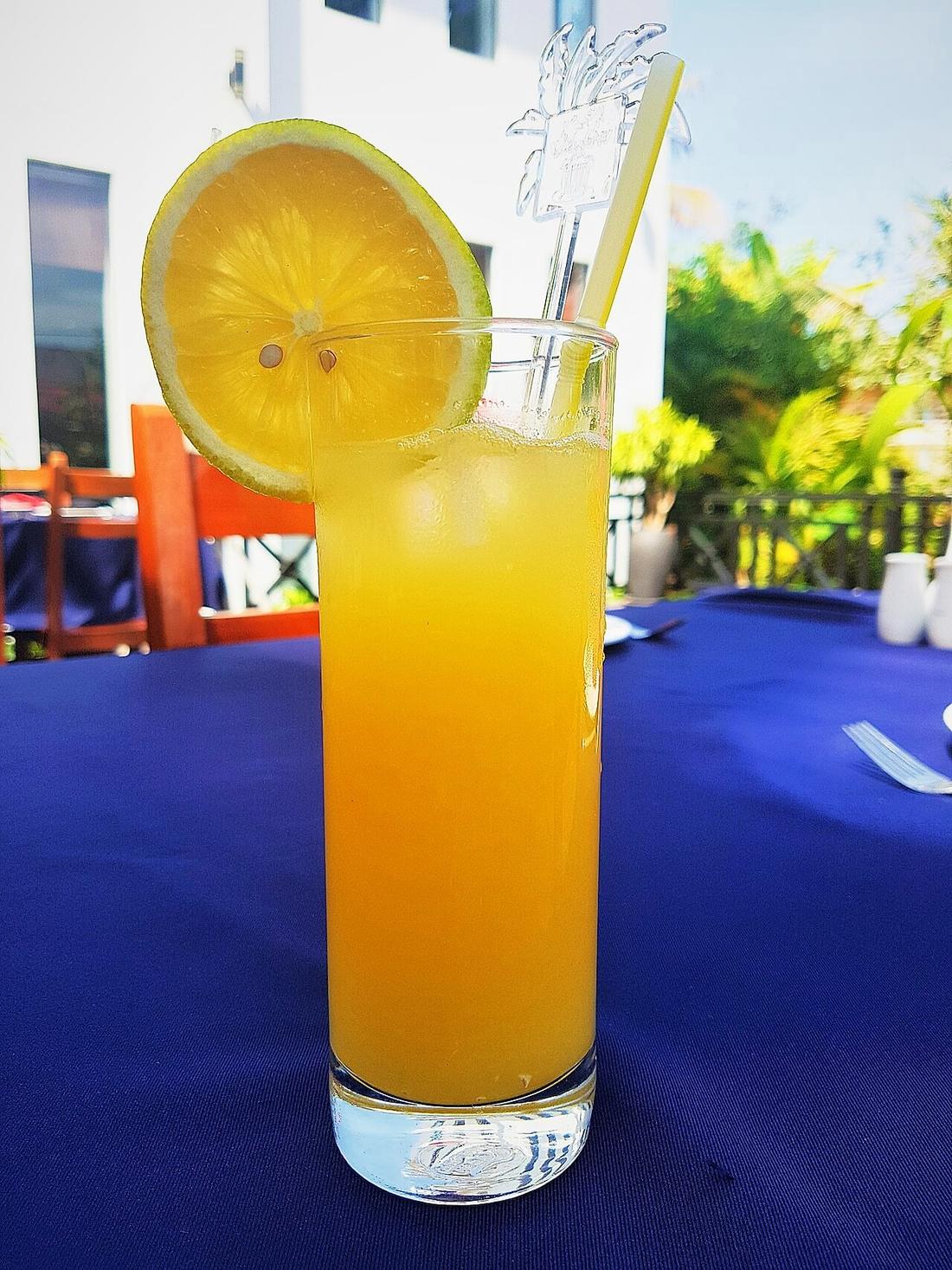
Beer, juice and palms. Swipe or use the arrows.
 1/4
 2/4
 3/4
 4/4
Drinks are half a meal. These guides cover the dishes and the two big food cities.
 Cambodian foodThe hub: staples, flavours and how to eat
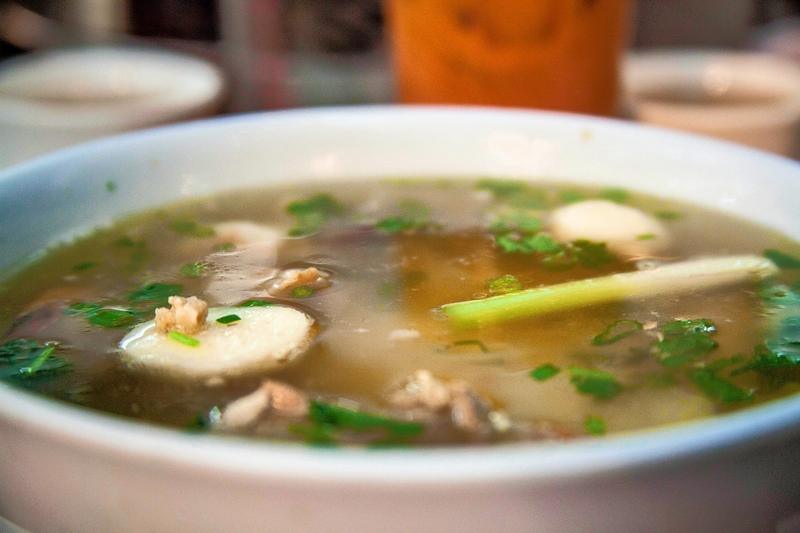 Khmer noodle soupRice noodles in a clear broth
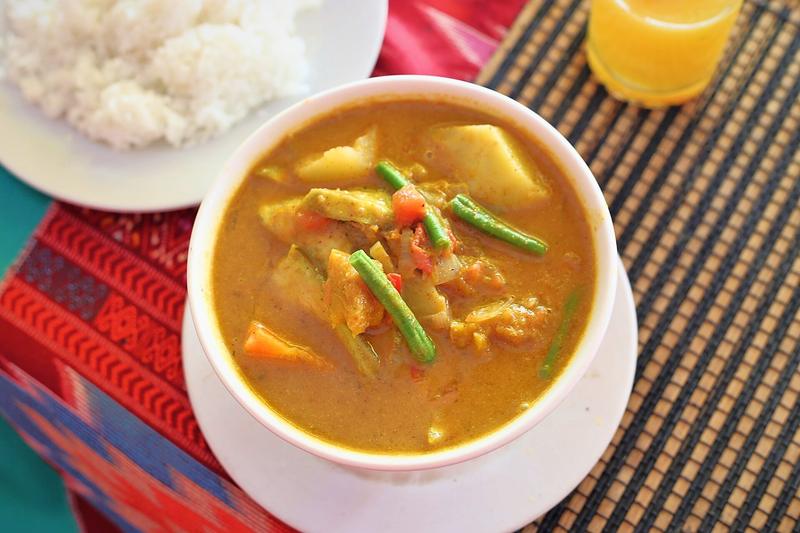 Cambodian curryKhmer curries and stews
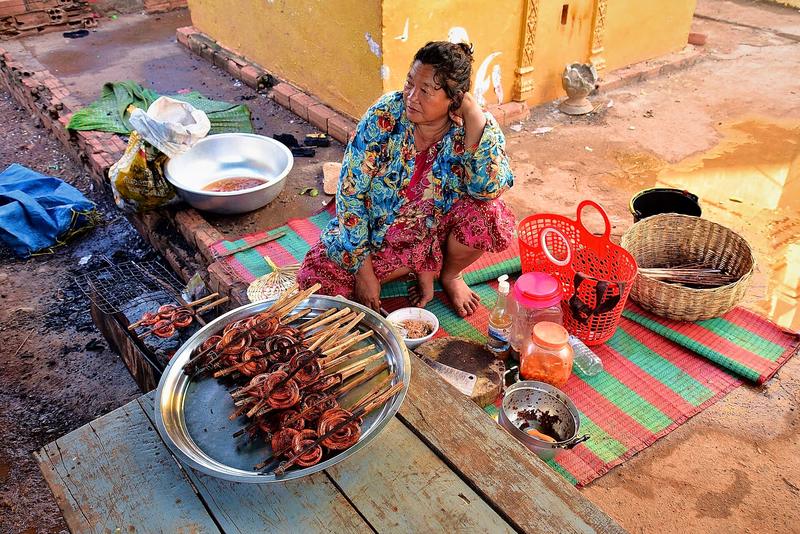 Cambodian street foodWhat street stalls sell and how to eat there
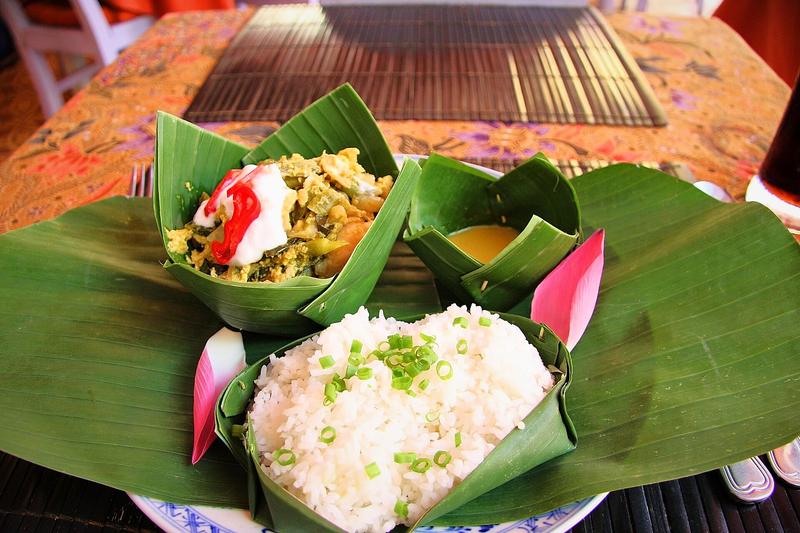
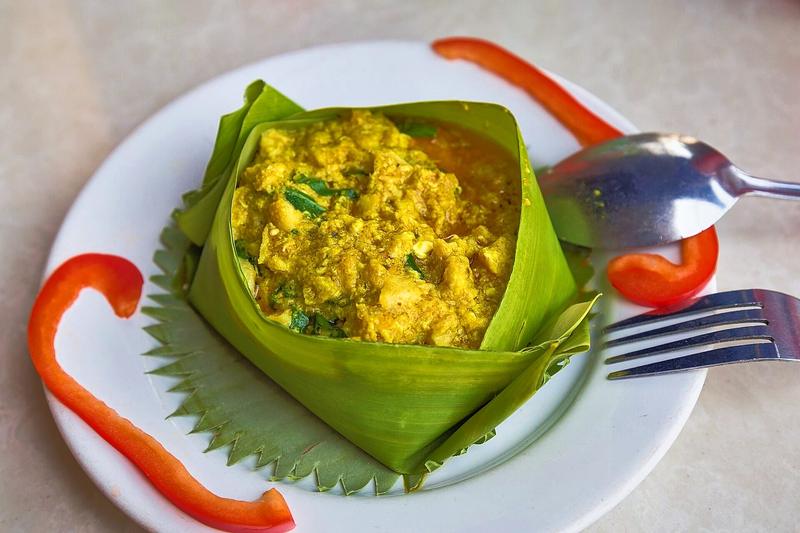 Fish amokFish curry steamed in banana leaf
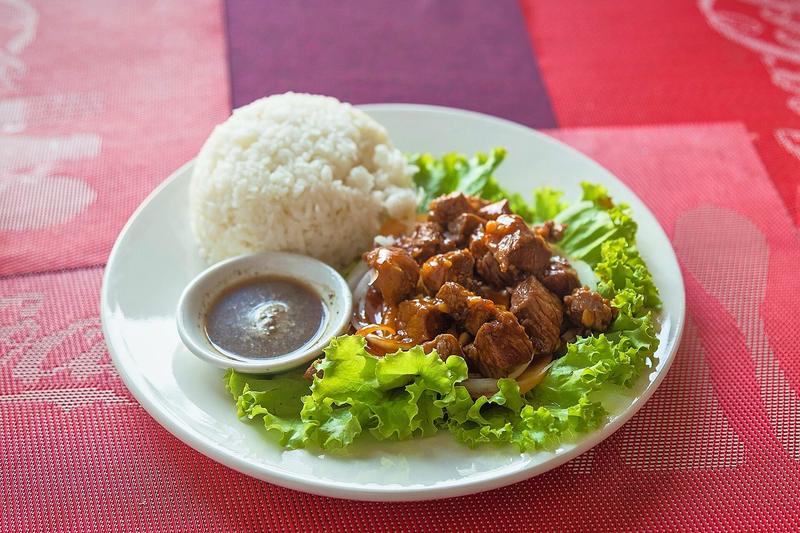 Lok LakPepper-marinated beef with rice
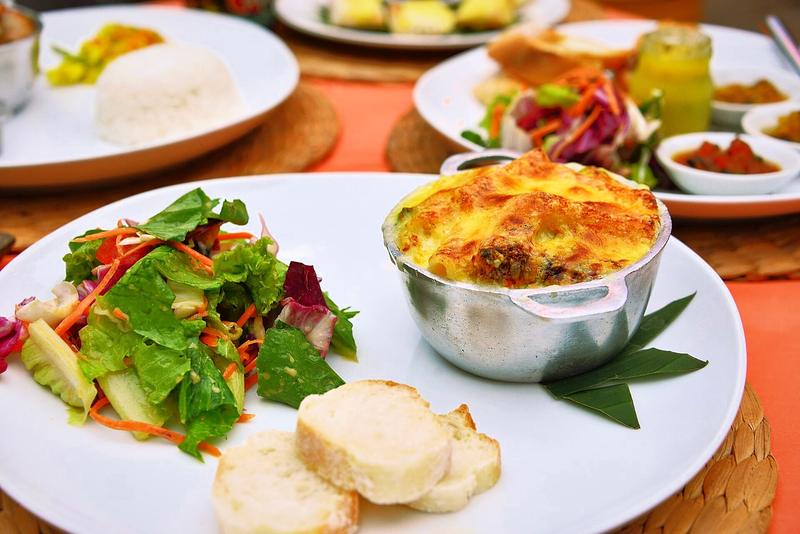 Siem Reap foodWhere to eat in Siem Reap
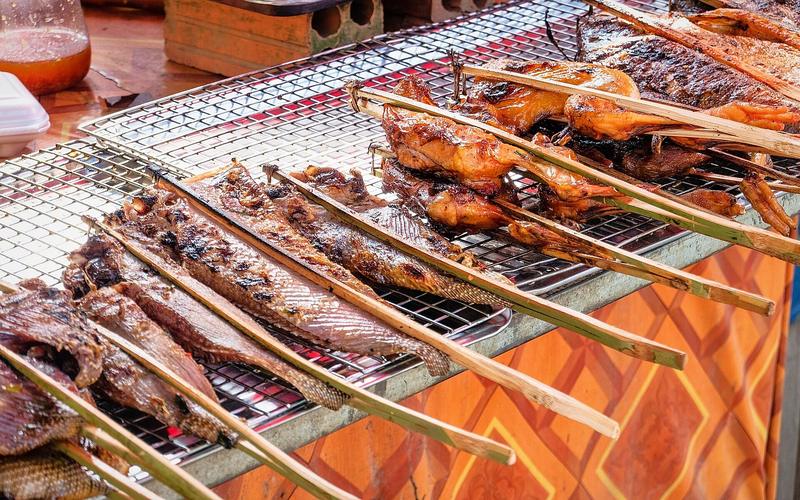 Phnom Penh foodWhere to eat in Phnom Penh
Num banh chok →Khmer rice noodles with a fish-based gravy
Yes. One guide calls Angkor Beer the most widely consumed beer in Cambodia. It is brewed at the Cambrew Brewery in Sihanoukville, is named after the Angkor temples near Siem Reap and is 5% alcohol by volume, per a guide.
One guide says Cambodian coffee is usually served with sweetened condensed milk rather than black. Coffee and condensed milk are among the French culinary adoptions in Khmer cuisine.
Some of it. A news report says Cambodia produced 1,333 tonnes of coffee in 2025 from 563 hectares, in Mondulkiri, Ratanakiri, Pursat, Pailin and Tboung Khmum, and imported about 12,000 tonnes of green coffee beans. One guide says more than 90% of coffee in Cambodia is imported.
A drink made by fermenting boiled, dried rice with a natural starter, per a guide. The same guide says low-quality home-made rice wine has occasionally caused methanol poisoning.
The CDC says drinks from unopened, factory-sealed bottles or cans are safer than tap water, and that untreated water can carry germs that make you sick. Its Yellow Book says safe bottled water is readily available and to check that the seal is unbroken. The CDC also says not to use ice in destinations with limited access to clean water.
Sugarcane juice is a popular street drink, pressed from stalks with a special machine. One guide says raw sugarcane can carry diseases such as leptospirosis if not properly cleaned, so the cleanliness of the stall matters.
Travellers report prices from Phnom Penh. A resident reported Americanos cost about USD 1.50-2 in coffee shops in 2026, and a traveller reported sugarcane juice at 3,000 riel (USD 0.75) in 2026. Treat both as single reports and check the menu.
The CDC says travellers should at the very least be protected against hepatitis A and typhoid fever. Ask a doctor or travel clinic about your own case.
The FCDO says police report drink spiking in some bars visited by foreign nationals. Its advice is not to leave drinks unattended.