Hepatitis A
CDC recommends it for unvaccinated travellers aged one or older. It spreads through contaminated food and water.
Home › Cambodia travel tips › Health
Cambodia health guide · vaccines, malaria, water
For a city-and-temple trip, malaria is not the main issue: CDC puts transmission at negligible in Phnom Penh, Siem Reap and Angkor Wat. The decisions that matter are hepatitis A, typhoid, a rabies plan and insurance that covers medical evacuation. FCDO says to get vaccines at least 8 weeks before the trip.
By Laura Brennan · updated
Start with hepatitis A and typhoid, check hepatitis B and MMR, and see a travel clinic at least 8 weeks out (FCDO).
CDC recommends it for unvaccinated travellers aged one or older. It spreads through contaminated food and water.
CDC and TravelHealthPro both recommend it for most travellers. CDC notes it is not 100% effective, so food habits still count.
CDC recommends it for unvaccinated travellers younger than 60. TravelHealthPro puts prevalence in Cambodia at intermediate or high.
CDC says all international travellers should be fully vaccinated against measles, and to be up to date on routine vaccines before every trip. TravelHealthPro: most travellers should have completed a tetanus course under the UK schedule, and infants from 6 months who will mix with local people should have MMR.
CDC says to ask a clinician about pre-exposure vaccination, since rabid dogs are commonly found in Cambodia. Steps after a bite are below.
CDC does not recommend Japanese encephalitis for short-term urban trips; TravelHealthPro says it occurs countrywide, peaking May to October. Yellow fever: no risk in Cambodia. A certificate is required only if you arrive from a country with yellow fever risk (CDC: travellers aged one or older). CDC also advises eligible travellers to be up to date on COVID-19 vaccines.
Not in the cities. Wording differs by source, but all point the same way: city and temple stops carry little or no malaria risk.
TravelHealthPro rates Cambodia low risk overall, says mefloquine resistance is widespread in the western provinces bordering Thailand, and says Phnom Penh has no malaria risk. One guide calls Phnom Penh malaria-free and Siem Reap and Angkor Wat virtually malaria-free. If you plan forest or remote trekking, ask a clinic about tablets. The same guide warns that fake antimalarials are a problem.
CDC: a fever during, or up to a year after, travel in a malaria area needs immediate medical attention. Bite avoidance is still advised everywhere.
Dengue, not malaria, is the bite risk for city trips. One guide calls it the biggest disease worry.
Right now
CDC lists Cambodia among destinations with higher than usual dengue cases. TravelHealthPro: 28,074 cases and 38 deaths reported in 2026 as of 12 July 2026.
When
A CDC study found outbreaks fall in May to October, usually bottoming out in February and peaking in July.
Where
TravelHealthPro: the mosquitoes that spread dengue are more common in towns, cities and surrounding areas.
Use repellent. CDC advises 20% or more DEET.
Mind the daytime. TravelHealthPro: chikungunya mosquitoes bite mainly in daytime hours; CDC generally does not recommend chikungunya vaccination.
Ask about Qdenga. TravelHealthPro says it may be considered for people who have not had dengue before. Severe dengue is rare in travellers.
Pregnant? CDC: Zika spreads by mosquito bite and an infected pregnant woman can pass it to her unborn baby.
Rabies is a real risk but preventable with prompt treatment after a bite, so know the steps before you need them.
CDC says rabid dogs are commonly found in Cambodia and to ask a clinician about pre-exposure vaccination. TravelHealthPro (NHS) also considers rabies a risk.
One guide says aggressive dogs can be a problem, especially in rural areas and at night.
Prompt post-exposure treatment prevents rabies. CDC says vaccines are typically available throughout most of Cambodia; one guide advises heading to Phnom Penh immediately for a shot within 24 hours.
Per the official schedule, the shortened post-exposure course is three sessions on days 0, 3 and 7 over a week. A clinic will confirm your schedule.
Institut Pasteur du Cambodge treats nearly 26,000 people a year bitten by potentially rabid animals.
No tap water. Intrepid advises avoiding it and Wikivoyage says it is generally not drinkable. Choose sealed bottles and hot, freshly cooked food.
Sealed only. CDC: drinks from unopened, factory-sealed bottles or cans are safer than tap water.
Phnom Penh supply. One guide says it is claimed to be potable but few people trust it.
Ice. One guide says factory ice may use treated water but cannot be regarded as safe, and that ice cubes are safer than ice chipped from a block.
Food. CDC advises food cooked and steaming hot. Its general rule is to avoid street vendors, and to follow normal food-safety rules if you do eat there.
Hands. CDC says safe food and water habits, including handwashing, help prevent typhoid. Hepatitis A and typhoid both spread through contaminated food and water.
Fresh water. CDC warns schistosomiasis is found in Cambodia: avoid swimming in fresh, unchlorinated water, and avoid floodwater, soil and mud after heavy rain.
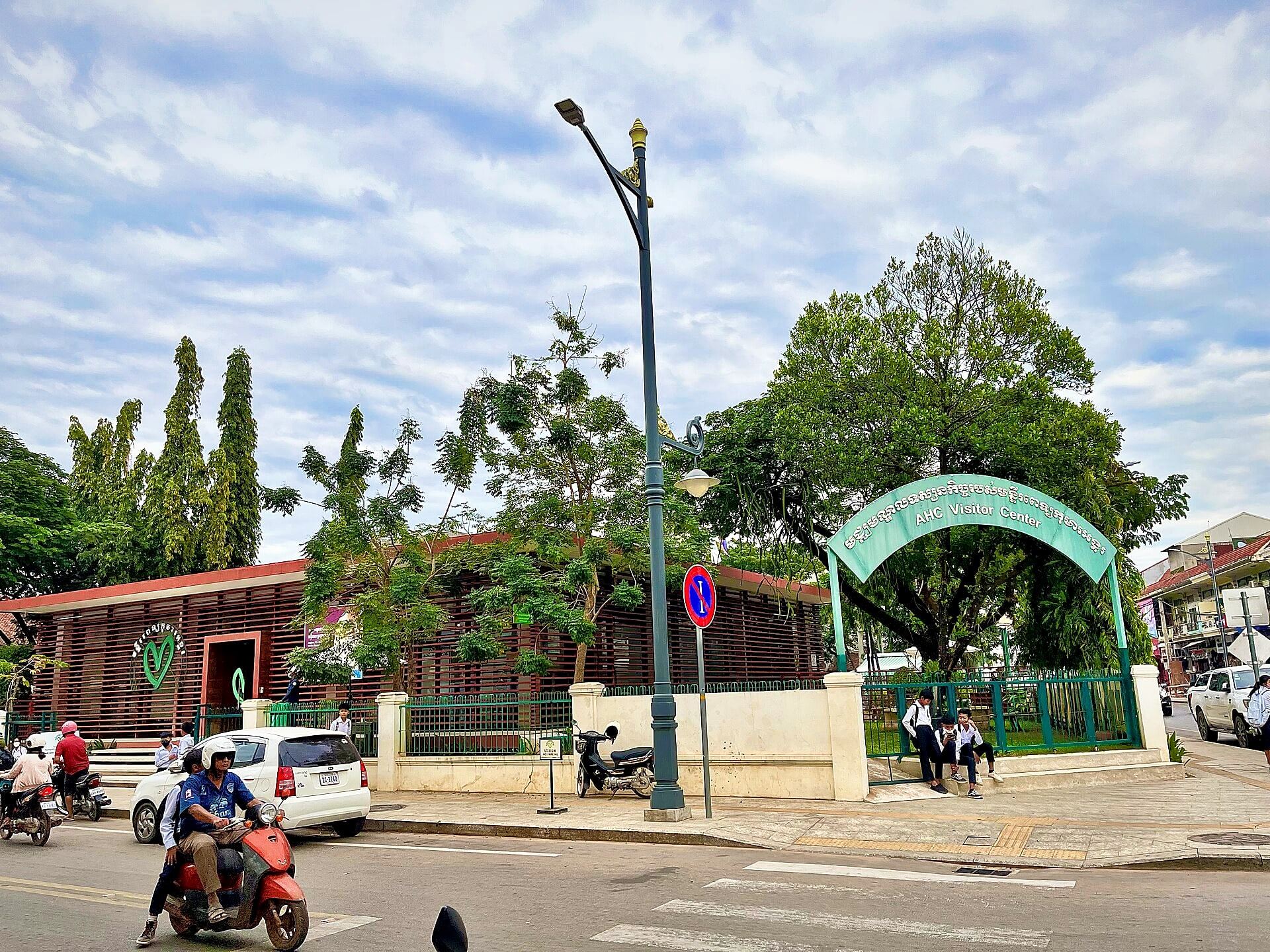
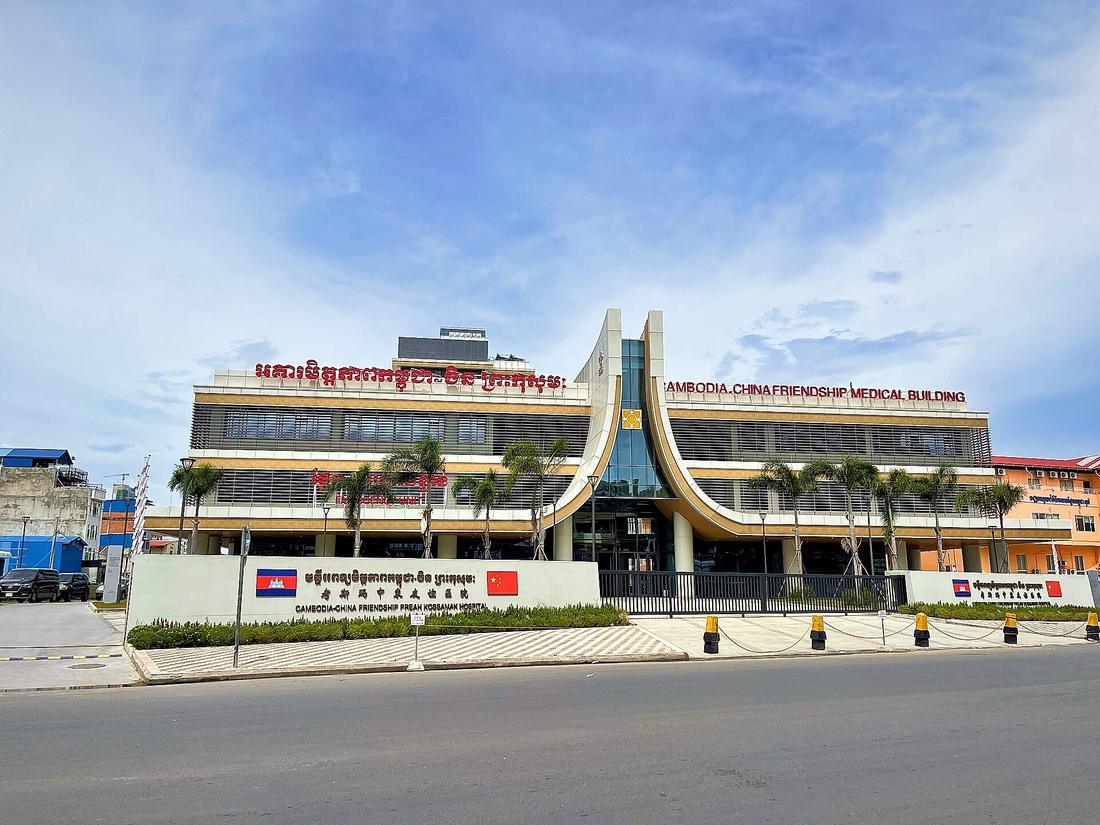
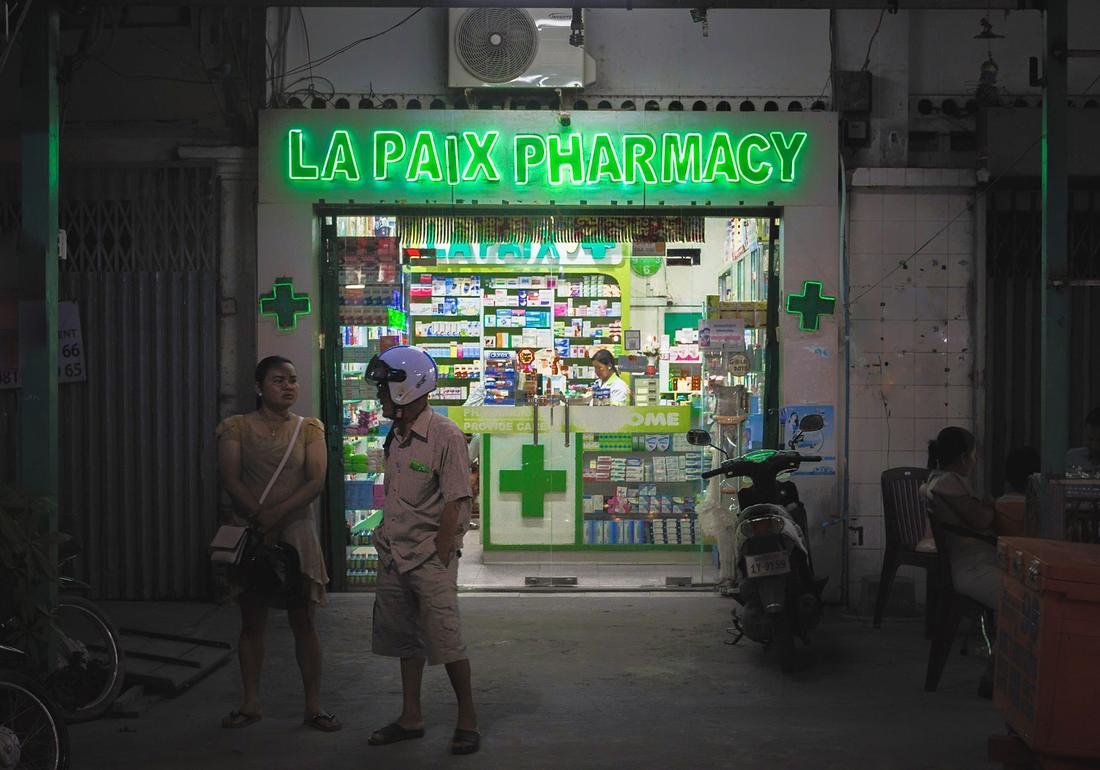
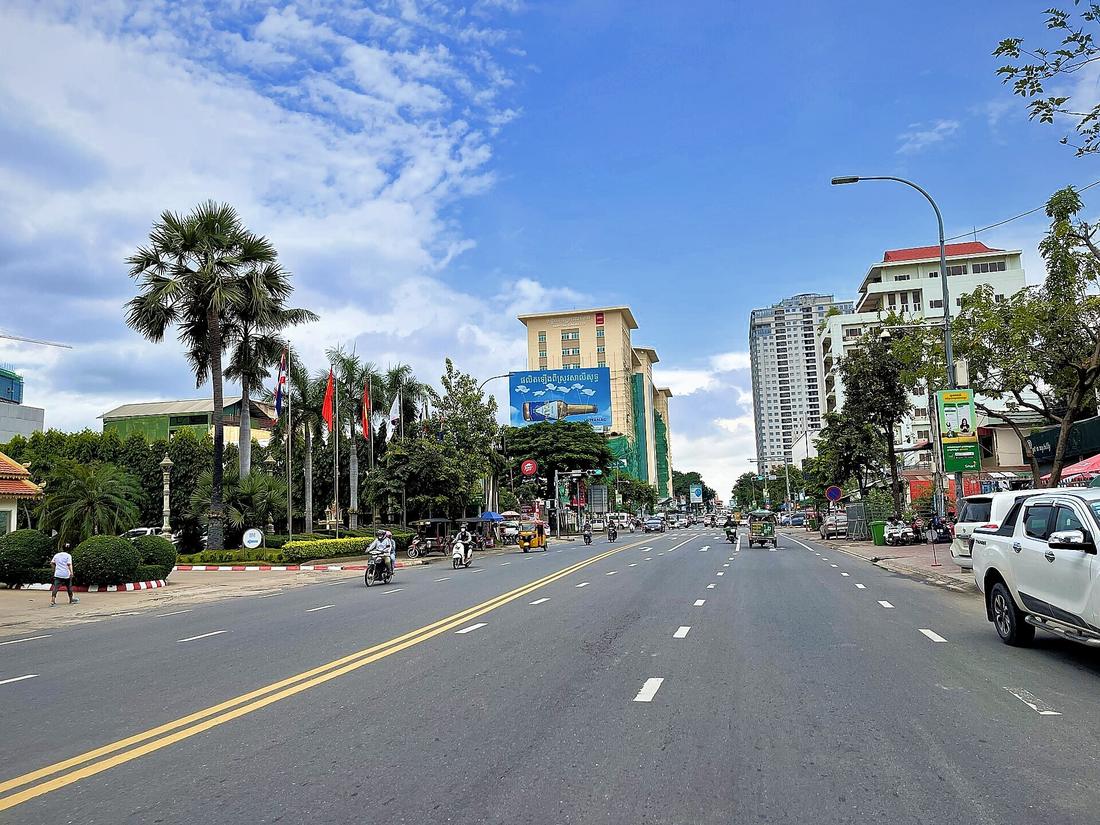
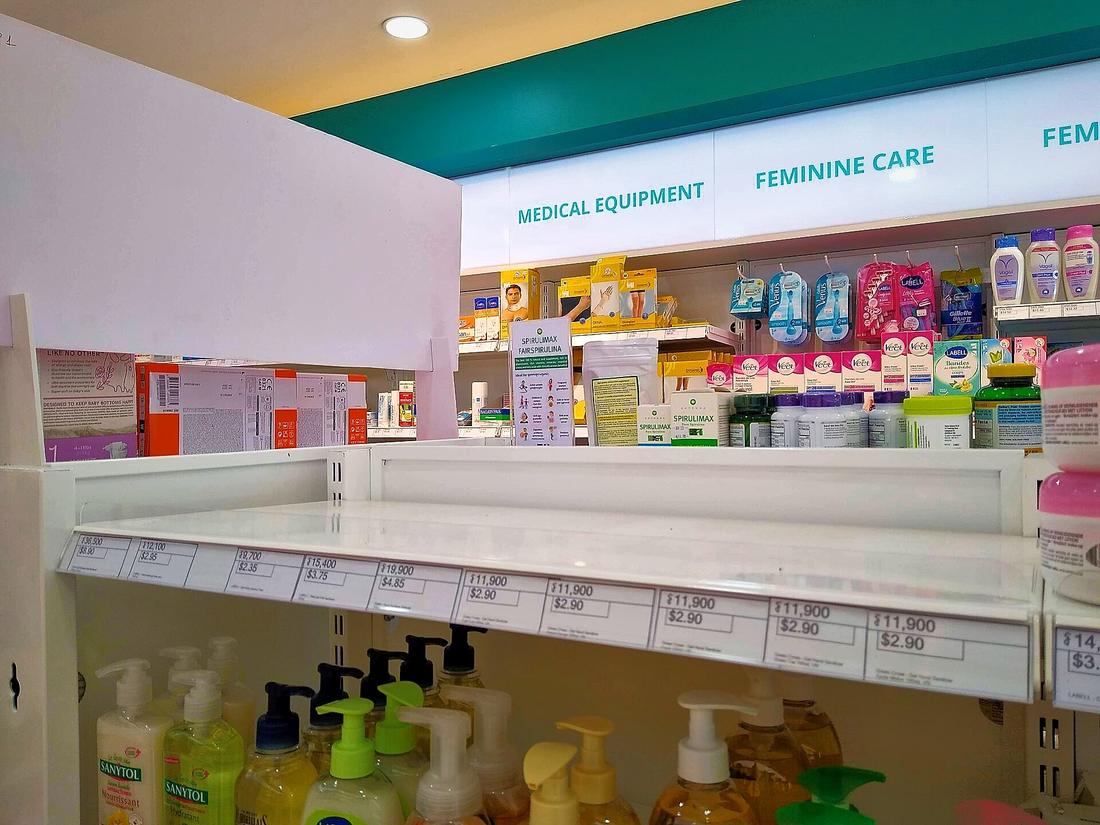
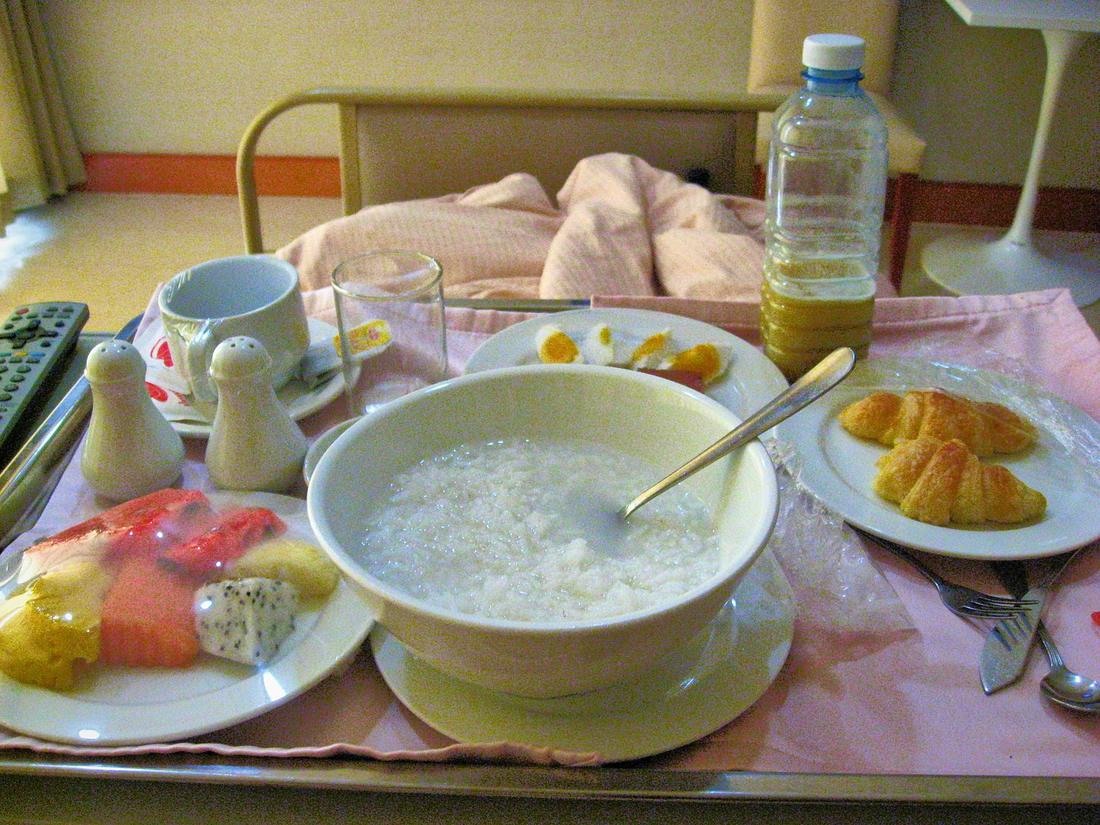
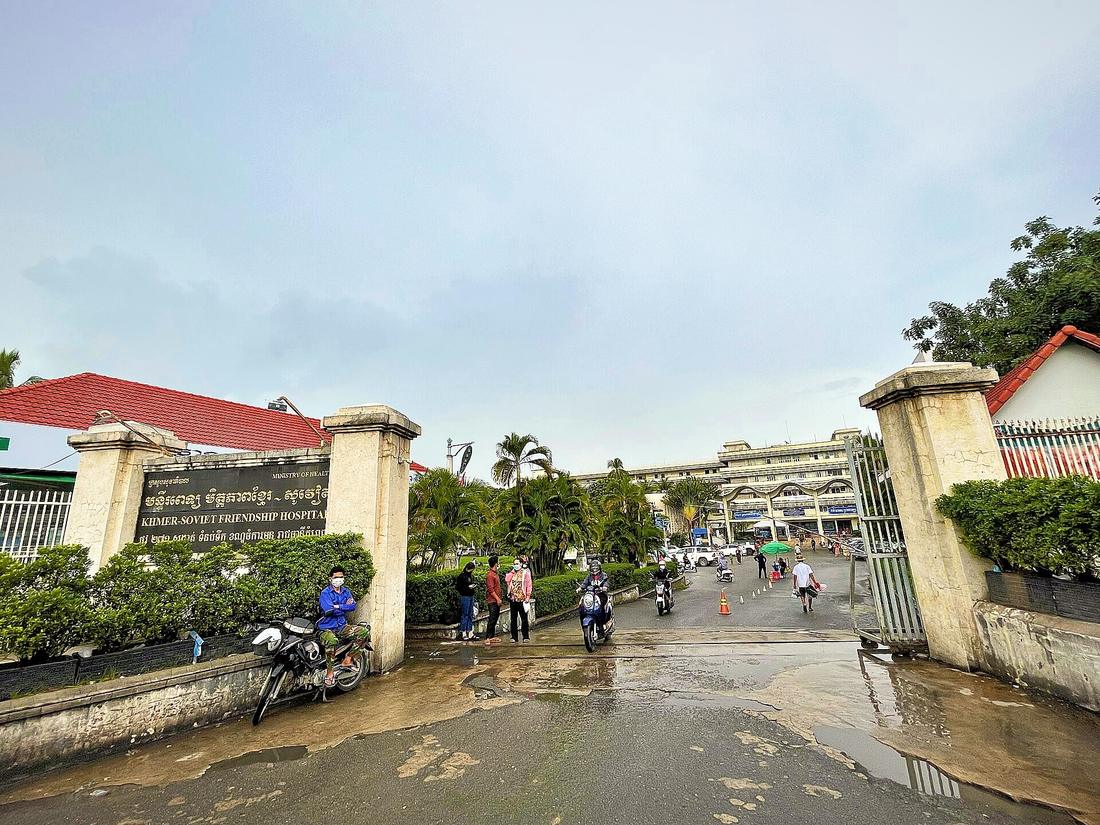
Health-care frontages in Cambodian cities. Swipe or use the arrows.
 1/6
 2/6
 3/6
 4/6
 5/6
 6/6
Yes, include medical evacuation. The Australian Embassy says there is no free public healthcare for foreigners.
Official advice
FCDO says cover should include local treatment and unexpected medical evacuation. CDC suggests travel health and medical evacuation insurance.
Cost
The Australian Embassy says care can be costly if you are uninsured.
Where to
Canada says evacuation to Thailand or Singapore is often needed because facilities are poor and very limited.
If you are referred for treatment, FCDO says to contact your insurer quickly. The Australian Embassy lists International SOS for emergency evacuation, escorts and insurer coordination, and Hayati Care for repatriations including fit-to-fly assessments.
Know two names before you land: one in Phnom Penh, one in Siem Reap. For emergencies dial 119 first. FCDO's list is not exhaustive and endorses none of its providers.
The Australian Embassy also lists Sunrise Japan and Intercare in Phnom Penh, and Angkor Hospital for Children and Neak Tep Hospital in Siem Reap. One guide names Royal Phnom Penh Hospital and Royal Angkor International Hospital as the only two run to Western standards.
FCDO adds that the legal status and regulation of some medicines can differ abroad from the UK; check your own prescriptions before you fly.
 Cambodia travel tipsThe hub for practical advice before you go
 Cambodia packing listClothes, plugs and season gear
 Cambodia currencyHow dollars and riel are used day to day
 Cambodia visaEntry rules for visitors
 Is Cambodia safe?Safety and emergency basics
Khmer language →Useful Khmer words and phrases
 Cambodian cultureCustoms and manners for visitors
CDC recommends hepatitis A for unvaccinated travellers aged one or older, typhoid for most travellers, and hepatitis B for unvaccinated travellers younger than 60. It also asks every international traveller to be fully vaccinated against measles with the MMR vaccine. A travel clinic decides your own list.
CDC says malaria transmission is negligible in Phnom Penh and Siem Reap, with risk in rural and forested pockets. TravelHealthPro adds that mefloquine resistance is widespread in the western provinces bordering Thailand.
TravelHealthPro says there is no yellow fever risk in Cambodia, but a certificate requirement applies. CDC words it as required for travellers aged one or older arriving from countries with risk of yellow fever transmission.
No. Intrepid advises avoiding tap water, and Wikivoyage says it is generally not drinkable. CDC says drinks from unopened, factory-sealed bottles or cans are safer than tap water.
CDC says rabid dogs are commonly found in Cambodia and to ask a clinician about pre-exposure vaccination. Rabies is preventable with prompt post-exposure treatment, so after any bite go to a clinic quickly.
TravelHealthPro says Qdenga vaccination may be considered for people who have not had dengue before. CDC does not generally recommend a chikungunya vaccine for Cambodia travellers; avoiding mosquito bites is the main defence for both.
FCDO says insurance should cover local treatment and unexpected medical evacuation, and CDC suggests travellers consider travel health and medical evacuation insurance.
FCDO's health page says to dial 119 and ask for an ambulance.
No. The Australian Embassy says there is no free public healthcare in Cambodia for foreigners, and care can be costly if you are uninsured.
CDC does not recommend it for short-term travel to urban areas. TravelHealthPro says the disease occurs countrywide, with a seasonal peak from May to October.