Home › Cambodian food › Cambodian curry
Khmer curries and soups
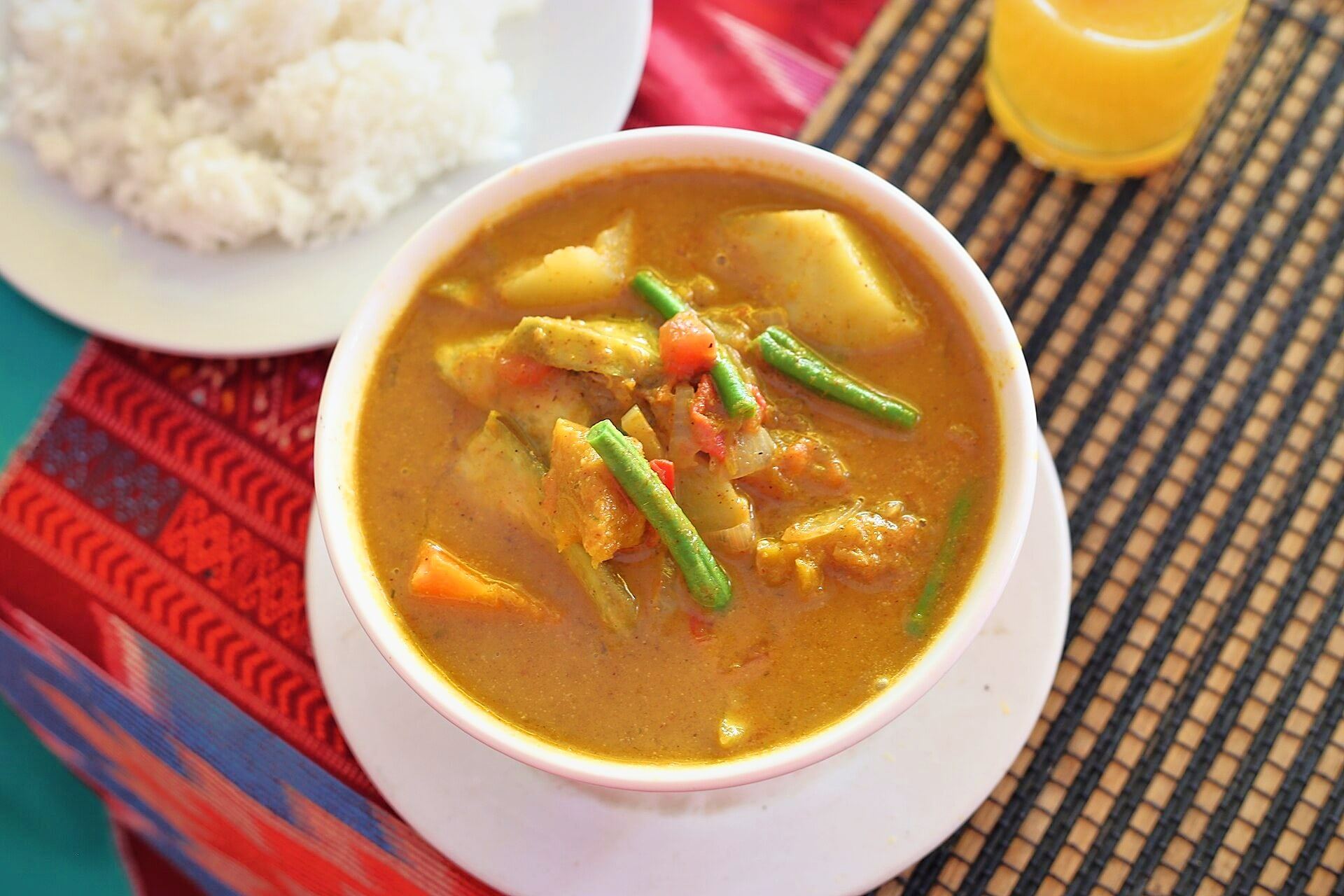
Cambodian curry: what the menu means by curry and samlor
Cambodian curry is a loose label, not one dish. Fish amok is the steamed, coconut-cream fish curry; samlor covers the wider family of stews, curries and soups. Many of them start from kroeung herb paste; some also contain prahok.
By Laura Brennan · updated
What is Cambodian curry? Four words to know
- Amok
- A steamed fish curry with a mousse-like consistency. One guide says it is considered one of Cambodia's national dishes.
- Samlor
- Stews and curries. The word covers a wide variety of them, and it is a staple.
- Kroeung
- The paste. One guide says it is to Cambodian cuisine what Thai curry paste is to Thai food.
- Prahok
- The funk. A fermented fish paste that, per one guide, flavours almost every Khmer dish.
Which Khmer curry or soup should I order?
Ask for fish amok if you want a curry, and samlor kako if you want a soup. Both are national-dish territory; the rest depends on what you eat.
You want a curry
Fish amok
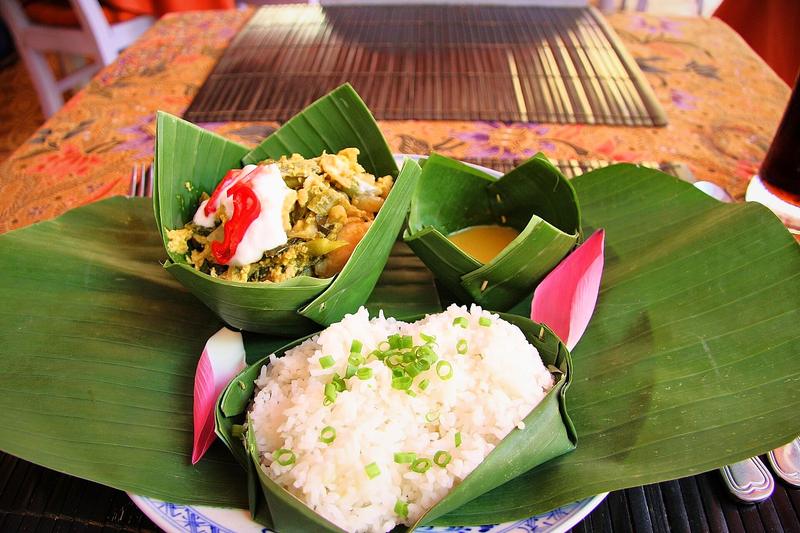
Steamed fish curry, set to a mousse-like texture and made with fresh kroeung and coconut cream. It is considered one of Cambodia's national dishes.
Fish amok guideYou want a soup
Samlor kako
A traditional soup that the tourism ministry's site lists as a national dish.
Samlor kakoYou want it sour
Samlor machu
The Khmer term for a category of sour soups, soured with tamarind per one guide.
Sour soupsYou eat no meat
Ask, then order
Samlor kako can be made with coconut cream and vegetable stock instead of fish and meat.
Meat-free optionsYou want something different
Saraman curry
A Cham Muslim specialty, one guide says, related to Thailand's Massaman curry.
About SaramanGrouped by situation, not ranked.
What do Khmer pastes and dishes look like?
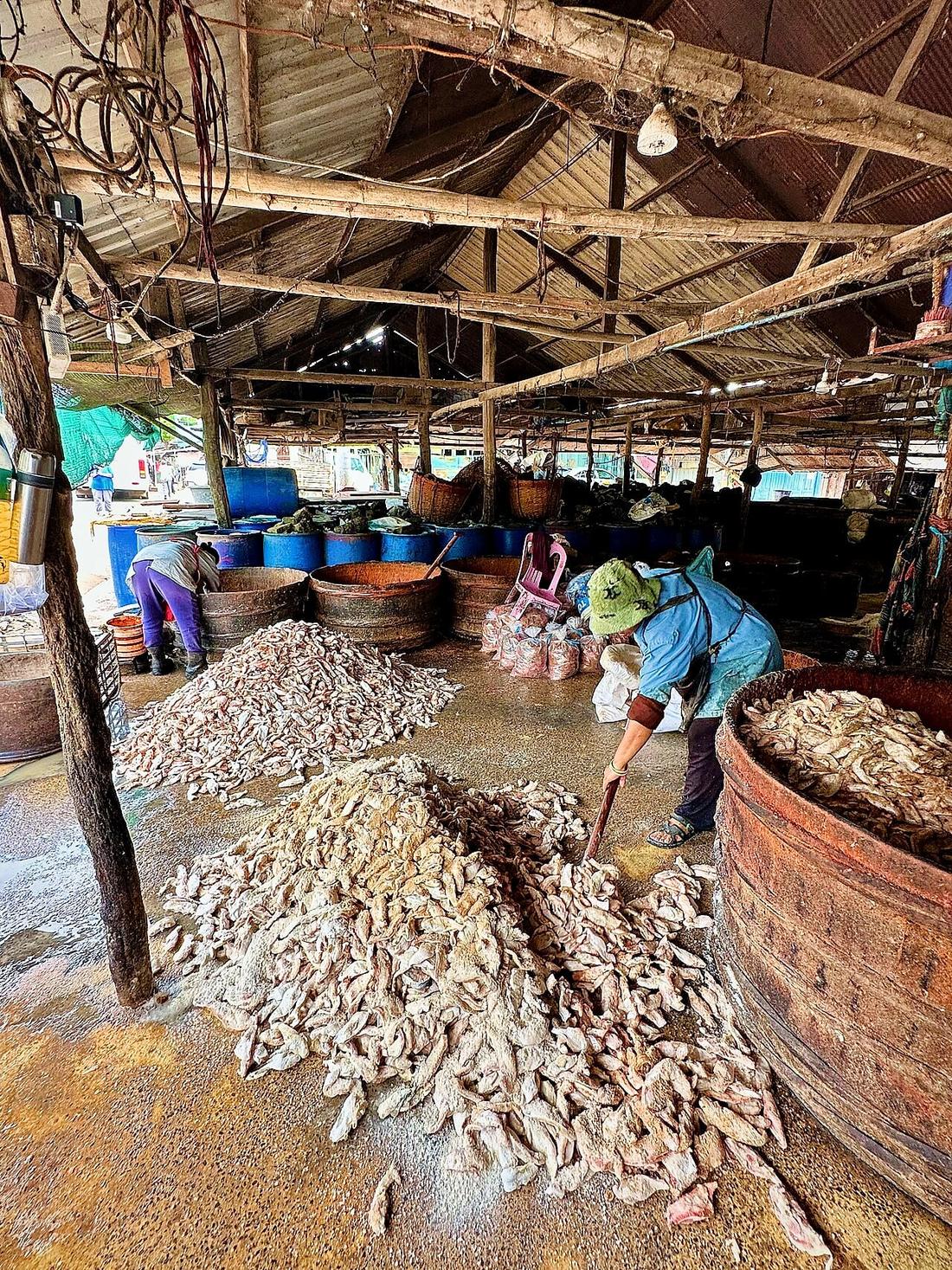
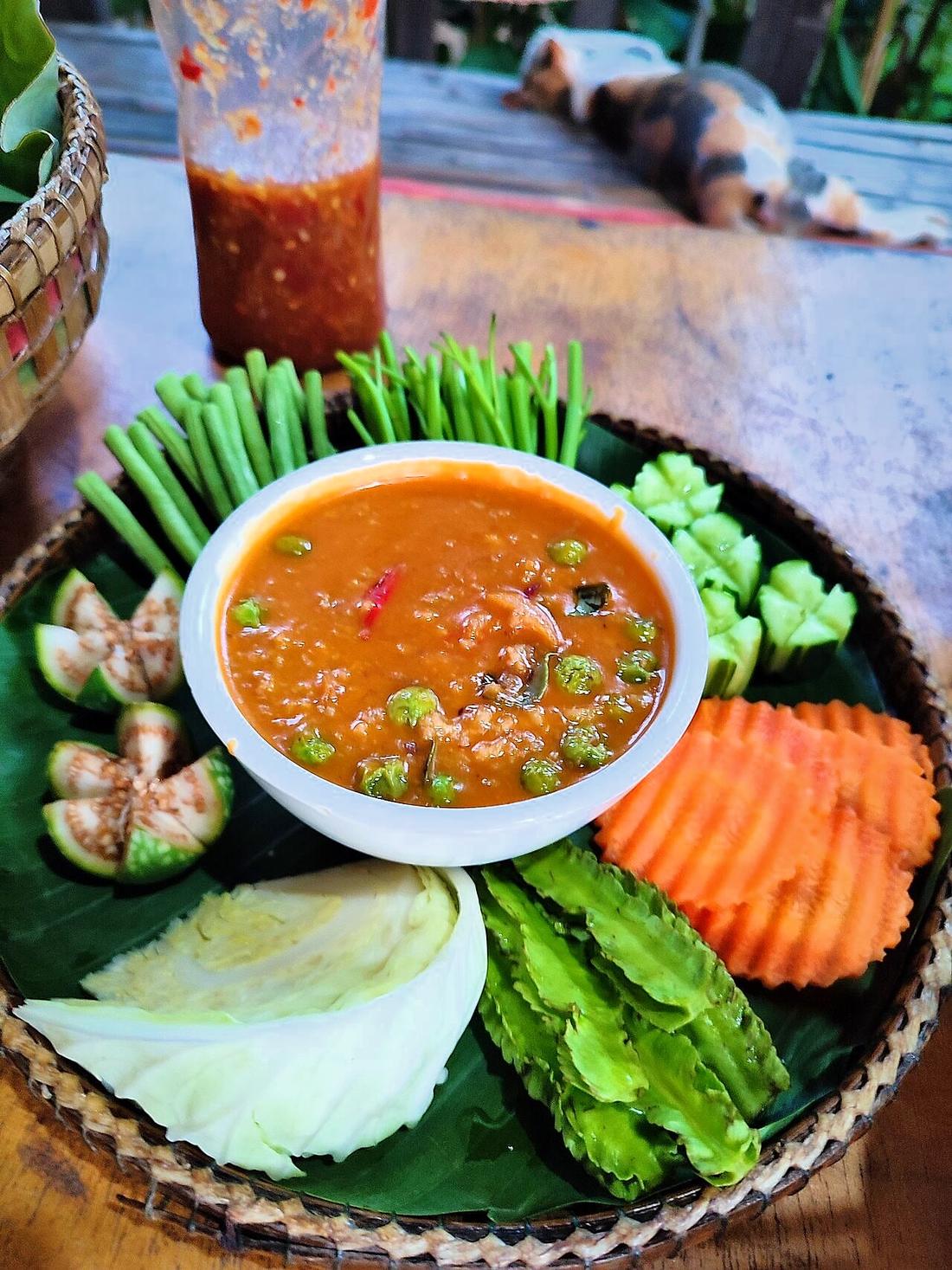
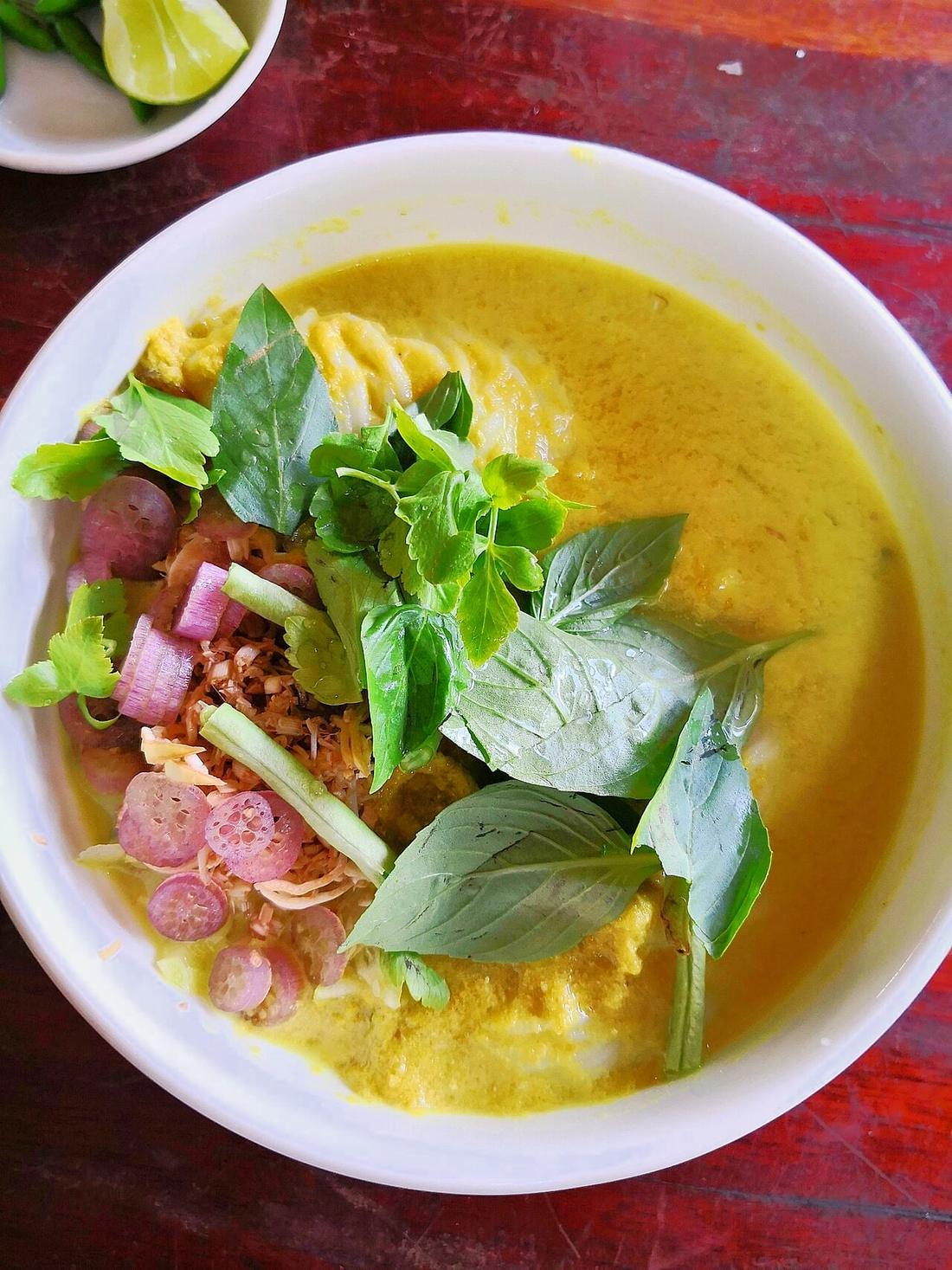
Prahok and a noodle bowl with curry-style gravy. Swipe or use the arrows.
 1/3
 2/3
 3/3
Is fish amok a curry, and what else counts?
Yes, it is a curry. Fish amok is a steamed fish curry, and curries are a named staple of the Khmer diet next to stir-fried vegetables, rice, noodles and soups.
The steamed one
Fish amok
Made with a freshly made yellow or green kroeung mixed with coconut cream, and steamed about 20 to 30 minutes until it reaches a mousse-like consistency. It is considered one of Cambodia's national dishes. Read the full fish amok guide.
The look-alikes
Chicken, tofu or beef
Many restaurants serve less traditional amok with chicken, tofu or beef instead of fish. One guide adds that some num banh chok has a red curry base of red kroeung and coconut milk.
More detail: how amok is wrapped
In amok the curry sits in a banana leaf container with great morinda leaves at the bottom, according to one guide.
What are samlor kako and samlor machu?
Samlor is the soup-and-stew side of the menu. Where amok is steamed, these are bowls of broth, vegetables and herbs.
Samlor kako
A traditional soup, one of the national dishes on the tourism ministry's list. One guide translates the name as stirring soup and compares it to French ratatouille or pot-au-feu. It contains green kroeung, prahok, roasted ground rice, catfish, pork or chicken, vegetables, fruits and herbs.
Samlor machu
One guide calls it a Khmer term for a category of sour soups, soured with tamarind, and the counterpart of Southern Vietnam's canh chua. The coconut milk version, samlor machu ktis, is made with pork and pineapple.
Samlor prorhal
A traditional Khmer dish, the tourism ministry says, often prepared at home and usually eaten at lunchtime.
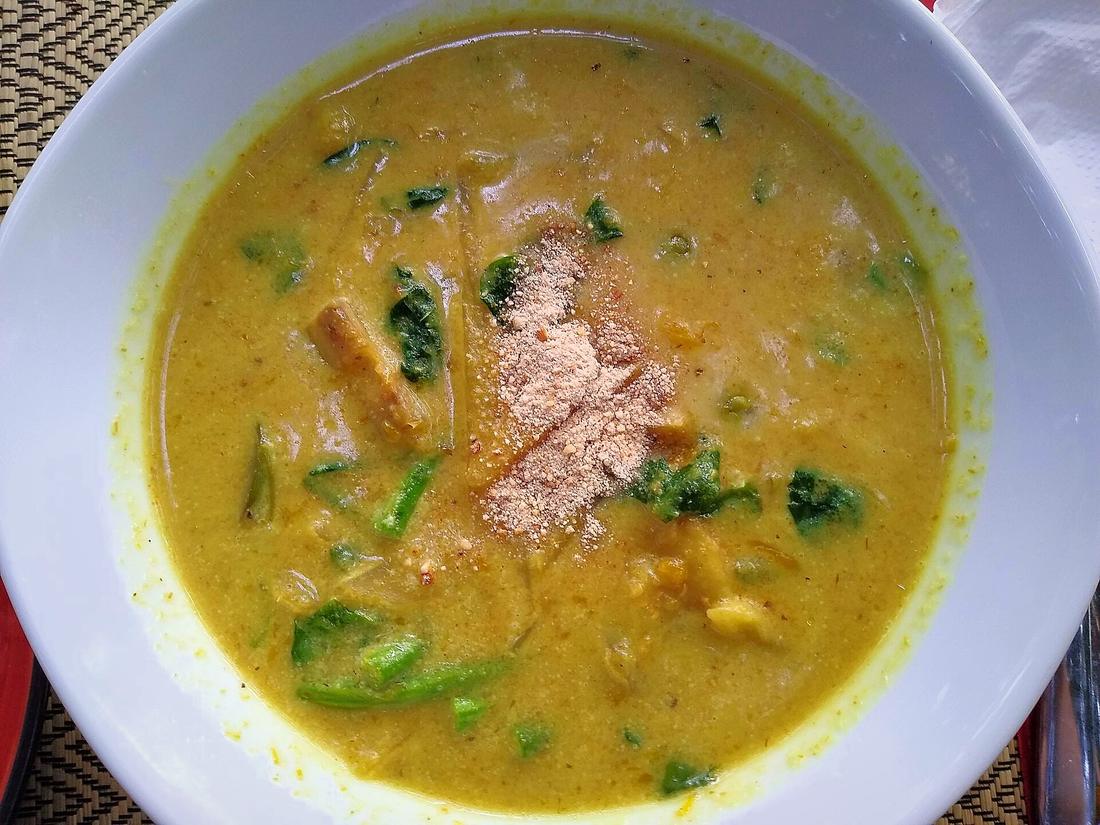
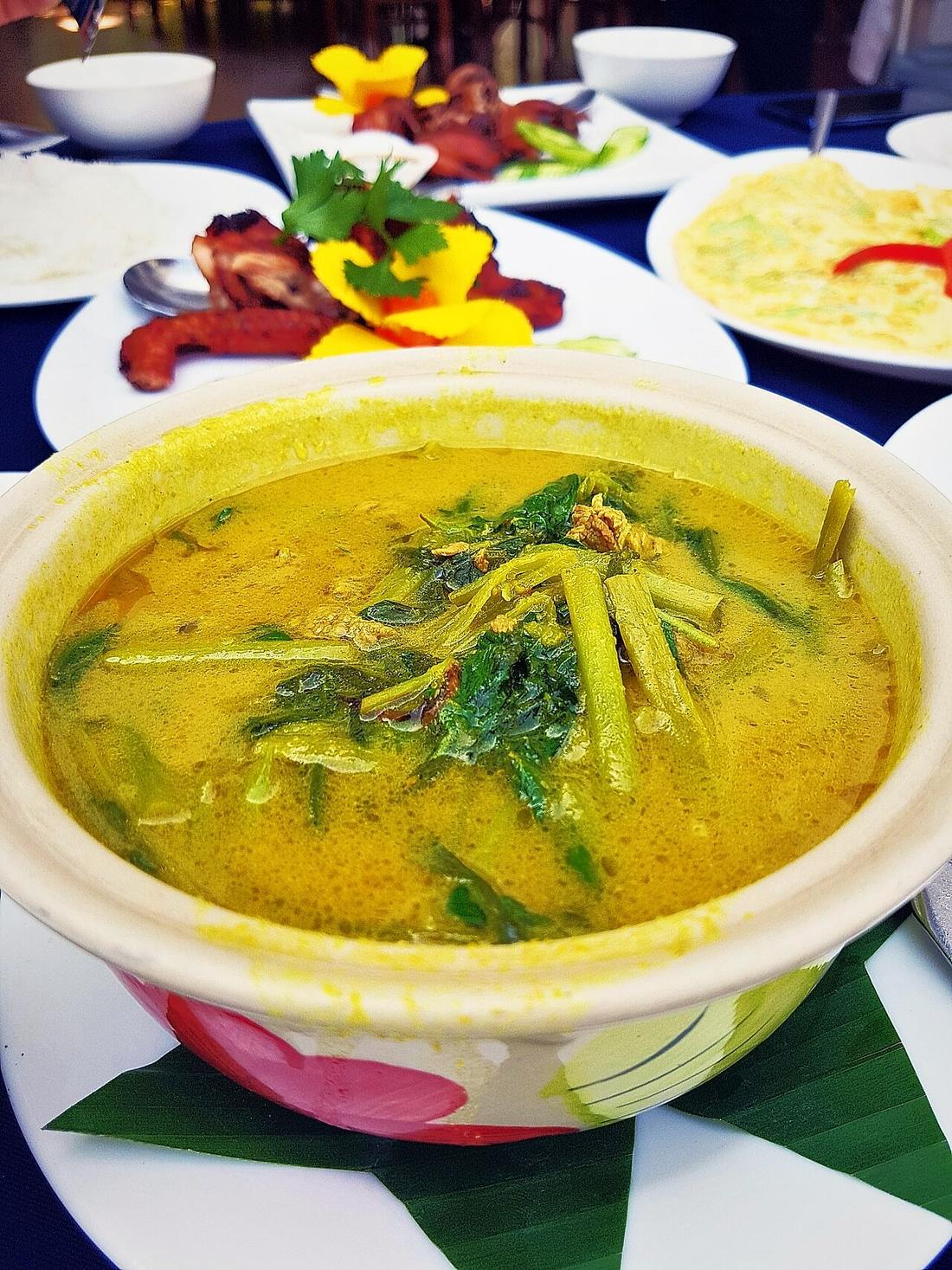
More detail: the sparrow legend and swaps
In one guide's folk legend of samlor kako, the king adds toasted rice left out for sparrows. One cookbook suggests Cornish hen, free-range chicken or quail instead of catfish. The tourism ministry says a bowl of Khmer sour soup leaves just enough room for dessert.
What is kroeung, and where will I meet it?
Kroeung is the base. The word covers several spice and herb pastes behind many Khmer dishes.
The usual core
Lemongrass, makrut lime zest and leaves, galangal and turmeric are the most common ingredients. Wikipedia says there are five common types of kroeung; the three below are the ones this page covers.
Yellow, green, red
Turmeric is the main colouring ingredient of yellow kroeung, which one guide says is used often in common everyday dishes. Red kroeung gets its deep colour from dehydrated chili pods that add very little flavour. One guide says the yellow, green and red pastes are commonly used for stuffings, soup and stir-fry.
Pounded by hand
Traditionally it is chopped finely and ground with a heavy mortar and pestle. One guide says royal kroeung is fairly standardized, unlike the individual pastes made for particular dishes.
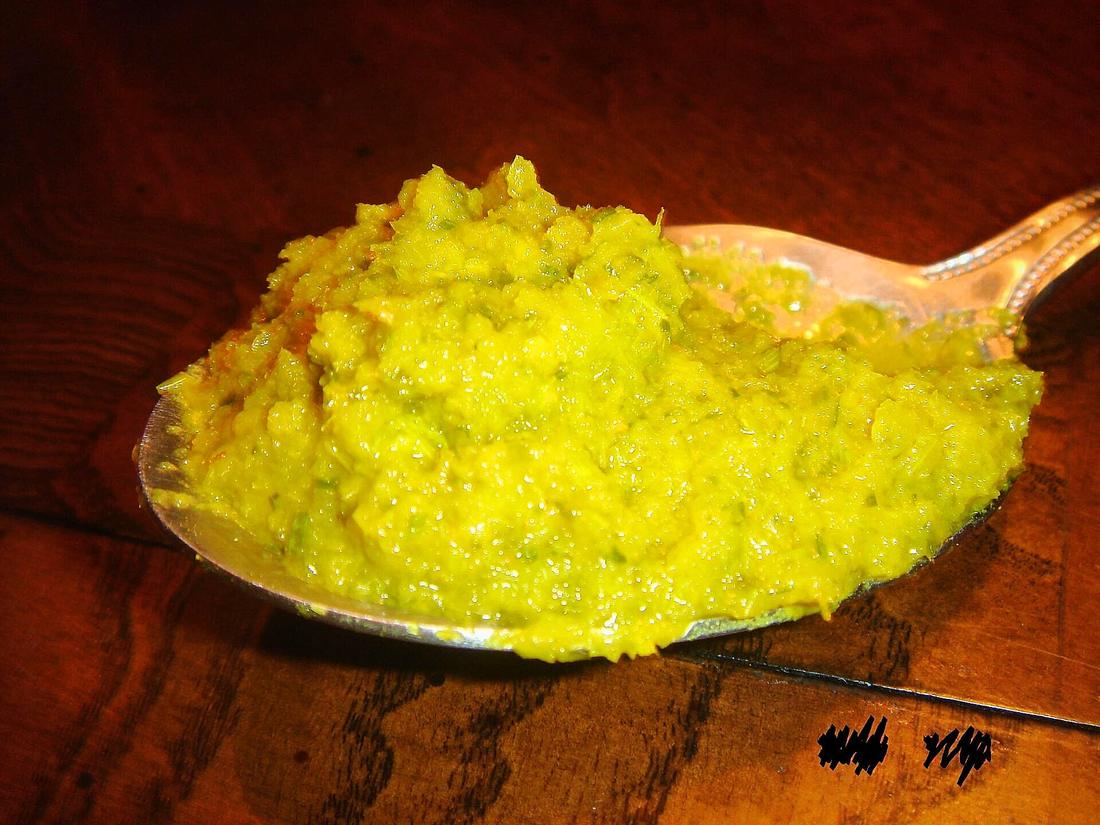
More detail: spices and the kroeung dip
One guide says Indian merchants introduced many spices to Khmer cuisine around the 2nd century. A kroeung version with prahok (no cinnamon) is called teuk kroeung and is a dip for fresh or blanched vegetables.
What is prahok, and will I run into it?
Probably, yes. Prahok is a salted, fermented fish paste, usually mudfish, used as a seasoning or condiment.
Strong by description
The Ministry of Tourism describes it as a strong fermented fish paste used in a variety of traditional dishes. One guide says it smells like Limburger or ripe Camembert and nicknames it Cambodian cheese.
How it is made
One guide says fermentation typically lasts about one month. One guide has the fish mixed with coarse salt about 30 minutes and sun-dried for a day before pounding, with the liquid from fermentation removed daily and used as fish sauce.
How it is eaten
Mixed with rice or served as a dipping sauce, so, one guide says, it flavours almost every Khmer dish. Raw prahok mixed with lemongrass, lime juice and peppers serves as a dip for vegetables and fruit. In rural Cambodia plain prahok is commonly eaten with steamed rice.
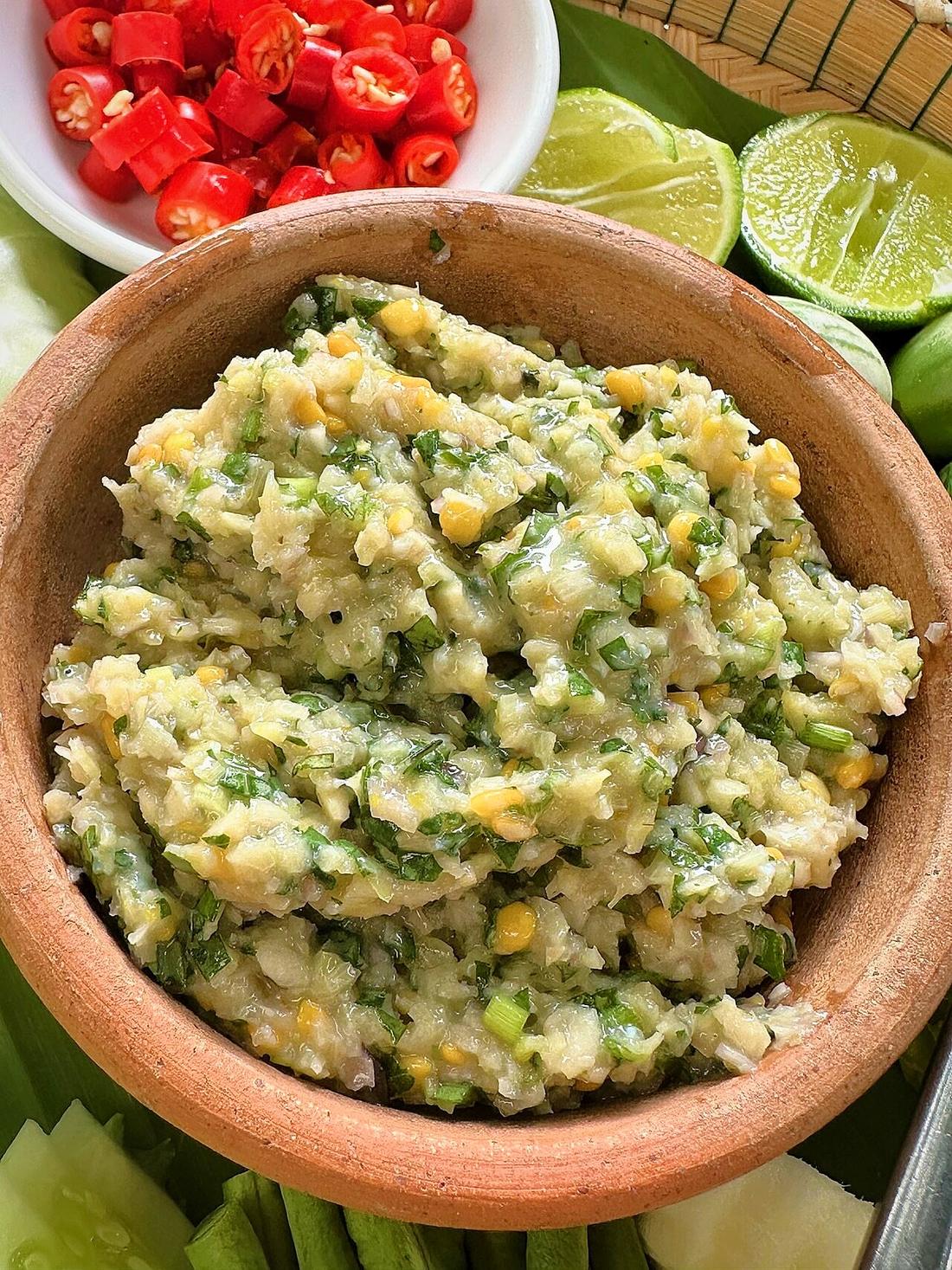
More detail: why prahok exists
Prahok originated as a way of preserving fish, and one guide cites the saying "No prahok, no salt". One method uses snakehead and other larger fish. Fish and fish products are eaten two to three times a day, per one guide.
Can I order a Khmer curry without fish or meat?
Sometimes. The soup route is documented; the kitchen route needs a question.
The dish
Samlor kako, swapped
The tourism ministry says samlor kako can be made vegetarian by replacing fish and meat with coconut cream and vegetable stock.
The kitchen
Shared pans
One guide says many restaurants cook vegetarian or vegan dishes in the same pans and utensils as meat dishes, and suggests specialist vegetarian restaurants for food kept apart from meat.
Samlor kako traditionally contains prahok (fermented fish paste), so ask about it as well as meat.
What is Saraman curry?
A Cham Muslim specialty. One guide says Saraman curry is related to Thailand's Massaman curry, and lists it among the specialties of Cambodia's Cham Muslim community.
Where next? Dish guides and city food guides
Each guide covers one corner of the menu; the two city guides cover where to eat.
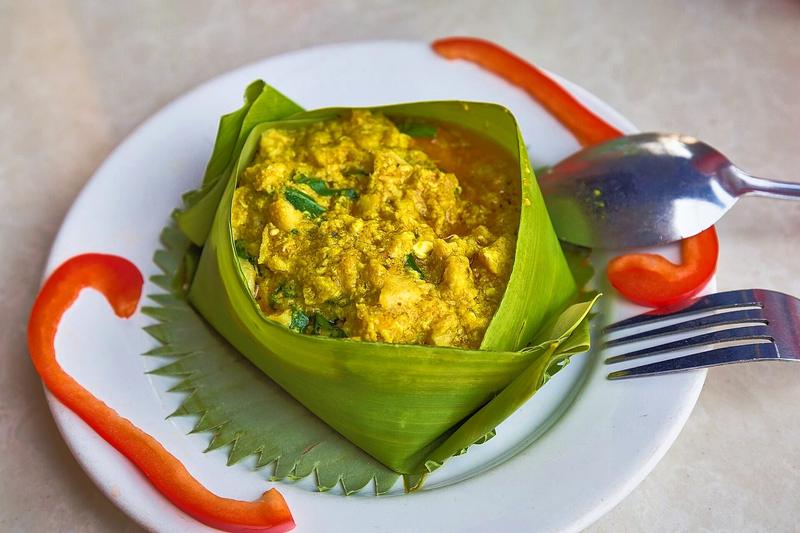 Fish amokThe steamed fish curry in full
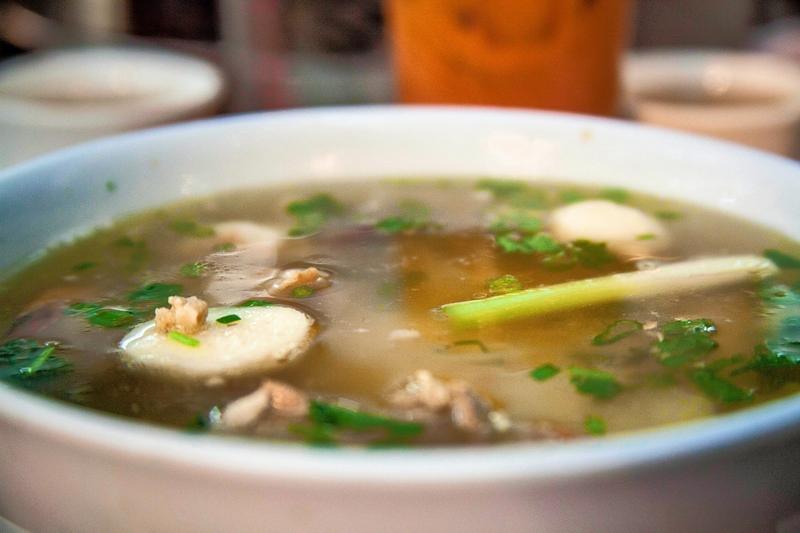 Khmer noodle soupNoodle soup guide
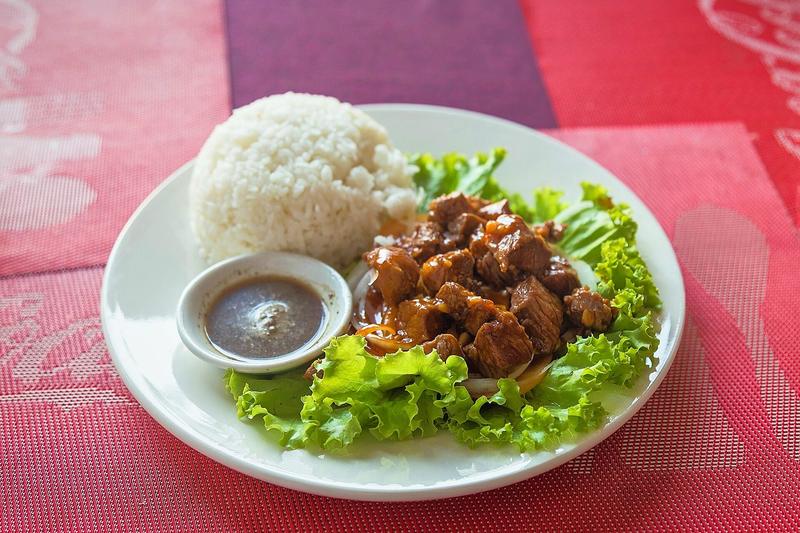 Lok lakAnother Khmer dish guide
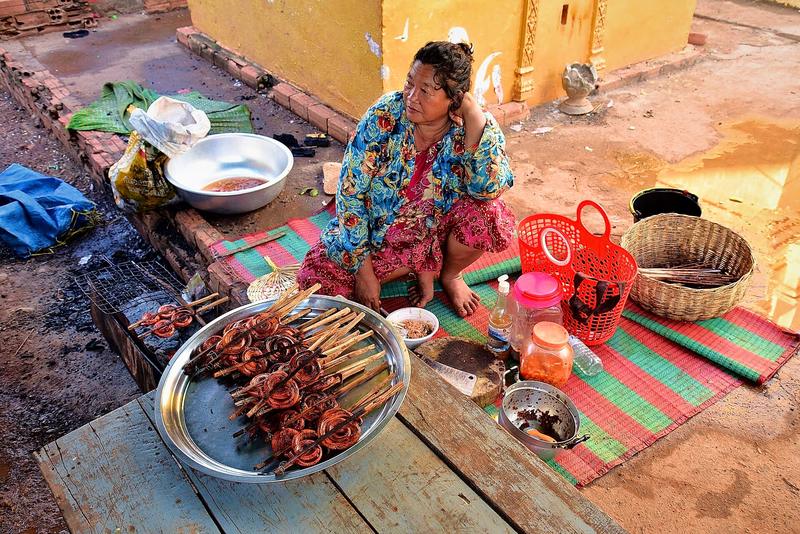 Cambodian street foodStalls and snacks
 Cambodian dessertsWhat ends a meal
 Siem Reap foodCity food guide for Siem Reap
 Phnom Penh foodCity food guide for Phnom Penh
 Cambodian foodThe hub for Khmer dishes and flavours
Num banh chok →The Khmer rice noodle dish with a fish-based gravy
Cambodian curry FAQ
Dishes
What is Cambodian curry?
It is a loose label rather than one dish. Fish amok is a steamed fish curry, and samlor covers a wide variety of Cambodian stews and curries. Curries, stir-fried vegetables, rice, noodles and soups are staples of the Khmer diet.
Is fish amok a curry?
Yes. Fish amok is a steamed fish curry with a mousse-like consistency, made with a freshly made yellow or green kroeung mixed with coconut cream.
What is samlor kako?
A traditional soup, listed by Cambodia's tourism ministry as one of the national dishes. It contains green kroeung, prahok, roasted ground rice, catfish, pork or chicken, vegetables, fruits and herbs, and the name translates as stirring soup.
What is Khmer sour soup?
Samlor machu is a Khmer term for a category of sour soups. One guide says the sour taste comes from tamarind, and calls it the counterpart of Southern Vietnam's canh chua.
Is there a Khmer red curry?
One guide says some num banh chok has a red curry base made of red kroeung and coconut milk. Red kroeung gets its deep colour from dehydrated chili pods that add very little flavour.
Pastes and seasoning
What is kroeung?
Kroeung is a word for several spice and herb pastes that form the base flavours of many Khmer dishes. The most common ingredients include lemongrass, makrut lime zest and leaves, galangal and turmeric.
What is prahok, and do I have to eat it?
Prahok is a salted, fermented fish paste, usually made from mudfish, used as a seasoning or condiment. One guide says it flavours almost every Khmer dish, mixed with rice or served as a dipping sauce, so it is worth asking whether a dish contains it.
Diets and safety
Can I order a Khmer curry without fish or meat?
Samlor kako can be made vegetarian by replacing fish and meat with coconut cream and vegetable stock, according to the tourism ministry. Many restaurants cook vegetarian or vegan dishes in the same pans and utensils as meat dishes, so ask.
What is Saraman curry?
One guide lists Saraman curry among Cham Muslim specialties and relates it to Thailand's Massaman curry.
How should I eat soups and curries safely?
The CDC says lukewarm food lets food-poisoning germs grow, so prefer food served steaming hot.
Sources (19), checked November 2026
- fao.org officialFAO: Kampot pepper production has stabilised at about 100 tonnes since
- tourismcambodia.com officialCambodia's tourism ministry site lists samlor kako as one of the natio; Samlor kako can be made vegetarian by replacing fish and meat with coc
- wwwnc.cdc.gov officialCDC: lukewarm food lets food-poisoning germs grow, so prefer food serv
- friends-international.org operatorMarum sits between Wat Polanka and the Catholic Church at #8A, B in Si
- travelingspoon.com operatorTraveling Spoon countryside class (sample menu with fish/chicken amok)
- cambodianess.com newsThe Kampong Speu palm sugar association has 150 families and 3,600 tre
- 12go.asia guideA food guide lists Feel Good at #79 St 136 in Daun Penh, open daily 7.
- en.wikipedia.org guideIn amok the curry sits in a banana leaf container with great morinda l
- en.wikipedia.org guideWikipedia says there are five common types of kroeung; Saraman curry is a Cham Muslim specialty related to Thailand Massaman
- en.wikipedia.org guidePrahok flavours almost every Khmer dish, mixed with rice or served as ; Samlor covers a wide variety of Cambodian stews and curries and is a s
- en.wikipedia.org guideFish amok is a steamed fish curry with a mousse-like consistency; Amok uses a freshly made yellow or green kroeung mixed with coconut cr
- en.wikipedia.org guideKroeung is a word for several spice/herb pastes forming the base flavo; The most common kroeung ingredients include lemongrass, makrut lime ze
- en.wikipedia.org guideSome num banh chok has a red curry base made of red kroeung and coconu
- en.wikipedia.org guidePrahok is a salted, fermented fish paste (usually mudfish) used as a s; Prahok fermentation typically lasts about one month
- en.wikipedia.org guideSamlor kako is a traditional soup considered one of Cambodia's nationa; Samlor kako contains green kroeung, prahok, roasted ground rice, catfi
- en.wikipedia.org guideThe sour taste of samlor machu comes from tamarind; Samlor machu is a Khmer term for a category of sour soups
- en.wikivoyage.org guideWikivoyage says Siem Reap street food vendors may give a 20-30% discou
- food.nomadicboys.com guideKroeung is to Cambodian cuisine what Thai curry paste is to Thai food
- movetocambodia.com guideMany restaurants cook vegetarian or vegan dishes in the same pans and ; For food kept apart from meat, the guide suggests specialist vegetaria