Tuk-tuk, taxi or car
- About 1.5 hours
- Return trip
A guide lists all three for the run out from Phnom Penh. Agree the price, the waiting time and the return before you set off.
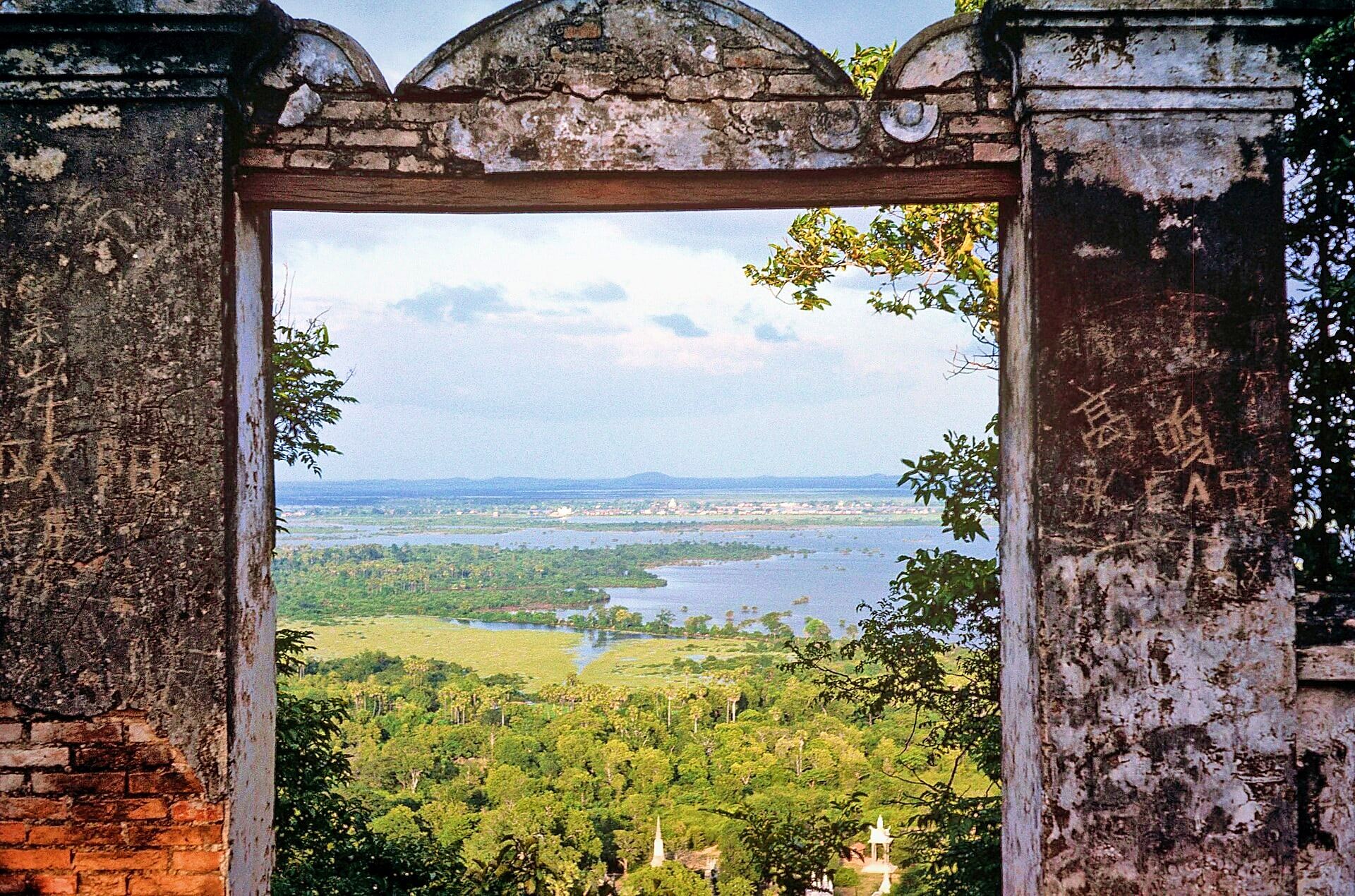
Home › Phnom Penh › Day trips › Oudong
Former royal capital, north-west of Phnom Penh
Go for the royal stupas and the story, not for one temple. About 35 to 40 km out; allow an hour or two on the hill.
By Laura Brennan · updated
Why go
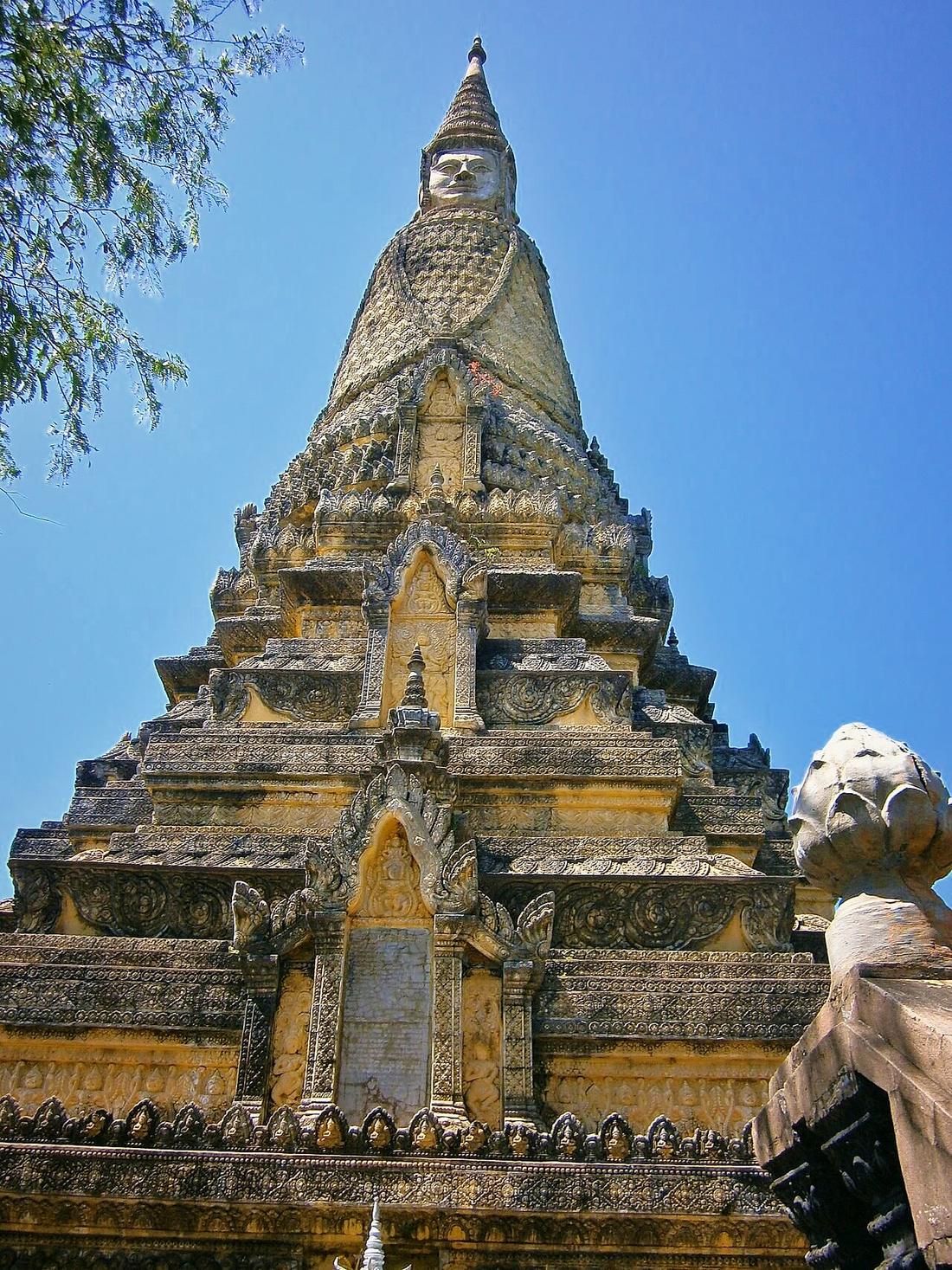
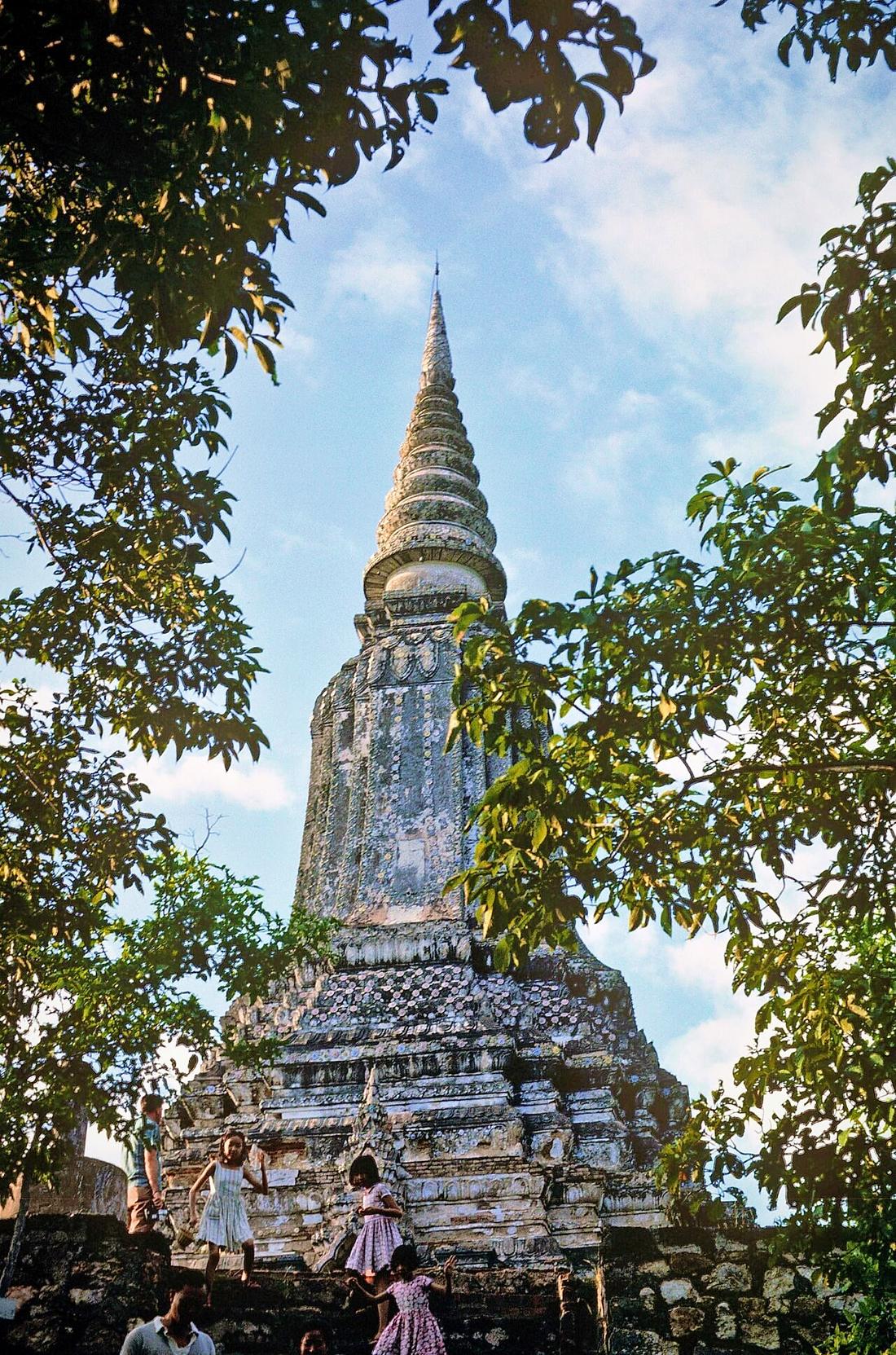
A royal necropolis tops a split ridge: 16 stupas of differing styles hold the remains of kings and royalty.
The stupasHow long
An hour or two on the hill, one guide suggests, plus the drive out and back.
Getting thereThe climb
That is one operator's count to the northern shrine. There is no lift and no road to the summit. Skip it if stairs in the heat are a problem.
Pacing the climbCost
Entry and parking costs are set out in the entry and dress section below.
Entry and dressEarly
Leave Phnom Penh on National Road 5 before the heat builds.
On the hill
Stupas first, then the stairs to the northern shrine if you have the legs.
Before heading back
Walk back down, then take the road back to the city.
Swipe or use the arrows.
 1/5
 2/5
 3/5
 4/5
 5/5
About 35 to 40 km north-west of the city, depending on the source, on National Road 5 towards Kampong Chhnang. One guide gives about 1.5 hours from Phnom Penh by tuk-tuk, taxi or private car.
A guide lists all three for the run out from Phnom Penh. Agree the price, the waiting time and the return before you set off.
The route heads out towards Kampong Chhnang. Oudong sits near the border between Kandal and Kampong Chhnang provinces.
One guide gives ticketed parking at the foot of the mountain, with BBQ stalls lining the base.
Heat and the climb
Go early, ideally between November and February. One guide says the stupas are a short flight of stairs up; one operator counts 509 steps to the northern shrine.
One guide calls November to February the cooler, drier months for a visit.
A short flight of stairs leads to the stupas: enough for the royal tombs if your knees or the heat say stop.
One operator's count to Sanchak Mony Chedai. No lift and no vehicle access to the summit, so pace yourself.
Planning around rain and heat? See Phnom Penh weather month by month.
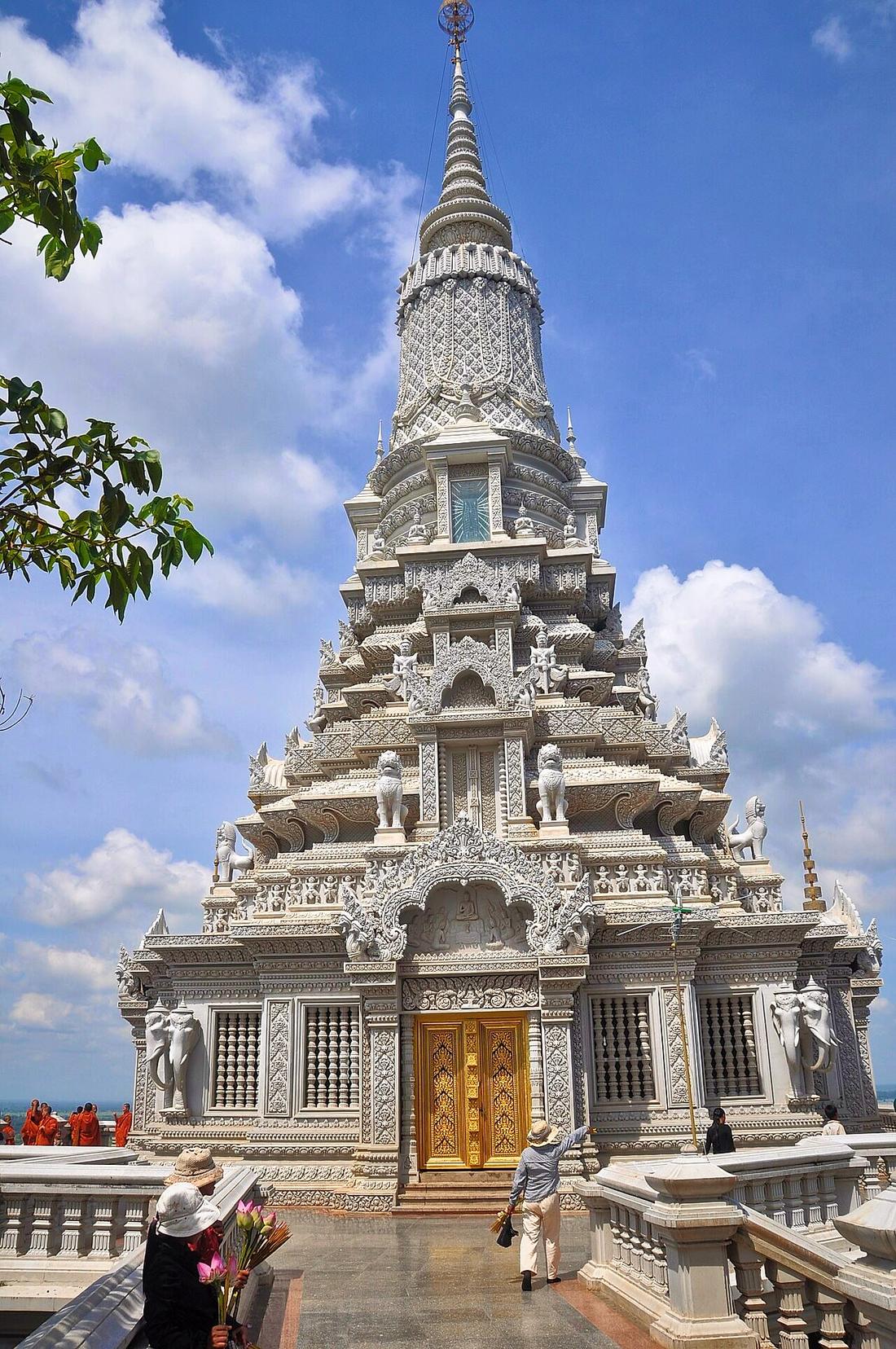
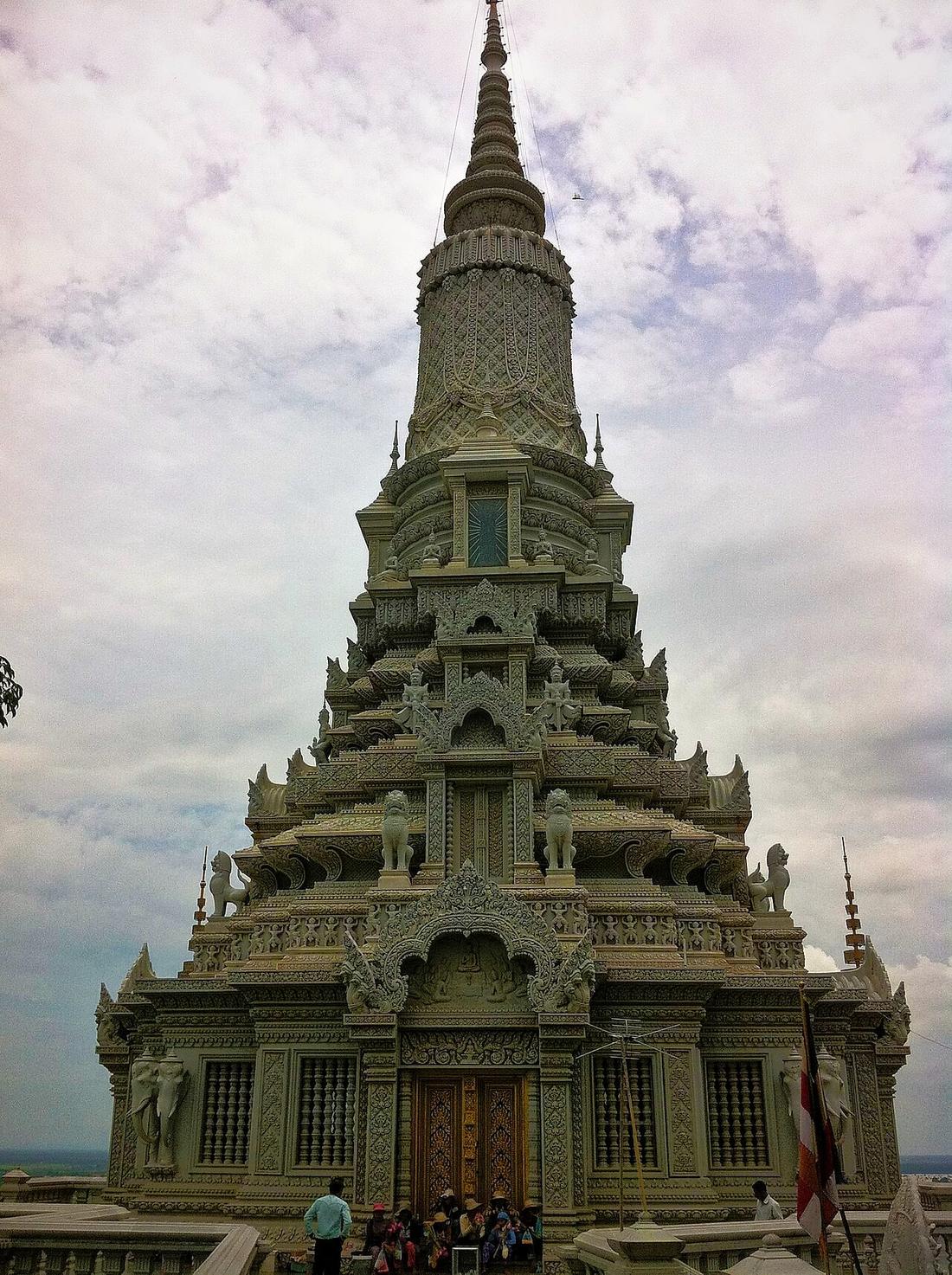
The ridge is a monumental royal necropolis: 16 stupas of differing styles, per Hello Angkor and another guide, plus shrines, a mosque and a memorial. One guide says a short flight of stairs leads to the stupas; one operator counts 509 steps to the northern shrine.
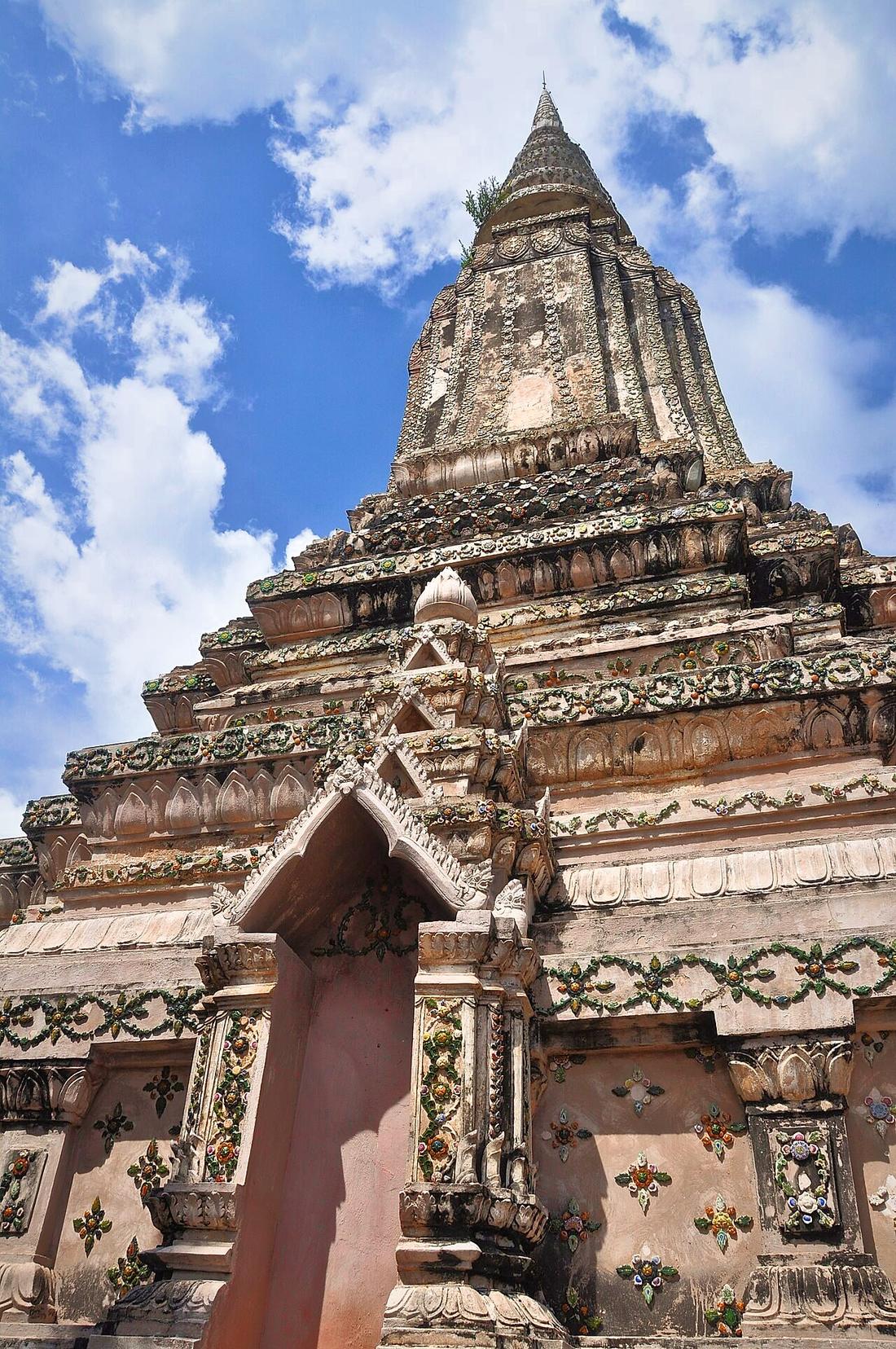
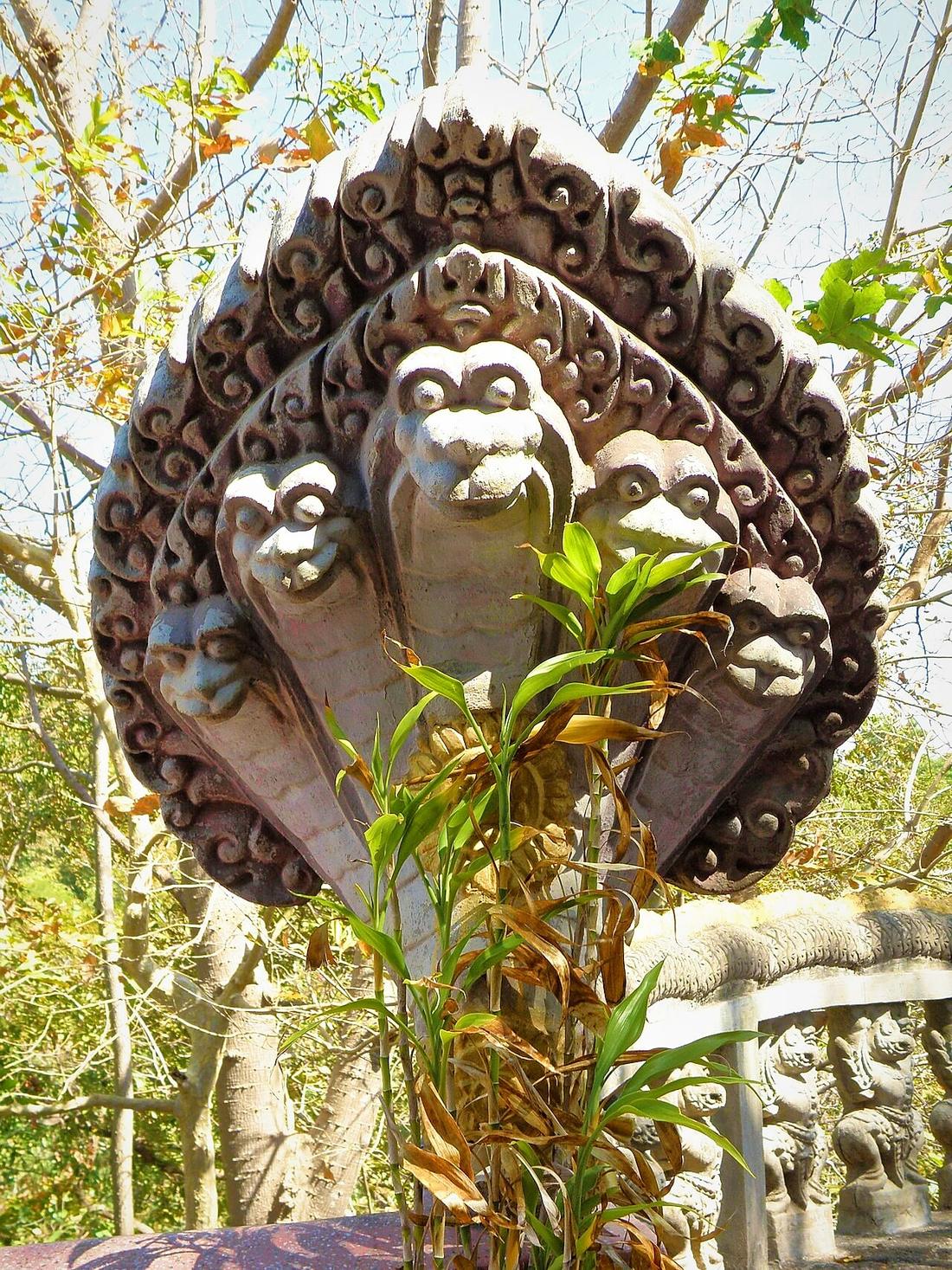
Two odd details at Oudong. Wikipedia says the Buddha at Oudong faces north rather than the traditional east, and nearby a damaged sandstone Buddha keeps only its lap and right torso. Preah Shakyamuni Chedi is dedicated to King Norodom Sihanouk; one guide says tens of thousands of people lined the roads for its relic procession. The mountain is considered sacred and is reported to hold relics from ancient settlements.
Usually no ticket, a small parking fee, and covered shoulders and knees.
No formal ticket, usually
Small donations are appreciated. One guide gives 2,000 riel for ticketed parking at the base.
Shoulders and knees covered
The hill holds the remains of kings and active shrines: dress as you would for a pagoda in the city.
Do
Expect
For around 250 years (sources say almost, or more than) Oudong was the seat of Cambodia's kings, until King Norodom moved his court to Phnom Penh.
That royal past is why the hill matters, and why it suffered. One guide says the Khmer Rouge targeted Oudong for its royal and religious symbolism, and describes the 1974 capture of the town as a precursor to the 1975 evacuation of Phnom Penh.
King Srei Soryapor founded it, per Wikipedia, after Longvek was abandoned in 1594.
The court moved from nearby Lovek; the city was formally called Oudong Meanchey. Several kings, Norodom among them, were crowned here.
Built canals, terraces, bridges and hundreds of pagodas around Oudong.
A guide cites the explorer Henri Mouhot's account for a population of about 12,000.
Norodom took his court to Phnom Penh under French influence; Wikipedia ends the period in 1863, so sources differ.
The Khmer Rouge took Oudong in March 1974, lost it in August 1974, and damaged it extensively in 1977.
Added to the UNESCO Tentative List on 1 September 1992; renewed on 27 March 2020.
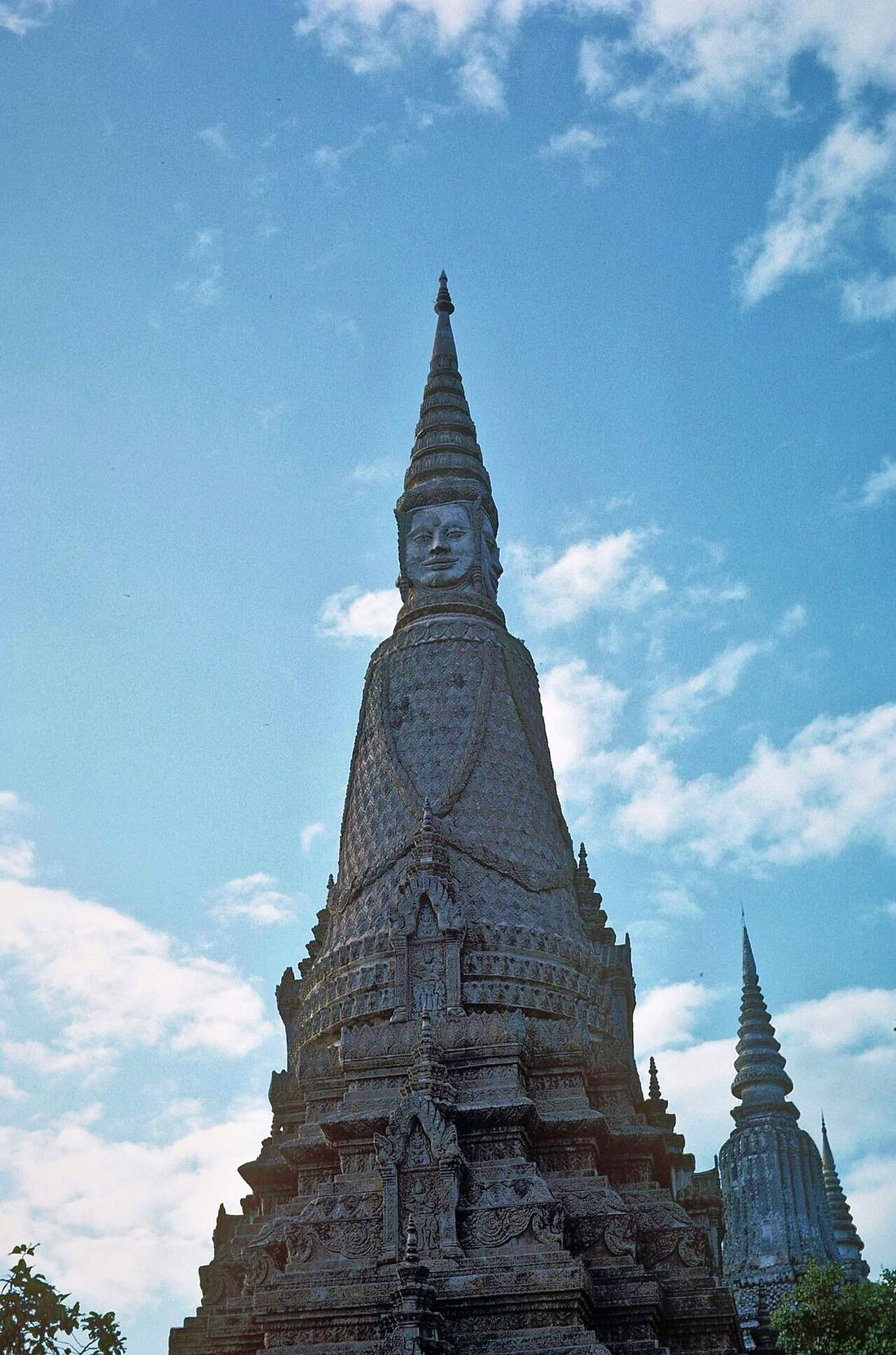
The name probably comes from the Sanskrit uttunga, meaning tall, and the mountain is also known as Phnom Preah Reach Troap. Wikipedia calls Oudong a former town of the post-Angkorian period.
One operator describes the 1866 move as a political requirement under French hegemony; one guide says the French persuaded Norodom that Phnom Penh was safer from Siam.
Another Phnom Penh sight that shares the royal history is the Royal Palace; or pick another trip south or across the river.
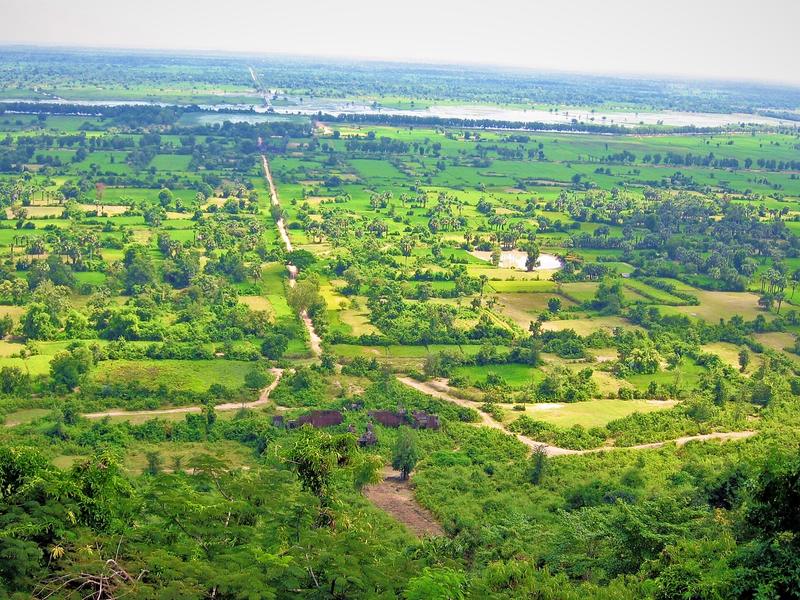 Day trips from Phnom PenhHills, temples and river islands within reach of the city
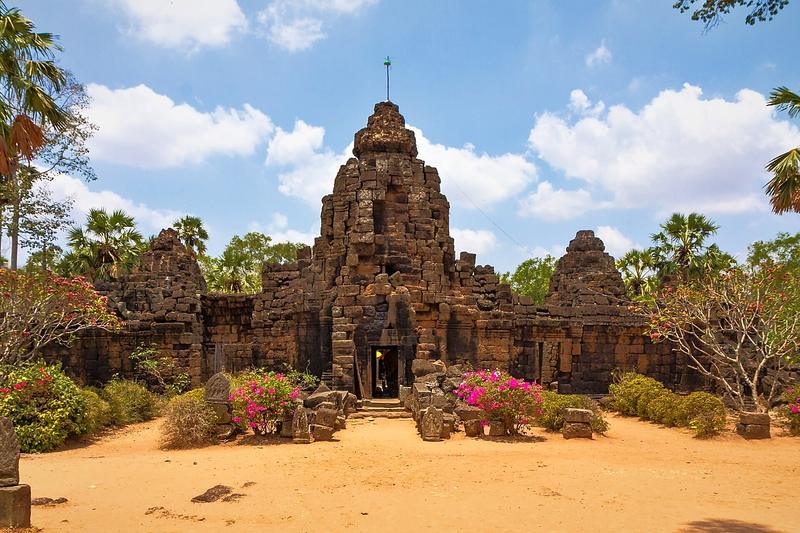 Tonle BatiOne guide: about 1 to 1.5 hours by road
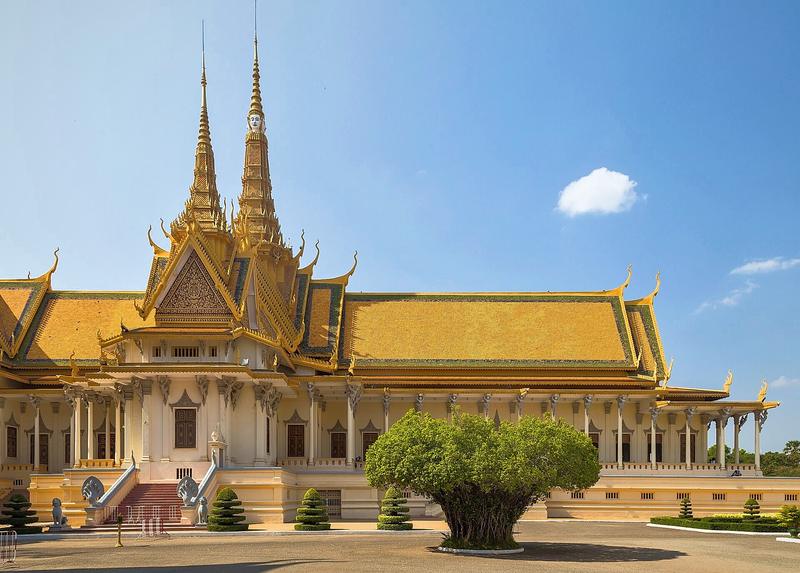 Royal Palace Phnom PenhThe National Museum, built 1917-20, stands just north
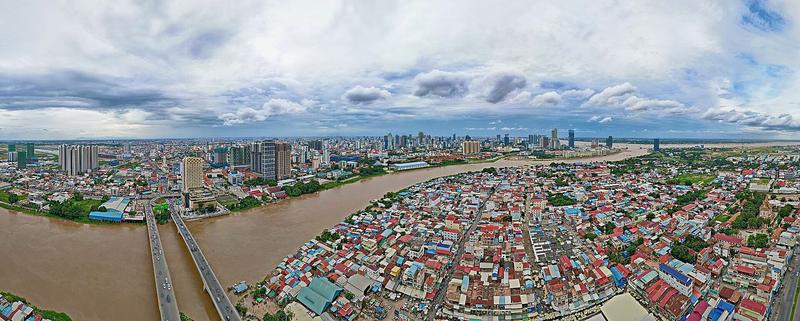 Phnom Penh weatherHot season 11 March to 31 May
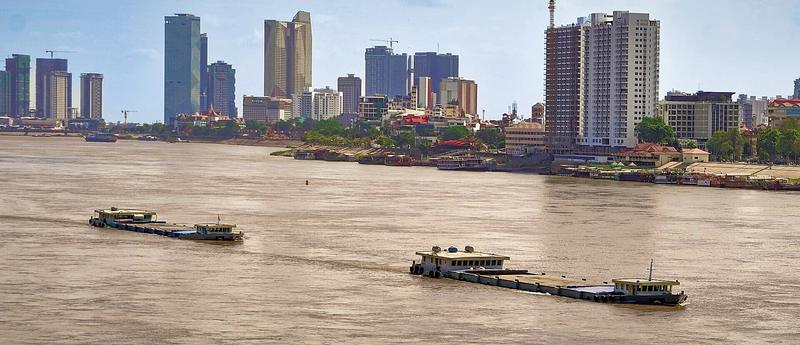 Phnom PenhA city of 2,129,371 people in 2019
Kien Svay →A riverside spot south of the capital
About 35 to 40 km, depending on the source, north-west of the city on National Road 5. One guide gives about 1.5 hours by tuk-tuk, taxi or private car.
Sources differ. Wikipedia places it in Kampong Speu Province, while other guides, Hello Angkor among them, say Kandal. It lies near the border between Kandal and Kampong Chhnang provinces.
One guide suggests an hour or two to explore the hill. Add the drive both ways and it fills a morning or a long half-day.
One tour operator counts 509 steps to the northern shrine, Sanchak Mony Chedai. A short flight of stairs reaches the stupas, and there is no lift or road to the summit.
There is usually no formal ticket; small donations are appreciated. One guide gives 2,000 riel for ticketed parking at the base (checked November 2026).
Cover shoulders and knees. The hill is a royal burial ground and a working religious site.
It probably comes from the Sanskrit word uttunga, meaning tall. The mountain is also known as Phnom Preah Reach Troap.
One guide calls November to February the cooler, drier months for Oudong.
Not always. One guide notes that the Buddha statues inside Preah Shakyamuni Chedi are not always open to visitors (checked November 2026).