Krama
A rectangular cotton or silk cloth with grid-pattern motifs. It works as scarf, belt or blanket, and UNESCO listed it in 2024.
Home › Cambodia travel tips › Souvenirs
Shopping guide · cloth, silk, pepper
Buy a krama, silk or Kampot pepper from a named workshop or a registered shop, and leave antiquities and temple stones where they are. A tour operator says buying genuine antiquities is illegal, and that stones from Angkor are not souvenirs.
By Laura Brennan · updated
Start with cloth and pepper. Each has a recognised name behind it: a UNESCO listing for the krama, an EU label for Kampot pepper.
A rectangular cotton or silk cloth with grid-pattern motifs. It works as scarf, belt or blanket, and UNESCO listed it in 2024.
One guide calls silk weaving an important part of Cambodia's cultural past, with golden thread once worn by the country's elite.
One guide says it is sold green, black, white and red, all from one plant. The EU registers it as a Protected Geographical Indication.
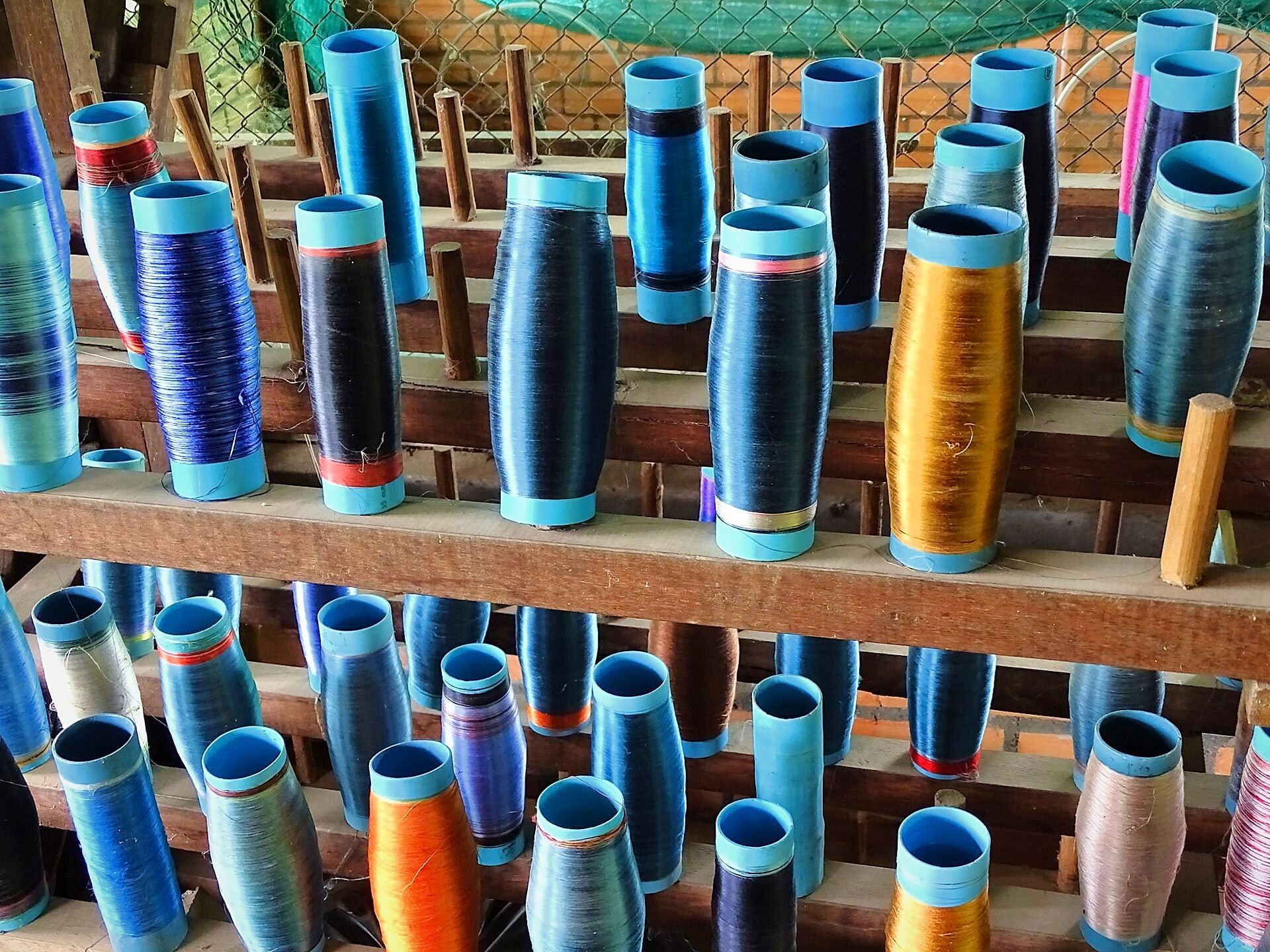
One guide says hol is the Khmer word for ikat: groups of threads are bound and tied, then dip-dyed before weaving.
One guide lists stone and wood carving, lacquering and silver plating among the crafts of Artisans Angkor.
One guide calls it a traditional dress. The sampot chang kben is a unisex wrap worn by dancers, royalty and at weddings.
A krama is an everyday cloth with a heritage listing. Locals use it as scarf, belt, blanket, bandana, lower garment, decorative cloth and child's hammock.
Women predominantly produce it, according to UNESCO's listing. One guide says it is woven by hand on traditional looms called Kei or Kei Dombanh, and that the cloth may date back to the Pre-Angkor era, between the 1st and 5th centuries CE.
Check the colour. One guide says kramas traditionally come in red or blue, and that many Khmer Rouge fighters wore red and white gingham during Pol Pot's rule. Some Cambodians decline that pattern in favour of blue and white, so for a gift, look at blue and white first.
Ask who wove it and where the thread came from. The facts below show why both questions matter.
Thread source
One guide says Cambodia imports up to 95% of its raw silk from Vietnam (as stated by the source). A Cambodian weaver can still use imported thread, so ask.
Golden silk
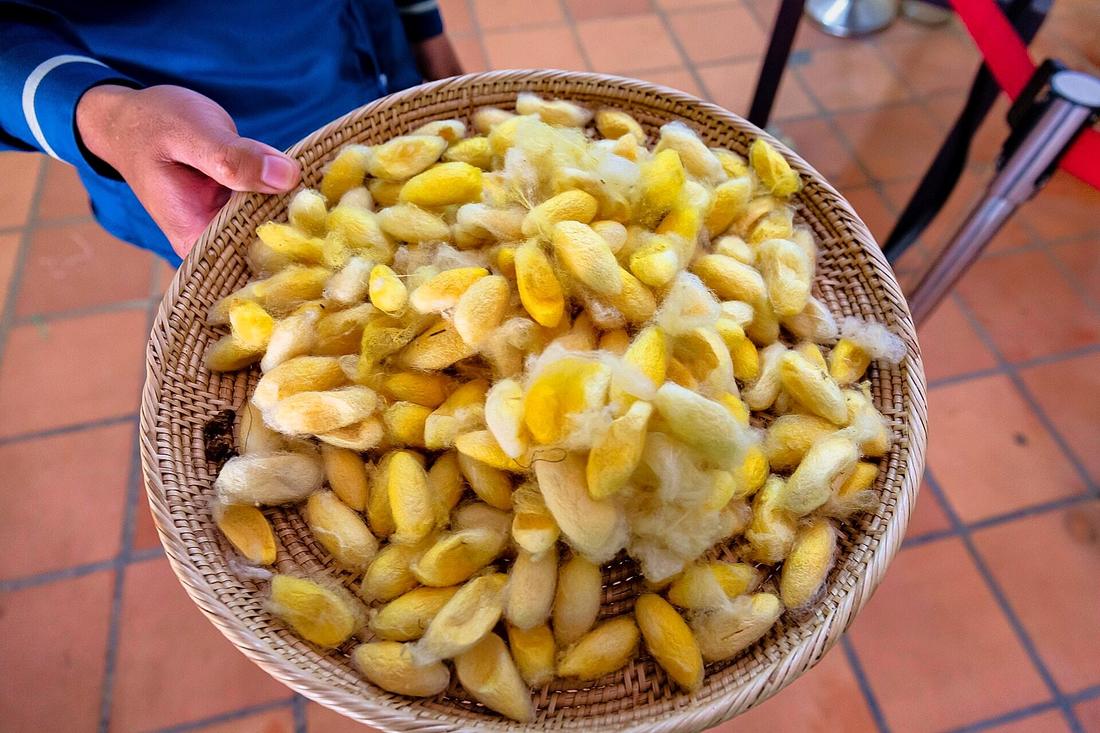
One guide says golden silkworms yield 300-400 m of raw silk per cocoon, against 1,400 m for white.
Temple cloth
One guide describes large pictorial silk textiles hung in temples, showing Jataka tales. Village women originally wove them as offerings of merit.
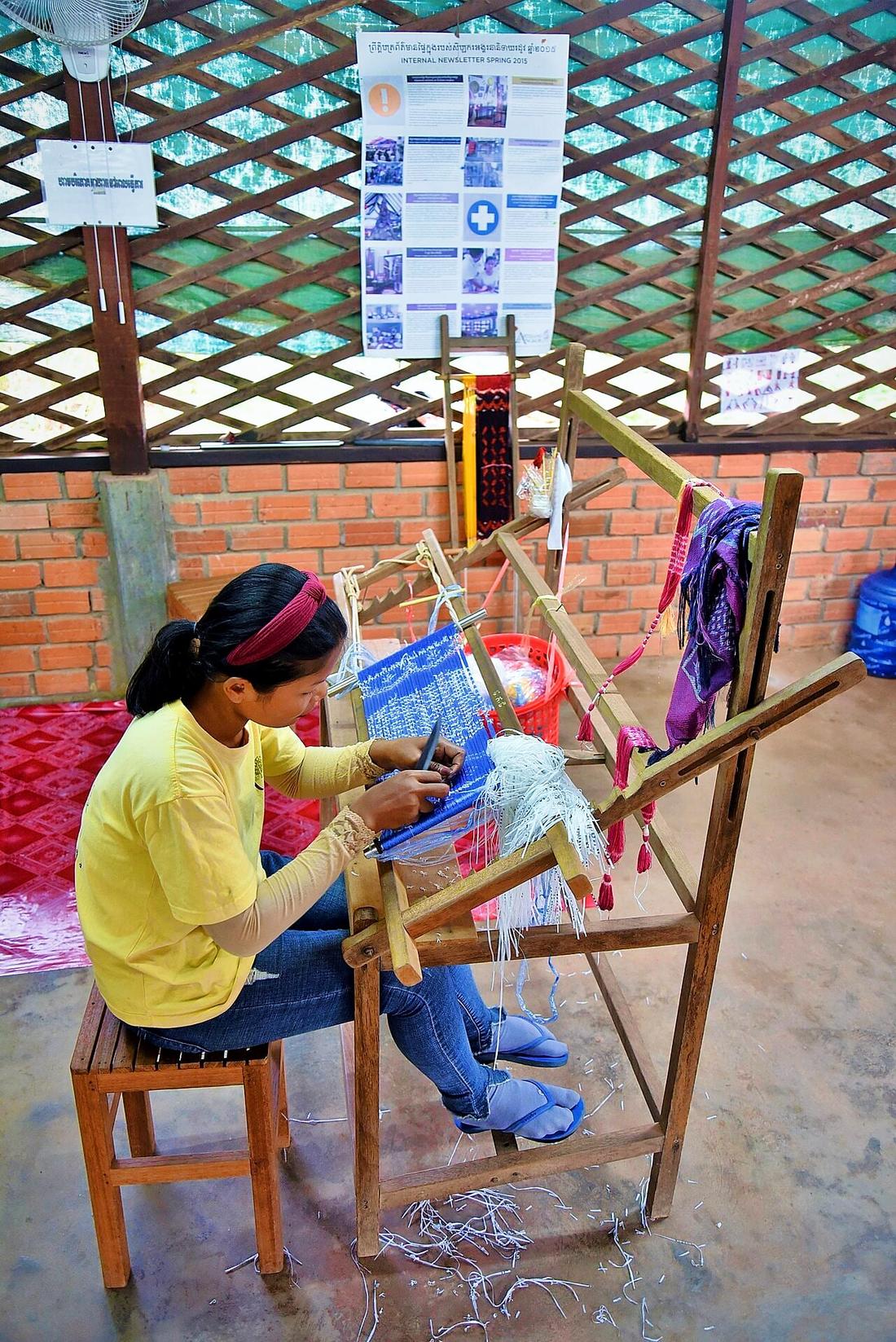
Angkor Silk Farm runs guided tours daily, 07:30-17:30. The tour covers mulberry growing, the silkworm lifecycle and weaving, so it shows where a finished scarf starts.
The tour covers growing the mulberry that feeds the silkworms. The farm is in Puok District, on National Road 6.
The tour also covers the lifecycle. Separately, one guide gives the golden silkworm lifecycle as 42 days, with golden cocoons collected after 10-12 days, and says white silkworms change colour to gold when ready to spin their cocoon.
The tour covers weaving too, the step that turns thread into cloth.
Background from one guide, not part of the tour listing.
Dyeing
Hol is a dyeing technique used on golden silk. Groups of threads are bound and tied before being dip-dyed, so the pattern is set into the yarn before weaving.
Cloth
One guide describes sampot hol as a weft chong kiet silk with multi-coloured designs.
Dress
One guide says the sampot dates back to the Funan era. Golden silkworms are thought to have come from northern India in Angkorian times.
One guide gives a museum hol pidan as silk, twill weave, weft ikat, 84 x 186 cm.
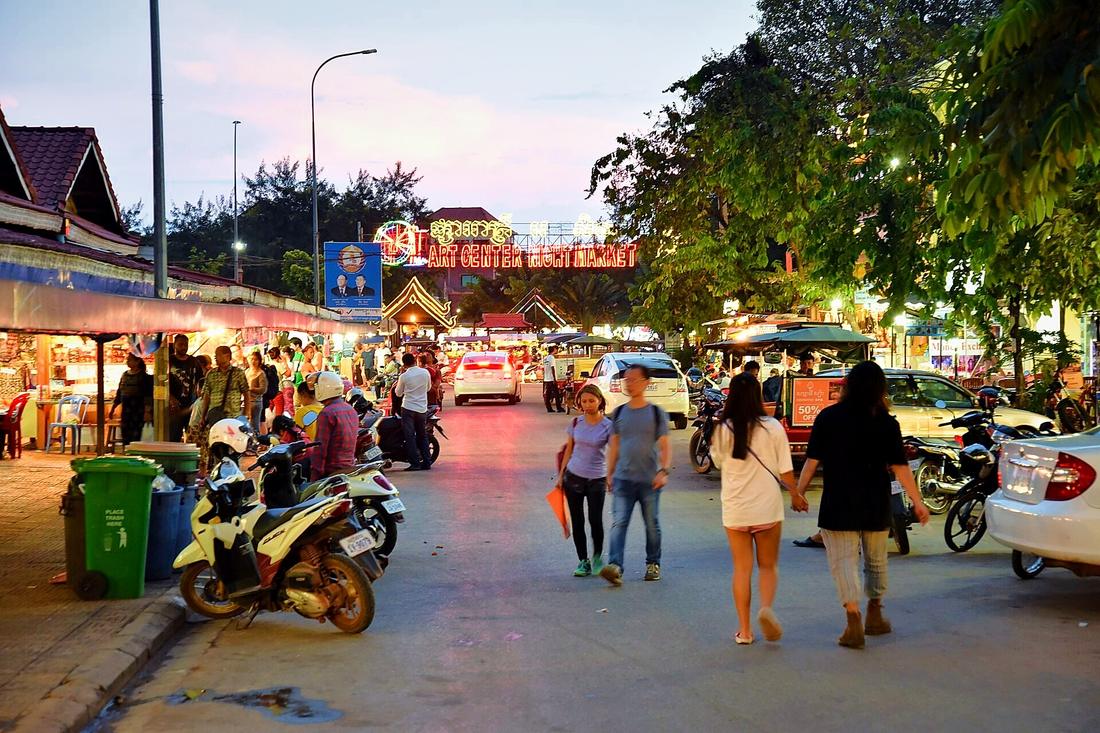
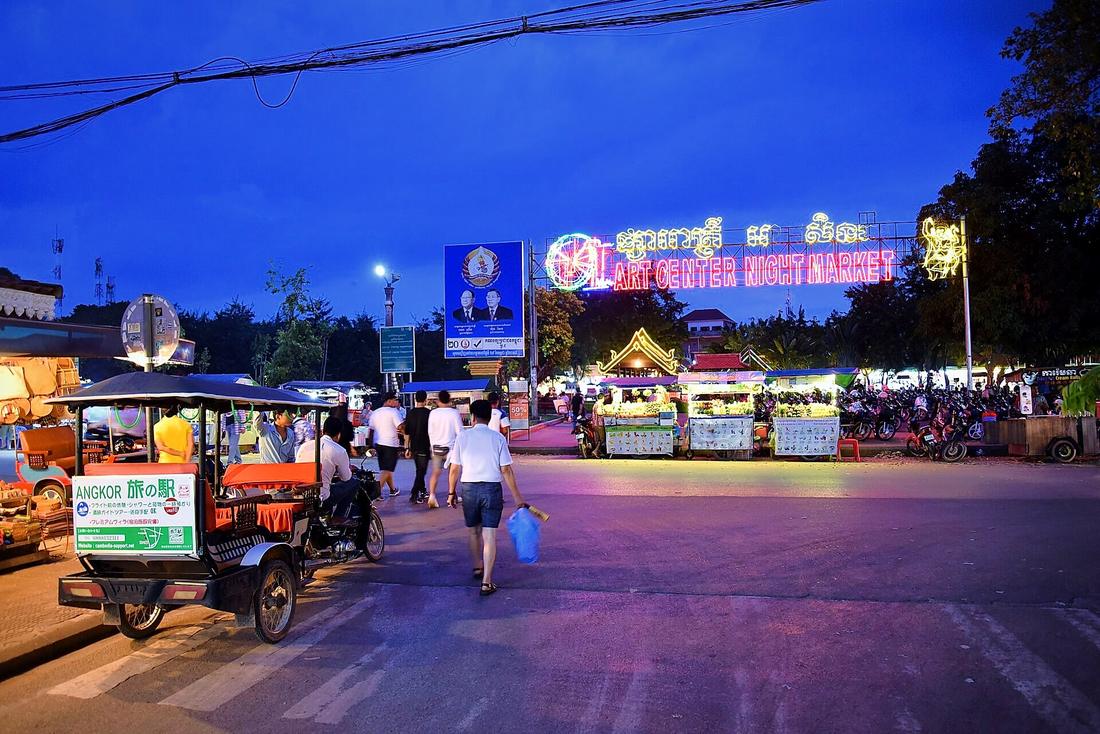
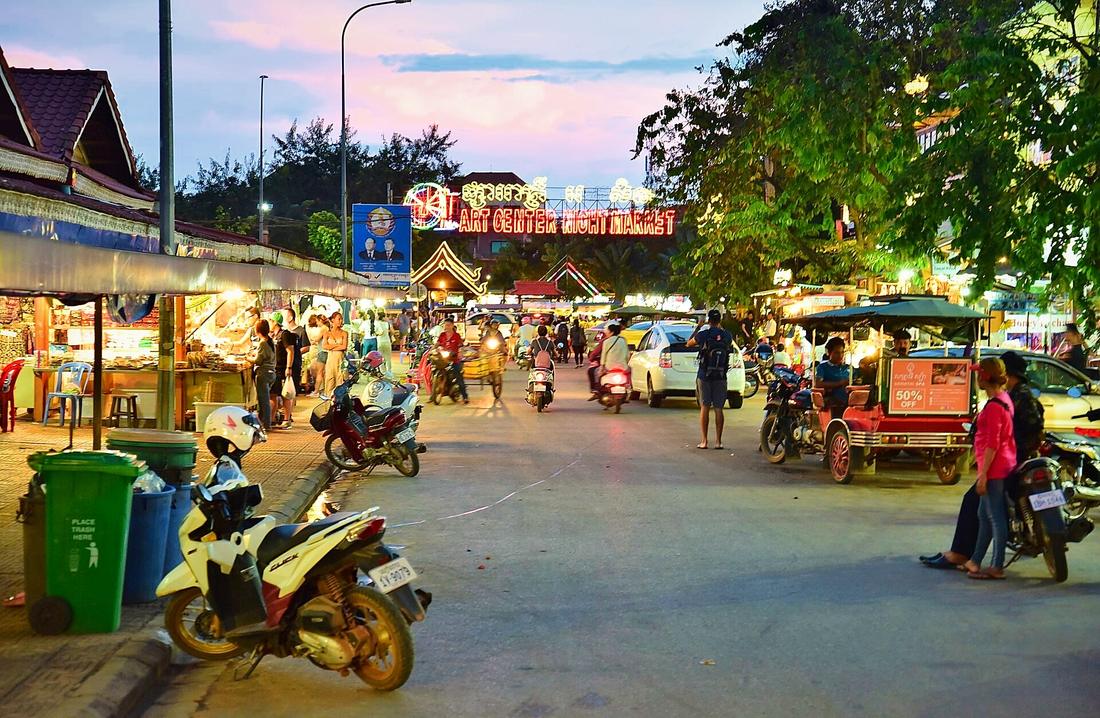
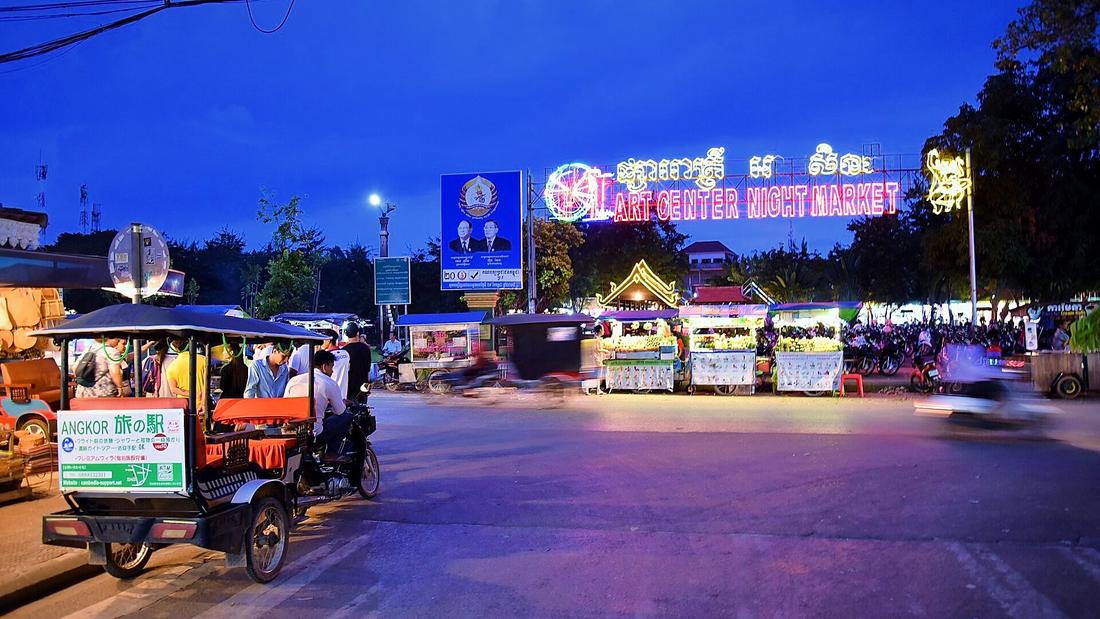
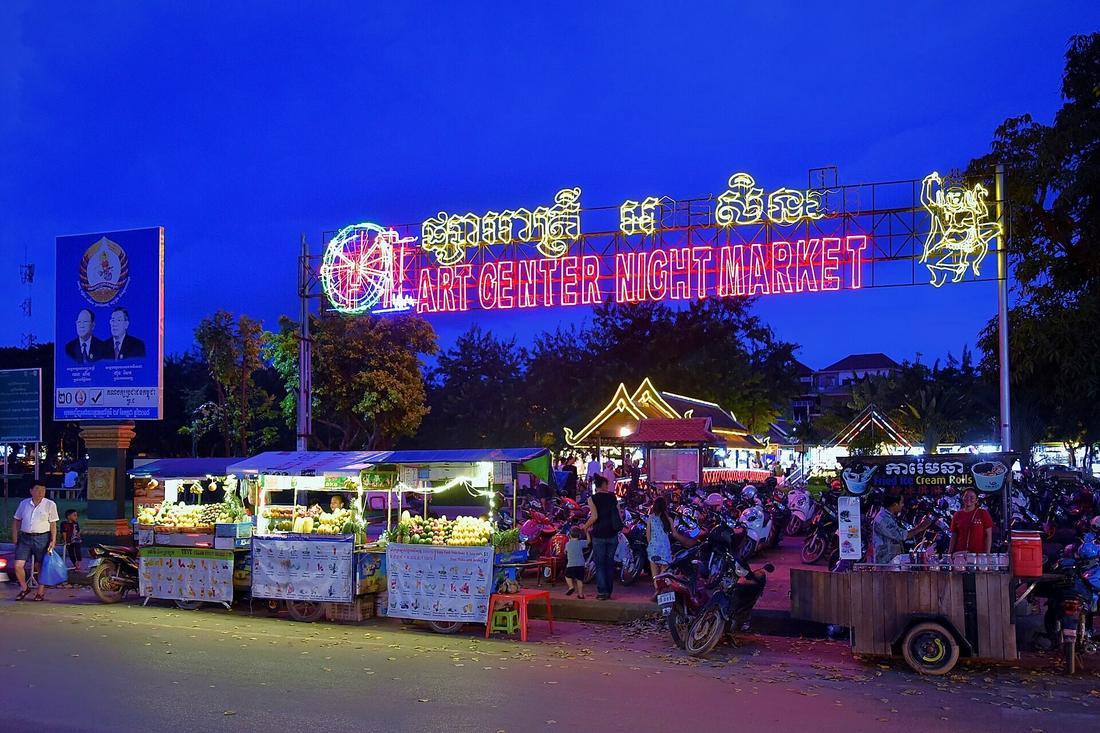
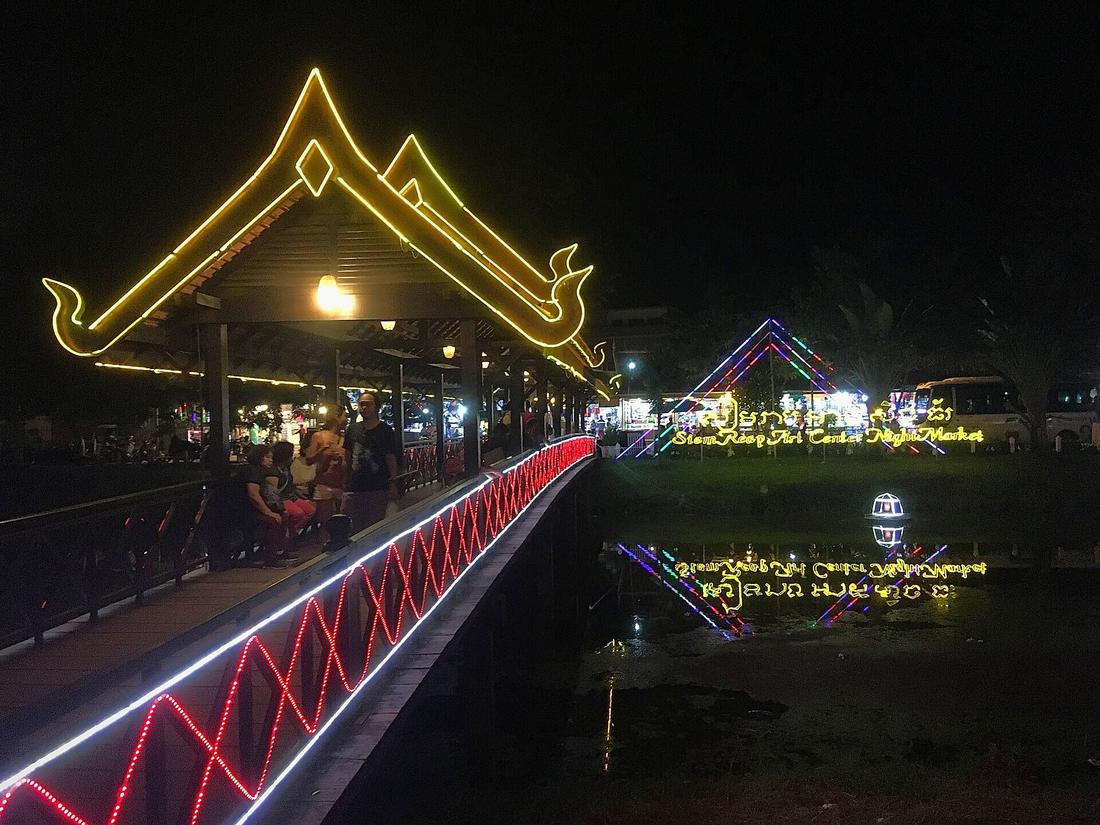
Stalls at the Siem Reap Art Center Night Market. Swipe or use the arrows.
 1/6
 2/6
 3/6
 4/6
 5/6
 6/6
A tour operator advises registered local shops or traditional market vendors for all three. These are the named places and labels to look for.
Silk
On National Road 6, Puok District, Siem Reap (Artisans Angkor). Daily guided tours 07:30-17:30 cover mulberry growing, the silkworm lifecycle and weaving.
Carvings and crafts
One guide says seven shops sell handmade items in Siem Reap centre (article figure, check on site).
Pepper
Choose bags showing both. The EU recognised Kampot pepper as a geographical indication in February 2016.
One guide calls Artisans Angkor a Cambodian social business that grew from an educational project run under the Ministry of Education (CEFP). In 2003, with Agence Francaise de Developpement support, it became an autonomous company. Profits are wholly reinvested in training programmes, according to the same guide.
The EU registered it as a Protected Geographical Indication under the name Mrech Kampot / Poivre de Kampot. One guide says it has held that status since 2016.
A tour operator advises against antiquities and temple stones. For other art objects, ask the ministry before you export.
Skip antiquities. A tour operator says buying genuine antiquities or historical relics is illegal.
Leave temple stones. A tour operator says never to take stones from Angkor temples as souvenirs.
Hands off carvings. Angkor Enterprise strictly prohibits touching carvings, sitting or leaning on fragile structures, taking artifacts and graffiti.
Ask about export. For personal export of art objects, contact the Department of Antiquities of the Ministry of Culture and Fine Arts.
Keep invoices. The ministry's export-permit page lists purchase invoices among the required documents.
Shipping stock? Trader permits for newly made art objects go through the customs National Single Window.
Paying for souvenirs, temple conduct and a few Khmer words all help on a shopping day.
 Cambodia travel tipsPractical guides for planning a Cambodia trip
 Cambodia currencyCash, cards and US dollars
 Cambodian cultureTemple dress and behaviour
Cambodia SIM card →Mobile data options for visitors
Khmer language →Useful Khmer words and phrases
Cambodia visa →Entry rules for visitors
Is Cambodia safe? →Safety and emergency basics
Cloth and pepper have the clearest pedigree: a krama, which UNESCO listed in 2024, silk from a named workshop, and Kampot pepper in a bag with the PGI label and the producer's identification number.
Angkor Silk Farm (Artisans Angkor) is on National Road 6, Puok District, Siem Reap, with daily guided tours 07:30-17:30. One tour operator also advises registered local shops or traditional market vendors for silk, carvings and Kampot pepper.
Choose bags showing the PGI label and the producer's identification number. The EU registered the name Mrech Kampot / Poivre de Kampot as a Protected Geographical Indication.
Not always. One guide says Cambodia imports up to 95% of its raw silk from Vietnam (as stated by the source), so ask a seller where the thread came from.
One guide says hol is the Khmer word for ikat, a method of resist-dyeing yarns before weaving. Groups of threads are bound and tied before being dip-dyed.
One guide says many Khmer Rouge fighters wore red and white gingham kramas during Pol Pot's rule, and some Cambodians decline that pattern in favour of blue and white.
One guide gives the golden silkworm lifecycle as 42 days, with golden cocoons collected after 10-12 days.
No. One tour operator says buying genuine antiquities or historical relics is illegal, and never to take stones from Angkor temples as souvenirs.
For personal export of art objects, contact the Department of Antiquities of the Ministry of Culture and Fine Arts. The ministry's export-permit page lists purchase invoices among the required documents.